Off-plan buying asks you to pay for something that does not exist, over several years, to a company you probably have not met.
Dubai's answer to that problem is Law No. 8 of 2007 concerning Escrow Accounts for Real Estate Development, and it is the reason the emirate's off-plan market functions at scale. Understanding it converts off-plan from an act of faith into a checkable proposition.
How Escrow Works
A developer wanting to sell units off-plan must register the project with RERA and open a dedicated escrow account with an accredited bank, supervised by the Dubai Land Department.
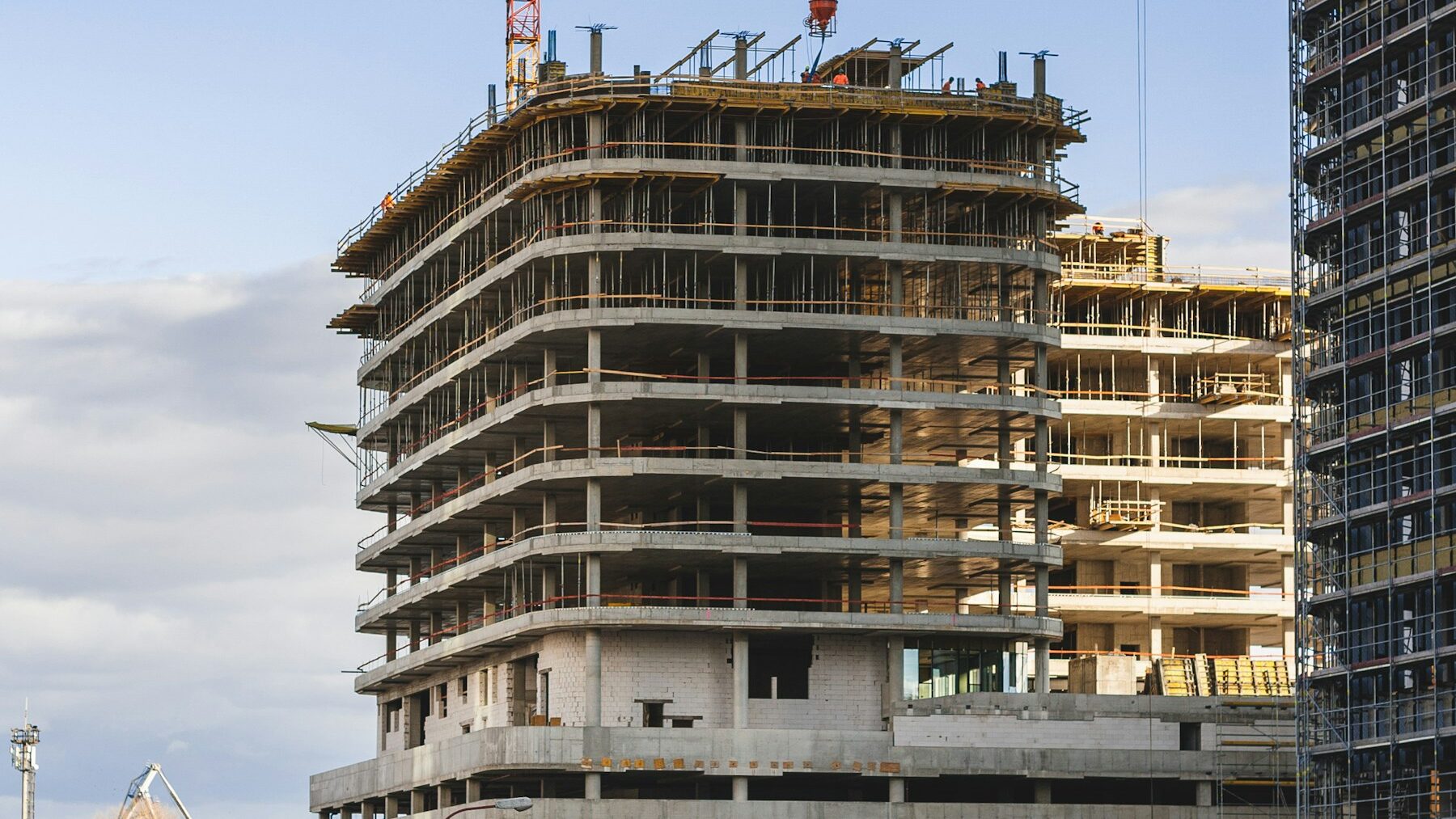
Every dirham a buyer pays goes into that account. The developer cannot simply draw on it. Releases are made against construction progress, certified by an appointed engineer and approved by the account trustee, so the money follows the building rather than the other way round.
The account is project-specific. Funds raised for one tower cannot legally be spent building another, which is the failure mode that destroyed developers in earlier cycles.
What the Developer Must Do Before Selling
RERA's requirements before a project can be marketed and sold off-plan include:
- Ownership of the land, registered in the developer's name.
- Project registration with the Dubai Land Department and a registered escrow account.
- Approved designs and permits from the relevant authorities.
- Financial guarantees, which in practice means either a bank guarantee or a demonstrated level of construction progress before sales can begin, depending on the developer's classification and the project.
This is why the answer to "is this developer trustworthy" begins with "is this project registered", and why an unregistered project being marketed is not an opportunity but a warning.
The 5% Retention
When the project completes, the escrow account does not simply empty. A retention of 5% of the value of the units is held for one year after the units are registered in the buyers' names.
That money exists to cover defects and unfinished obligations in the first year of the building's life. It is one of the more practical parts of the law, and it is why the first year after handover is the right time to raise construction defects rather than the second.
What Escrow Does Not Do
Escrow is a strong protection and it is not a guarantee.
It does not guarantee delivery on time. Escrow controls where the money goes, not how fast the contractor builds.
It does not guarantee quality. Certification is of progress, not of finish.
It does not protect payments made outside the account. A payment made to a developer's general account, to a sales agent personally, or in cash is a payment outside the protection. This matters more than any other sentence in this guide.
Always pay into the project escrow account named in your SPA, and keep the bank confirmation.
The Checks to Run Before You Pay
One. Confirm the project is registered with the Dubai Land Department, using the Dubai REST application or the DLD's project enquiry services.
Two. Confirm the escrow account number in the SPA matches the registered account for that project, and that the account name is the project's, not the developer's trading name.
Three. Confirm the developer holds the land.
Four. Ask for the construction progress percentage and compare it to the payment plan you are being asked to sign.
Five. Get the Oqood registration after payment, as evidence your interest is recorded.
Five checks, none of which require a lawyer, and together they remove most of the risk that makes people nervous about off-plan.

The Short Version
Escrow is the reason off-plan in Dubai is a regulated product rather than a leap of faith, and it only works if you use it. Verify the project registration, pay into the named escrow account and nowhere else, keep the confirmations, get your Oqood certificate, and raise defects inside the first year while the retention is still held.
This is general information about Dubai real estate regulation, not legal advice. Requirements and procedures change. Confirm current rules with the Dubai Land Department or a qualified UAE lawyer before relying on them.
Frequently Asked Questions
01What is an escrow account in Dubai real estate?
It is a project-specific bank account, required by Law No. 8 of 2007 and supervised by the Dubai Land Department, into which all buyer payments for an off-plan project must be deposited and from which the developer can draw only against certified construction progress.
02Is an escrow account mandatory for off-plan projects in Dubai?
Yes. A developer cannot legally sell units off-plan without registering the project with RERA and opening a supervised escrow account with an accredited bank.
03What is the 5% retention in Dubai escrow?
After completion, 5% of the value of the units is retained in the escrow account for one year following registration of the units in buyers' names, to cover defects and outstanding obligations.
04Can a developer use escrow money for another project?
No. Escrow funds are ring-fenced to the specific project they were raised for, which is the central protection the law provides.
05What happens if I pay a developer outside the escrow account?
That payment sits outside the statutory protection. Always transfer to the escrow account named in the sale and purchase agreement and retain the bank confirmation.
06How do I check if a Dubai project is registered?
Use the Dubai REST application or the Dubai Land Department's project enquiry services to confirm registration, the escrow account and the project's status before paying anything.