On 19 January 2025 the Dubai Land Department announced that private property owners on Sheikh Zayed Road and in Al Jaddaf could convert their holdings to freehold ownership. Nearly two years later it remains one of the least examined announcements in Dubai property.
Part of the reason is that it affects a small and specific set of owners. The more interesting reason is that the mechanism behind it is considerably harder to pin down than the headline suggests, and the one number that would tell you whether it is working has never been published.
What Was Announced, Precisely
The announcement is narrow and worth stating exactly.
- 457 plots are eligible: 128 along Sheikh Zayed Road and 329 in Al Jaddaf.
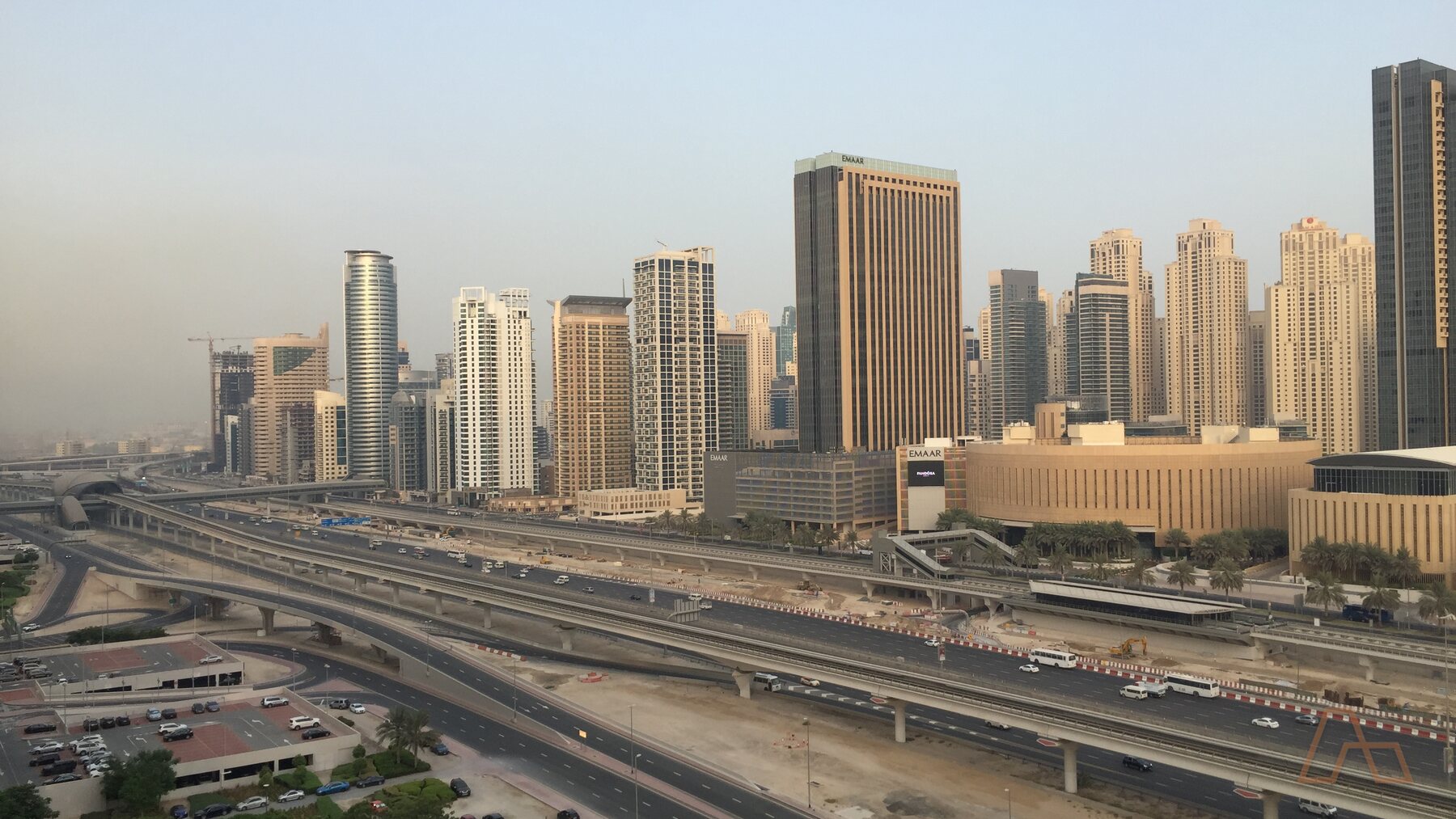
- The Sheikh Zayed Road stretch is defined as running from the Trade Centre Roundabout to the Water Canal.
- It is open to all nationalities.
- The fee is 30% of the property's valuation based on gross floor area.
The process has four steps: confirm eligibility through the Dubai REST smart app, submit an application to the Land Department for land assessment and valuation, settle the conversion fee along with common area fees determined according to RERA guidelines, and receive the map and the freehold title deed.
The announcement was made by His Excellency Eng. Marwan Ahmed bin Ghalita, Director General of the Land Department, and framed as driving growth in Dubai's real estate sector.
The Instrument Nobody Cites
Dubai's freehold regime for non-UAE nationals rests on Regulation No. 3 of 2006, which permits non-UAE nationals to hold freehold without time restriction in respect of the land plots shown on maps issued by the Land Department. The designated areas are a published list. Everything outside them is leasehold, usufruct, or restricted to UAE and GCC nationals.
What the conversion announcement does not do is cite an instrument. It names no decree, no regulation, no amendment and no commencement date for any legal change. It describes a service: check eligibility, apply, be valued, pay, receive a deed.
This archive has documented the same pattern once before, at Expo City, where units are sold freehold with Land Department title deeds and no published decree adding the district to the designated areas could be located. The consistent explanation is that the designated-areas map is maintained administratively by the Land Department, and the map moving is not always accompanied by a separately published legal instrument.
For an owner this is not a reason to doubt the resulting title. The deed is a Land Department deed on the Land Department register, which is what ownership in Dubai consists of. It is a reason to confirm the registration route in writing with a conveyancer before committing to a fee of this size, and to verify the specific plot's eligibility against the Land Department's own record rather than against a press report or a list circulated by an agency.
Why 30% Is a Very Large Cheque
The fee is 30% of the property's valuation based on gross floor area. Three consequences follow, and the second is the one that gets missed.
The base is a valuation you do not set. Step two of the process is an application for land assessment and valuation by the Land Department. You cannot know the number before you apply, which makes this difficult to model in advance.
The base is gross floor area, not plot area. This is the critical detail. On Sheikh Zayed Road, where plots carry high-rise development, gross floor area is a large multiple of the plot footprint. A 30% charge against a GFA-based valuation of a developed tower plot is not an administrative fee in any meaningful sense. It is a transaction on the scale of re-purchasing a substantial share of the asset.
There is a common-area element on top. The process states that common area fees are determined according to RERA guidelines, which is the signal that converting a plot carrying a multi-unit building is not one clean payment.
Does Converting Pay For Itself?
This is the question the coverage skips, and it deserves an honest answer rather than a confident one.
The case for converting is real. Freehold title is worth more than a leasehold interest: a wider buyer pool spanning all nationalities, no term running down, cleaner mortgageability, and a cleaner exit. On Sheikh Zayed Road, a corridor with no new land to allocate, that premium is plausibly significant.
The case against is arithmetic. For conversion to add value, the freehold premium over the remaining leasehold interest has to exceed 30% of assessed value, plus the common-area apportionment, plus the carrying cost of the capital for however long it takes the premium to be realised in a sale.
Two observations that follow from that, both uncomfortable.
A regulator setting a conversion price has every reason to set it near the expected uplift rather than well below it. A 30% charge is consistent with a view that freehold is worth roughly that much more, which implies the trade is close to neutral for the median owner rather than obviously attractive.
And the answer depends almost entirely on the existing interest. Converting a 99-year interest with 80 years left is a very different proposition from converting one with 25 years left, because the leasehold discount widens as the term shortens. The shorter your remaining term, the better conversion looks. No general answer applies, and the calculation cannot be completed until the Land Department gives you its valuation.
The Plot Is the Unit, Not the Apartment
The eligibility count is in plots, and this is the detail most likely to disappoint an individual reader.
Conversion applies at the land level. An apartment in a tower standing on an eligible plot is not itself an eligible unit, and 457 plots does not translate into 457 straightforward owner decisions. For a building already strata-titled under Law No. 6 of 2019, the question runs through whoever holds the plot interest and through the arrangements governing the common parts, which is exactly why the process carries a RERA-determined common area fee.
So an individual unit owner on Sheikh Zayed Road or in Al Jaddaf should not expect to convert their own apartment on their own initiative. The first step is establishing who holds the plot interest and on what terms, which for many owners will be a question for the developer or the owners association management entity rather than for the Land Department.
Why Dubai Is Doing This
The motive is on the record and it is not subtle.
The Dubai Real Estate Sector Strategy 2033, published in October 2024, carries a set of published targets: doubling the sector's contribution to Dubai's GDP to around AED 73bn, raising home ownership to 33%, growing real estate transactions by 70%, taking market value to AED 1 trillion, and expanding the value of Dubai's real estate portfolios twentyfold to AED 20bn. It is integrated with the D33 economic agenda, the Dubai Social Agenda 33 and the 2040 Urban Master Plan.
The home-ownership target is the one conversion serves directly. Converting leasehold interests into freehold title turns occupiers and long leaseholders into registered owners without building anything, which is the cheapest available way to move that number.
On the transaction-value target, Dubai is nearly there already. 2025 closed with more than 270,000 transactions worth AED 917bn, against a AED 1 trillion goal, so the strategy's headline KPI is within reach on volume alone. The home-ownership rate is the harder one, and it is the one that explains a programme like this.
The Number Still Unpublished
Twenty-one months after the announcement, the Land Department has not published how many of the 457 plots have actually converted.
That absence is the most informative thing available about the initiative. Dubai publishes real estate data prolifically: quarterly transaction values, index movements, off-plan and ready splits, nationality breakdowns, district-level pricing. A conversion count would be a simple and flattering statistic if the number were high.
Treat the silence as a reason to do your own arithmetic rather than as evidence of a wave. It is equally consistent with a slow start, with a small number of large conversions, and with owners concluding that 30% of a gross-floor-area valuation is more than the freehold premium is worth to them.
What It Means If You Own Elsewhere in Dubai
Nothing immediately, and possibly something later.
457 plots across two locations is a pilot by any reasonable reading. If it works, meaning owners convert and the Land Department collects, the logic extends naturally to other leasehold pockets inside the built-up core, which is also where the 2040 plan's regeneration priorities sit. If it does not, the programme stays where it is, and the missing uptake data means neither outcome can currently be ruled out.
Two practical notes for owners outside the two areas. There is no application to make, because eligibility is plot-specific and checked in Dubai REST. And the existence of this programme does not make leasehold ownership elsewhere precarious: freehold, leasehold and usufruct continue to operate as they always have, and Regulation No. 3 of 2006 remains the instrument that defines where non-UAE nationals may hold freehold.
The Short Version
On 19 January 2025 the Land Department opened freehold conversion to 457 plots, 128 on Sheikh Zayed Road between the Trade Centre Roundabout and the Water Canal and 329 in Al Jaddaf, to all nationalities, for 30% of a Land Department valuation based on gross floor area plus RERA-determined common area fees. No decree or regulation is cited in the announcement, which matches the administrative pattern already seen at Expo City, so confirm the registration route with a conveyancer. Because the base is gross floor area rather than plot area, the fee on a developed tower plot is very large, and conversion only adds value if the freehold premium exceeds it, which depends heavily on how much of the existing term remains. Eligibility is plot-level, so an individual apartment owner cannot convert unilaterally. The driver is the Strategy 2033 target of 33% home ownership, and the Land Department has published no uptake figure in twenty-one months, which is the most telling fact available.
Frequently Asked Questions
01Which Dubai properties can be converted from leasehold to freehold?
The Dubai Land Department's January 2025 announcement covers 457 plots: 128 along Sheikh Zayed Road between the Trade Centre Roundabout and the Water Canal, and 329 in Al Jaddaf. Eligibility is plot-specific rather than area-wide, so being located on Sheikh Zayed Road is not itself sufficient. Owners confirm whether a particular plot qualifies through the Dubai REST smart app, which is the step the announcement names first, and that record rather than a press report or an agency list is what should be relied on.
02How much does it cost to convert a Dubai property to freehold?
The fee is 30% of the property's valuation based on gross floor area, assessed by the Land Department after an application for land assessment and valuation, plus common area fees determined according to RERA guidelines. Because the base is gross floor area rather than plot area, the amount on a plot carrying a high-rise building is a multiple of what the plot footprint alone would suggest. The valuation cannot be known in advance of applying, which makes the total difficult to model beforehand.
03Is the leasehold to freehold conversion worth doing?
It depends on the remaining term of the existing interest, and it is a per-plot calculation rather than a general answer. Freehold title commands a premium through a wider buyer pool across all nationalities, no term running down and cleaner mortgageability, but the premium has to exceed 30% of assessed value plus the common area apportionment plus the cost of the capital for the conversion to add value. The shorter the remaining leasehold term, the stronger the case, because the leasehold discount widens as the term runs down.
04Can I convert my apartment to freehold if it is in a building on an eligible plot?
Not on your own initiative. The eligibility count is expressed in plots and conversion applies at the land level, so an apartment in a tower on an eligible plot is not itself an eligible unit. For a building strata-titled under Law No. 6 of 2019, the question runs through whoever holds the plot interest and through the arrangements governing the common parts, which is why the published process includes a common area fee determined by RERA. The first step for a unit owner is establishing who holds the plot interest and on what terms.
05What law allows the freehold conversion on Sheikh Zayed Road?
No legal instrument is cited in the Land Department's announcement, which names no decree, regulation or amendment and describes a service rather than a legal change. Dubai's freehold regime for non-UAE nationals rests on Regulation No. 3 of 2006, which permits freehold without time restriction in respect of plots shown on maps issued by the Land Department, and the practical explanation is that the designated-areas map is maintained administratively. The same pattern appears at Expo City. The resulting deed is a Land Department deed on the Land Department register, but the registration route is worth confirming in writing with a conveyancer before paying.
06How many plots have actually been converted to freehold so far?
The Land Department has not published a figure. Twenty-one months after the January 2025 announcement there is no official count of how many of the 457 eligible plots have converted, which stands out because Dubai publishes real estate data prolifically, including quarterly transaction values, index movements and district-level pricing. The absence is consistent with a slow start, with a small number of large conversions, or with owners judging the 30% fee to exceed the freehold premium, and none of those can be ruled out on the available evidence.