Deyaar Development Dubai: Midtown, Business Bay and the Listed Mid-Market Model 2026
Most Dubai developers ask you to trust a brochure. A listed one has to publish.
Deyaar Development is one of a small number of Dubai developers whose numbers arrive quarterly, audited, and filed with the Dubai Financial Market whether they flatter the company or not. That single fact changes how you can assess it. You are not weighing a claim about delivery capacity — you are reading a balance sheet.
This guide covers what Deyaar is, what its accounts show, what it has actually handed over, and what a buyer should check before committing to an off-plan unit.
Deyaar at a Glance
| Established | Registered in 2002, operations commenced 2003 |
| Origin | Began as the property management arm of Dubai Islamic Bank |
| Listed | Dubai Financial Market, IPO in 2007 |
| Major shareholder | Dubai Islamic Bank |
| Chairman | Abdullah Al Hamli |
| Chief Executive | Saeed Mohammed Al Qatami |
| Portfolio | 8 community developments and more than 50 building projects |
| FY 2025 revenue | AED 1,972.1 million |
| FY 2025 profit before tax | AED 637.9 million |
| H1 2026 revenue | AED 952.6 million |
| H1 2026 profit before tax | AED 336.1 million |
| Development pipeline | Approximately AED 7 billion |
| Core districts | Business Bay, Dubai Production City, Al Furjan, Dubai Maritime City, Dubai Science Park |
From Bank Subsidiary to Listed Developer
Deyaar did not start as a developer. It started as the property management unit of Dubai Islamic Bank, was incorporated as a private joint stock company in 2002 with share capital of AED 18.38 million, and began operating in 2003. The IPO followed in 2007, and Dubai Islamic Bank remains the major shareholder.
That lineage matters more than it sounds. A developer that grew out of a bank's property arm kept the property management and facilities management businesses alongside development, so Deyaar earns recurring fees from buildings it no longer owns as well as margin from ones it sells. A pure off-plan developer has one revenue line and it is cyclical. Deyaar has three, and the group reports them separately.
What the Accounts Show
The 2025 full year and the first half of 2026 are the two disclosures worth reading together.
| Metric | FY 2025 | vs 2024 |
| Revenue | AED 1,972.1 million | up 30% from AED 1,512.8 million |
| Profit before tax | AED 637.9 million | up 26% from AED 505.4 million |
| Total assets | AED 8,027.6 million | up 17% |
| Development pipeline | Approximately AED 7 billion | — |
| Metric | H1 2026 | vs H1 2025 |
| Revenue | AED 952.6 million | up 3% from AED 925.4 million |
| Profit before tax | AED 336.1 million | up 26% from AED 266.6 million |
| Total assets | Approximately AED 8 billion | — |
Read the shape, not the headline. Revenue growth slowed hard between the two periods — thirty per cent across 2025, three per cent across the first half of 2026 — while profit before tax kept climbing at twenty-six per cent. That is a company earning more on roughly flat turnover, which usually means a better sales mix and completed inventory recognised at higher margin rather than a surge in new volume. The group has also flagged a weaker hospitality contribution while property and facility management held up.
For a buyer the useful takeaway is narrow and real: a developer with AED 8 billion of assets and AED 7 billion of pipeline has the balance sheet to finish what it starts. That is the question a listed developer answers better than an unlisted one.
What Has Actually Been Delivered
In the first quarter of 2026 alone, Deyaar handed over 1,425 units across three projects:
| Project | Location | Note |
| Regalia | Business Bay | Residential tower |
| Jannat | Midtown, Dubai Production City | The final district of the Midtown masterplan, completed roughly three months ahead of schedule |
| Talia Residences | Al Furjan | Residential community |
Completing the last phase of a master community ahead of schedule is the most informative item on that list. Final phases are where a developer's attention usually drifts, because the sales campaign has moved on. Delivering Jannat early closed out Midtown rather than leaving it trailing.
Behind that sit two decades of completions across Business Bay, DIFC and Dubai Science Park — among them The Atria, Central Park Towers, Montrose and Bella Rose, alongside the Midtown districts.
Where the Pipeline Is
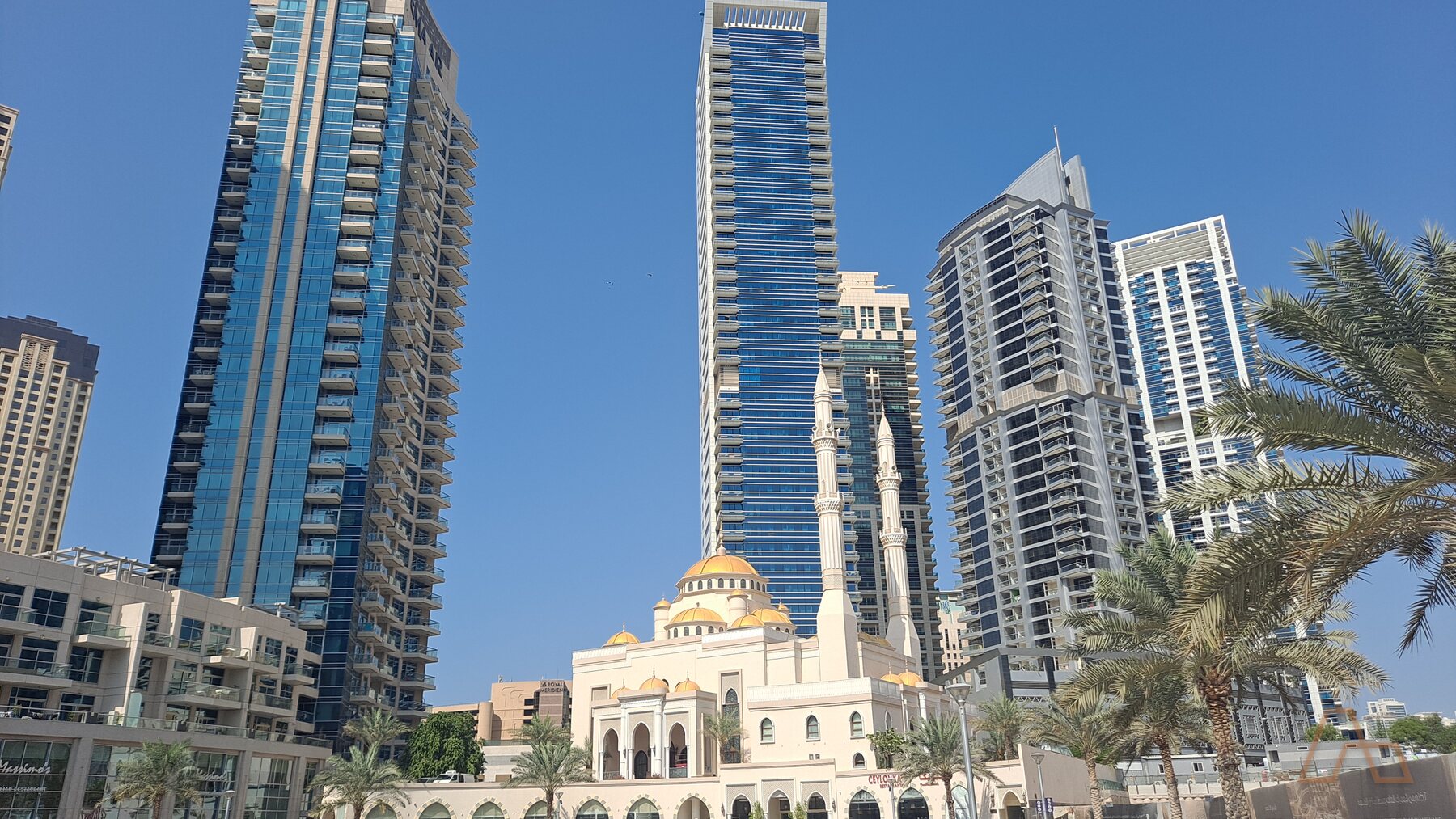
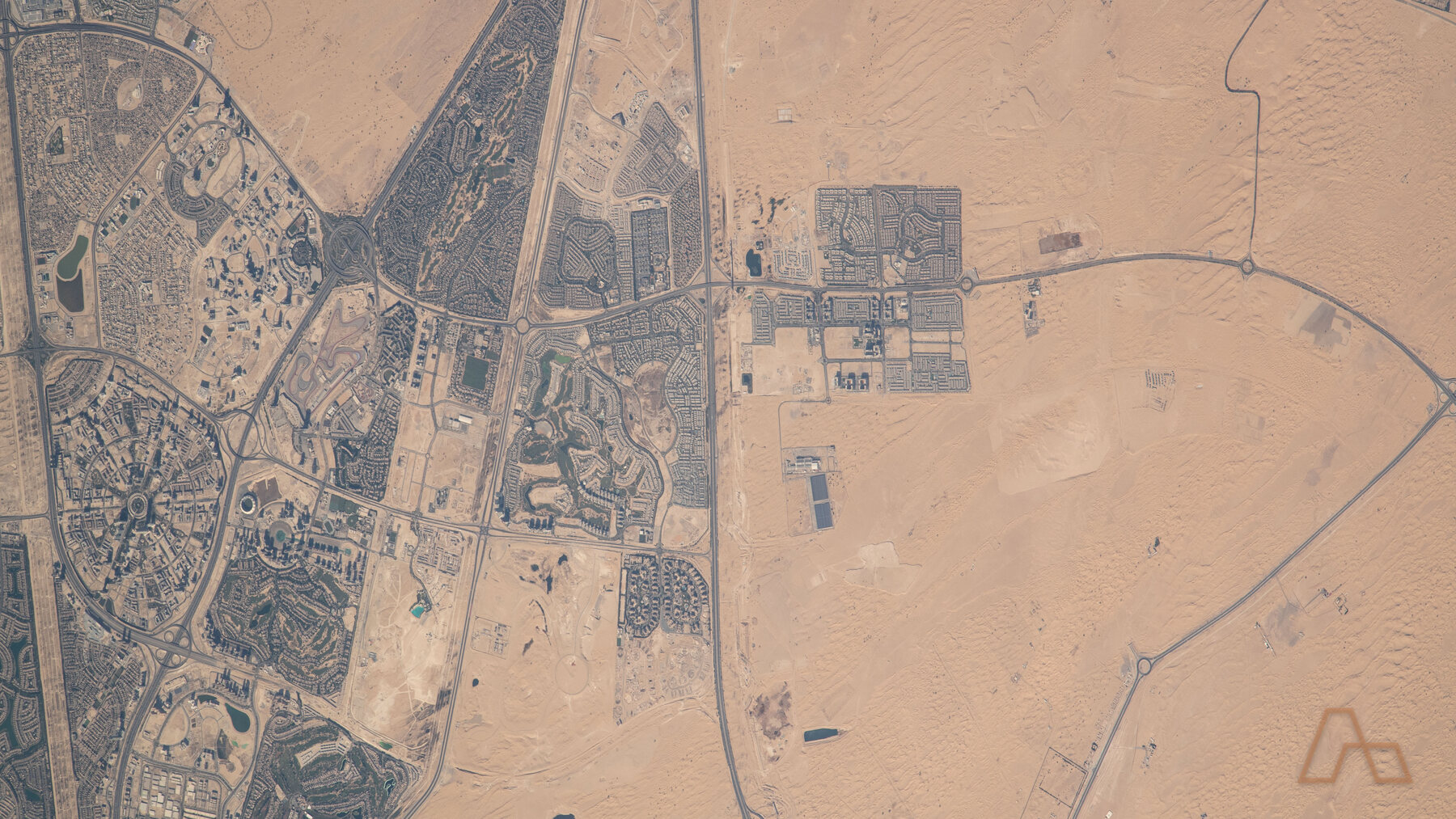
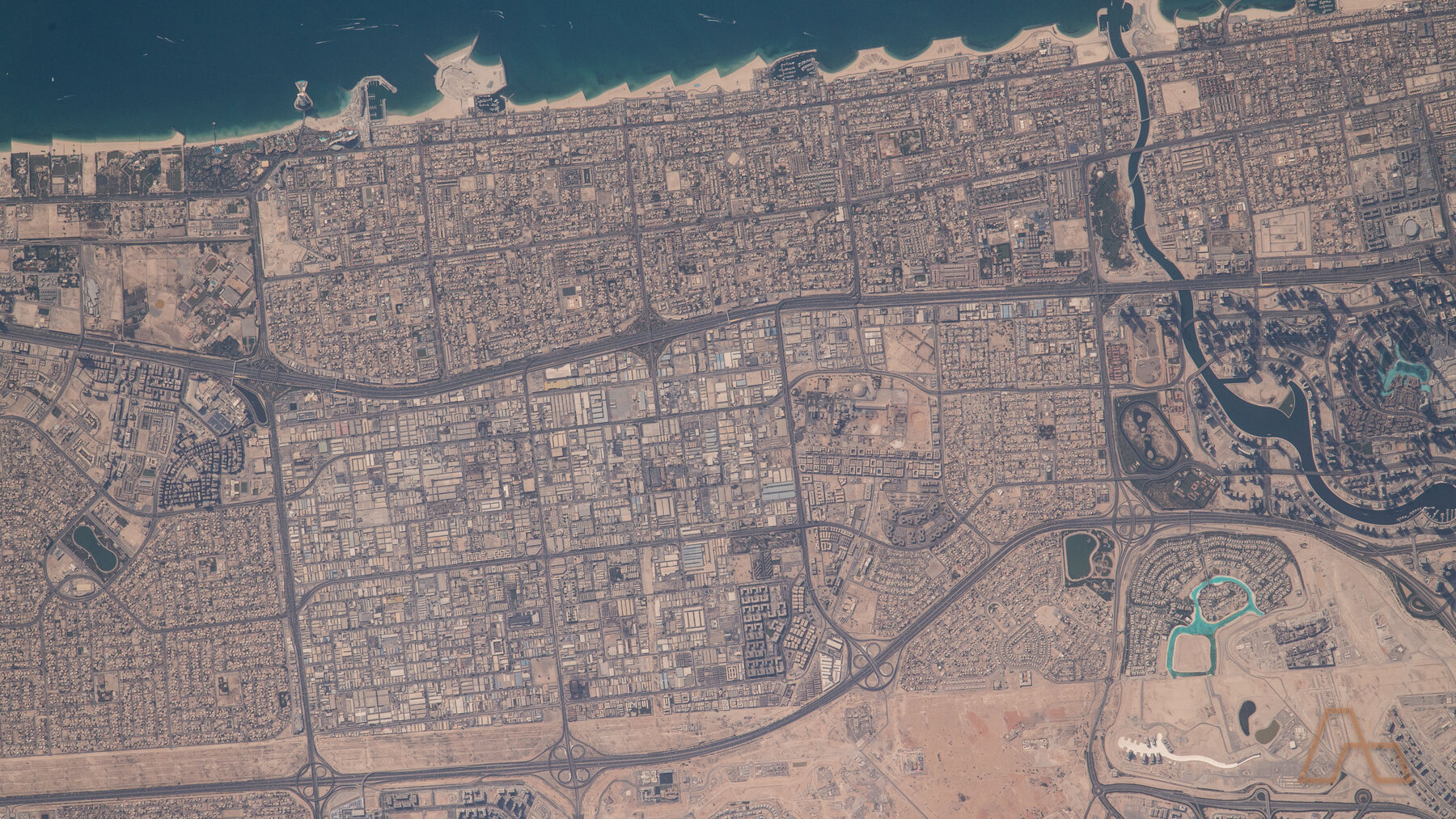
Midtown, in Dubai Production City, is the company's flagship mid-market master community and its most-cited yield story: a walkable, amenity-led masterplan built for the segment that rents rather than the segment that collects trophies.
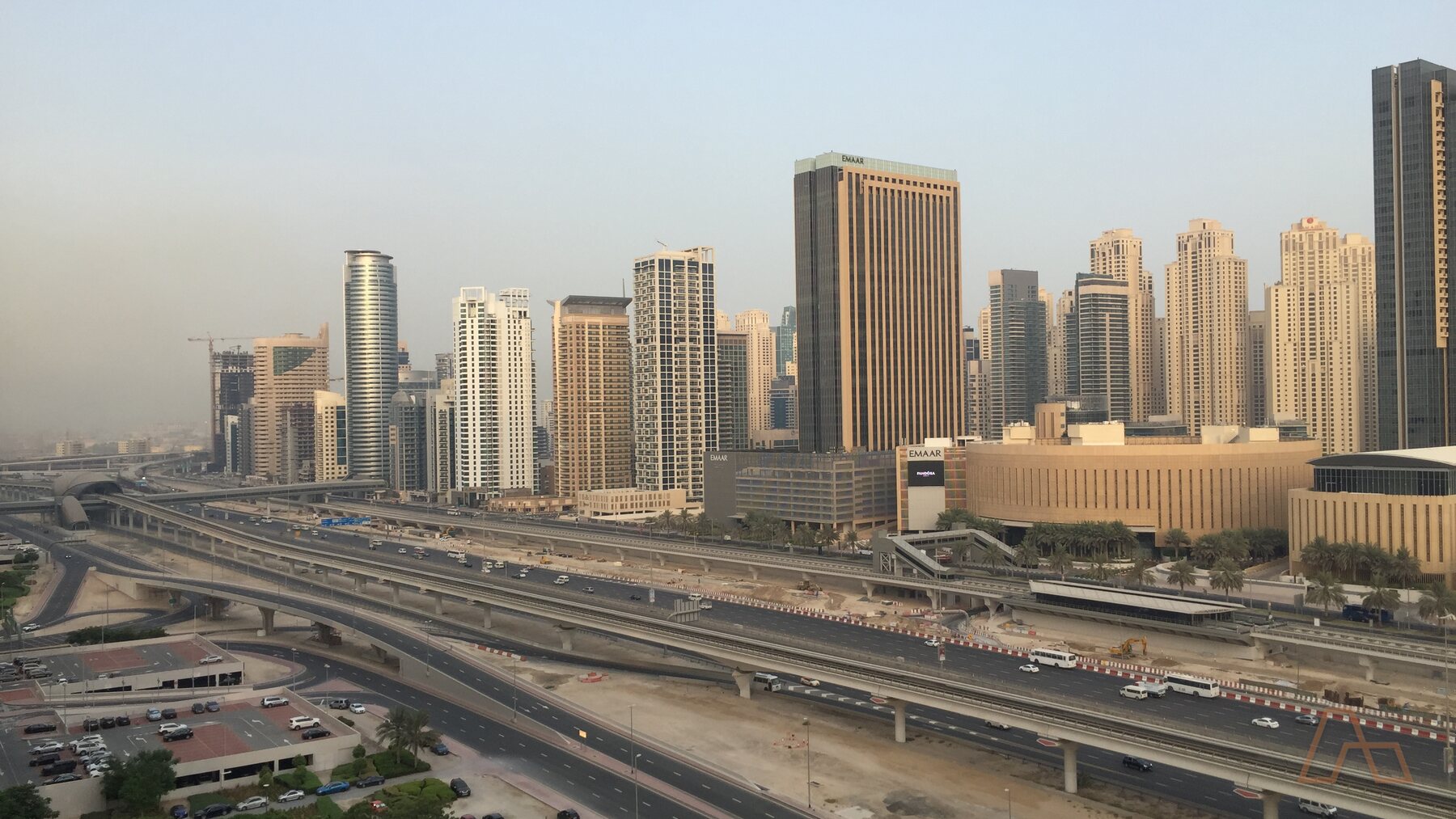
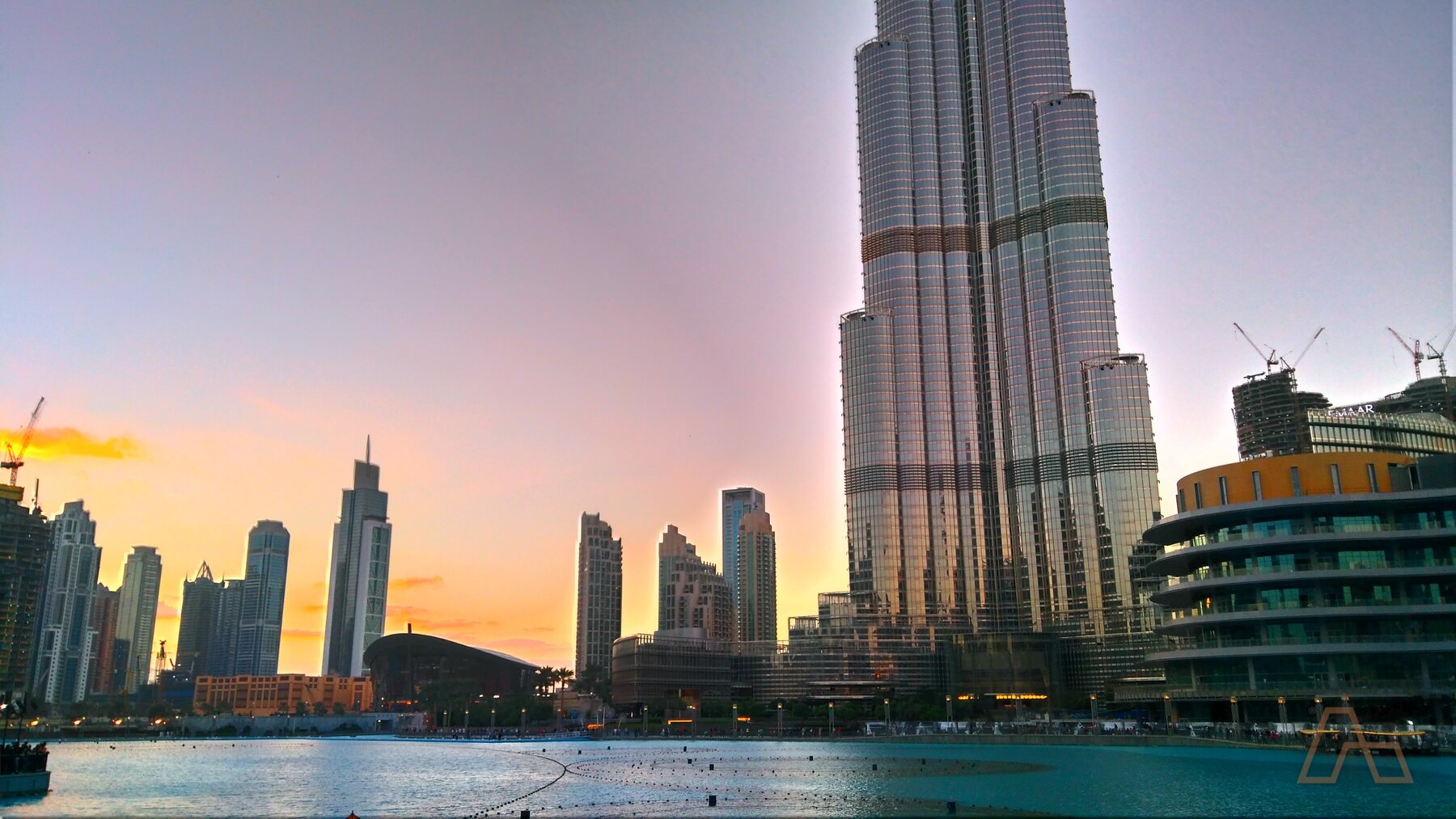
Downtown Residences in Business Bay is the outlier. Launched in the second quarter of 2025, it is planned at 445 metres across 110 floors, which would place it among the tallest residential towers in the UAE. A company that spent twenty years building mid-market stock putting a 445-metre tower on the board is a deliberate move up the price ladder, and it should be assessed as one.
Mar Casa sits in Dubai Maritime City, Park Five extends the community-scale product, Rivage takes the company into Abu Dhabi, and a signed beachfront development in Umm Al Quwain takes it into a market with almost no comparable supply.
*Pricing, availability and handover dates are subject to change — always confirm current figures with our sales team before making a decision.*
The Mid-Market Position
Deyaar's core business is the middle of the Dubai market: studios, one and two-bedroom apartments in districts with deep tenant demand and entry prices well below the waterfront. Midtown in particular is marketed on gross yields in the seven to eight and a half per cent range for smaller units.
Treat that range as a gross figure and do the subtraction yourself. Service charges, agency and management fees, vacancy between tenants and the Dubai Land Department costs at purchase all sit between a gross yield and what actually reaches your account. In the mid-market segment those costs are proportionally larger than they are on a high-value unit, because many of them are fixed per unit rather than per dirham.
What a Buyer Should Weigh
Use the filings, not the brochure. Deyaar publishes quarterly. Before you buy, read the most recent statement: revenue, profit before tax, total assets and the stated pipeline. No unlisted developer gives you that, and it takes ten minutes.
Watch the revenue-versus-profit gap. Flat revenue with rising margin is a healthy sign in a mature developer and a warning sign if it persists for years, because eventually new launches have to replace recognised inventory. Check whether the pipeline is converting.
Ask which segment your building is in. Midtown and Downtown Residences are different companies wearing the same logo. Mid-market economics, amenity levels and resale depth do not transfer between them.
Do the yield arithmetic on net, not gross. Seven to eight and a half per cent gross is a real number. What lands in your account after service charges, management and void periods is the number that decides whether the purchase worked.
Ask about the delivery curve on your specific unit. Handing over 1,425 units in a quarter proves capacity. It does not prove your tower's date. Ask for its current construction percentage and its registered completion date.
Verify escrow and DLD registration. Every off-plan purchase in Dubai must be registered with the Dubai Land Department and paid into a project escrow account. Request the escrow account number and confirm the project independently on Dubai REST.
Frequently Asked Questions
Who owns Deyaar Development?
Deyaar is a public joint stock company listed on the Dubai Financial Market since its 2007 IPO. Dubai Islamic Bank is its major shareholder, a legacy of the fact that Deyaar began as the bank's property management arm before being incorporated separately in 2002.
Is Deyaar a reliable developer?
Its record is publicly verifiable, which is the strongest thing that can be said about any developer. It has more than fifty building projects and eight community developments behind it, reported AED 1.97 billion of revenue and AED 637.9 million of profit before tax in 2025, and handed over 1,425 units in the first quarter of 2026 including a Midtown district delivered about three months early. Assess the specific project regardless.
What is Midtown by Deyaar?
Midtown is Deyaar's master community in Dubai Production City, built for the mid-market: apartment districts with shared amenities and retail, marketed on gross rental yields of roughly 7 to 8.5 per cent for studios and one-bedroom units. Its final district, Jannat, was handed over in the first quarter of 2026.
What is Downtown Residences by Deyaar?
Downtown Residences is a Business Bay project launched in the second quarter of 2025, planned at 445 metres across 110 floors, which would make it one of the tallest residential developments in the UAE. It represents a deliberate move upmarket from the company's mid-market core.
Does Deyaar build outside Dubai?
Yes. Rivage takes the company into Abu Dhabi, and Deyaar has signed a beachfront development in Umm Al Quwain — an emirate with very little comparable supply, which cuts both ways: less competition, and a thinner resale market.
What should I check before buying off-plan from Deyaar?
Read the latest quarterly filing, confirm which market segment your building sits in, ask for the specific construction percentage and registered completion date for your tower, calculate the yield net of service charges rather than gross, and verify the escrow account and DLD project registration independently.