Oqood Explained: the Off-Plan Registration That Makes Your Purchase Real
A buyer signs an off-plan sale and purchase agreement, pays the deposit, and asks when the title deed arrives. The answer is: at handover, years from now.
What they get in the meantime is an Oqood certificate, and it is not a formality. It is the document that makes the purchase enforceable against the world rather than just against the developer.
What Oqood Actually Is
Dubai maintains two property registers. The Property Register holds title deeds for completed units. The Interim Property Register holds off-plan units that do not exist yet.
Under Law No. 13 of 2008, every sale of an off-plan unit in Dubai must be registered in the Interim Property Register. Oqood is the Dubai Land Department system through which developers do that, and the Oqood certificate is the evidence of it.
The law is unusually blunt about the consequence: a disposition of an off-plan unit that is not registered in the Interim Property Register is void. An unregistered off-plan purchase is not a weaker purchase. It is a purchase with a defect at its foundation.
What It Protects You From
Double selling. Once your unit is registered against your name, the same unit cannot be sold to somebody else without the register showing it.
Developer insolvency. Your registered interest is recorded with the Land Department rather than sitting only in a private contract in the developer's filing system.
Resale disputes. When you later sell before handover, the buyer and the developer both work from the Oqood record.
Handover. The title deed at completion is issued off the back of the interim registration. No Oqood, no clean route to a title deed.
What It Costs and Who Pays
| Item | Typical amount |
| DLD registration fee on off-plan purchase | 4% of the purchase price |
| Oqood registration and administration fee | commonly around AED 3,000 plus VAT |
| Developer administration charges, where applied | varies by developer |
The 4% is the same Land Department fee that applies to completed purchases. Some developers absorb it as a sales incentive, some split it, and many pass it on in full. Whether it is included is a commercial term of your deal, and it should be written into the SPA rather than agreed verbally.
A promise that "DLD fees are waived" is worth exactly as much as the clause that records it.
The Sequence, in Order
One. You sign a reservation form and pay the booking amount.
Two. The developer issues the sale and purchase agreement. Read it before signing, because this is the contract.
Three. You pay the first instalment and the registration fees.
Four. The developer submits the transaction to the Dubai Land Department through Oqood.
Five. The Oqood certificate is issued in your name, usually within a few weeks of full submission, and you can verify it yourself through the Dubai REST application or the Land Department's services.
Do not treat step five as the developer's business alone. Verify it.
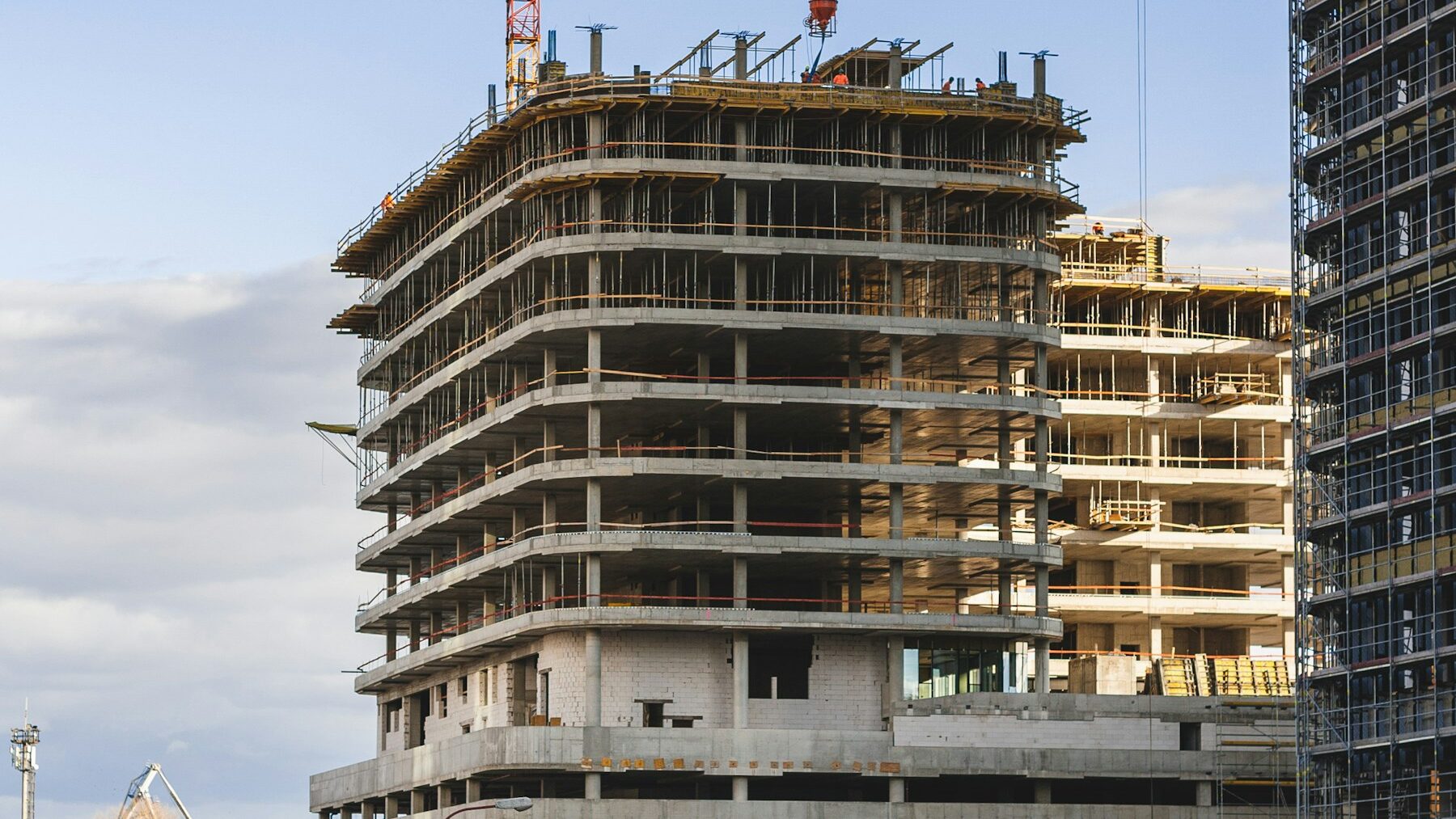
When the Developer Has Not Registered Your Unit
It happens, usually through administrative delay rather than bad faith, and occasionally through something worse. The remedy is escalation in order:
- Write to the developer asking for the Oqood certificate and a date. Keep it in writing.
- Check the project's status with the Land Department, including whether the project is registered and its escrow account active.
- Complain to RERA through the Dubai Land Department's channels if the certificate does not appear.
A developer who cannot produce an Oqood certificate months after full payment of the first instalments is telling you something about the project, and it is worth hearing early.
Oqood and Resale Before Handover
If you sell an off-plan unit before completion, the transfer of your interest also passes through the developer and the Interim Property Register. You will typically need the developer's no objection certificate, settlement of any outstanding instalments, and payment of transfer and administration fees.
The buyer's protection is the same as yours was: the new Oqood record in their name. Until it is issued, they have a contract and a promise.
Frequently Asked Questions
What is Oqood in Dubai?
Oqood is the Dubai Land Department system used to register off-plan property sales in the Interim Property Register. The Oqood certificate is the buyer's proof that their off-plan purchase is officially recorded.
Is Oqood registration mandatory?
Yes. Under Law No. 13 of 2008, off-plan dispositions in Dubai must be registered in the Interim Property Register, and a sale that is not registered is void.
How much does Oqood registration cost?
The Dubai Land Department registration fee is 4% of the purchase price, plus an Oqood registration and administration fee commonly around AED 3,000 plus VAT. Some developers absorb or share the 4%, but only if the contract says so.
Is an Oqood certificate the same as a title deed?
No. Oqood records an interest in an off-plan unit in the Interim Property Register. The title deed is issued from the main Property Register after completion and handover.
How long does Oqood registration take?
Once the developer submits a complete transaction, the certificate is usually issued within a few weeks. Buyers can verify the registration themselves through the Dubai REST application.
What if my developer has not issued an Oqood certificate?
Request it in writing with a deadline, check the project's registration and escrow status with the Land Department, and escalate to RERA through the Dubai Land Department if it is still not produced.
The Short Version
Oqood is not paperwork that follows the purchase. It is the purchase, legally speaking, until the building exists. Get the 4% treatment written into the SPA, verify the certificate yourself rather than taking the sales office's word for it, and treat an unexplained delay as a signal about the project rather than about the filing.
This is general information about Dubai property registration, not legal advice. Fees and procedures change. Confirm current requirements with the Dubai Land Department or a qualified UAE lawyer before relying on them.