Jumeirah Beach Residence (JBR) Area Guide: Beachfront Prices, Real Yields and the Short-Let Question
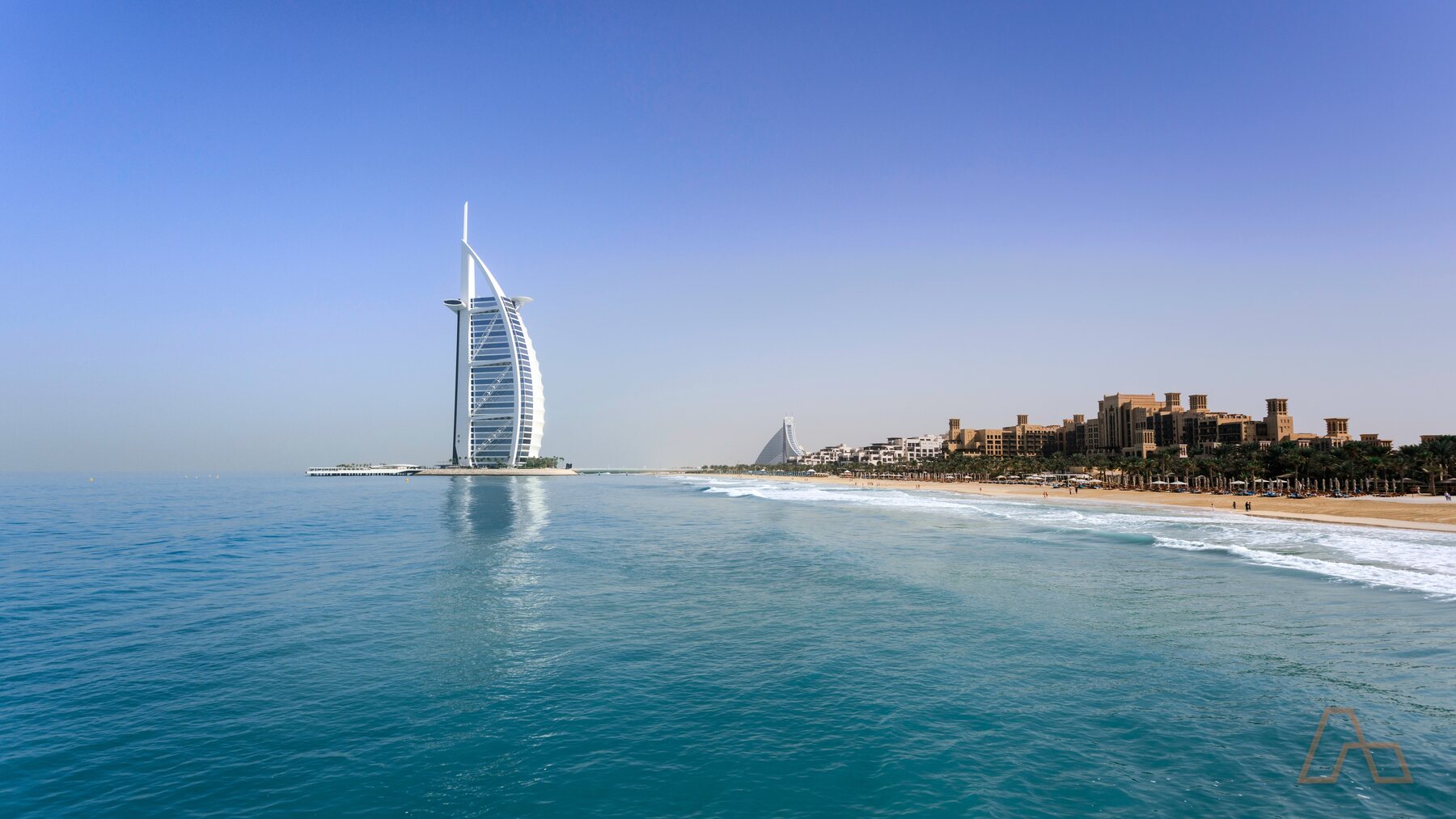
Jumeirah Beach Residence is a single development rather than a neighbourhood that grew: forty towers in six named clusters, around 6,500 apartments, delivered between roughly 2007 and 2010 along a two-kilometre stretch of beach at the seaward edge of Dubai Marina.
Its proposition has not changed in fifteen years and has not been replicated. It is the largest freehold beachfront apartment stock in Dubai, it sits directly on a public beach, it has a retail and restaurant strip on two sides, and it is a walk from the Marina's metro and tram network. Nothing else in the emirate combines those four.
What has changed is the buildings' age, and that is where the analysis has to be honest.
The Layout
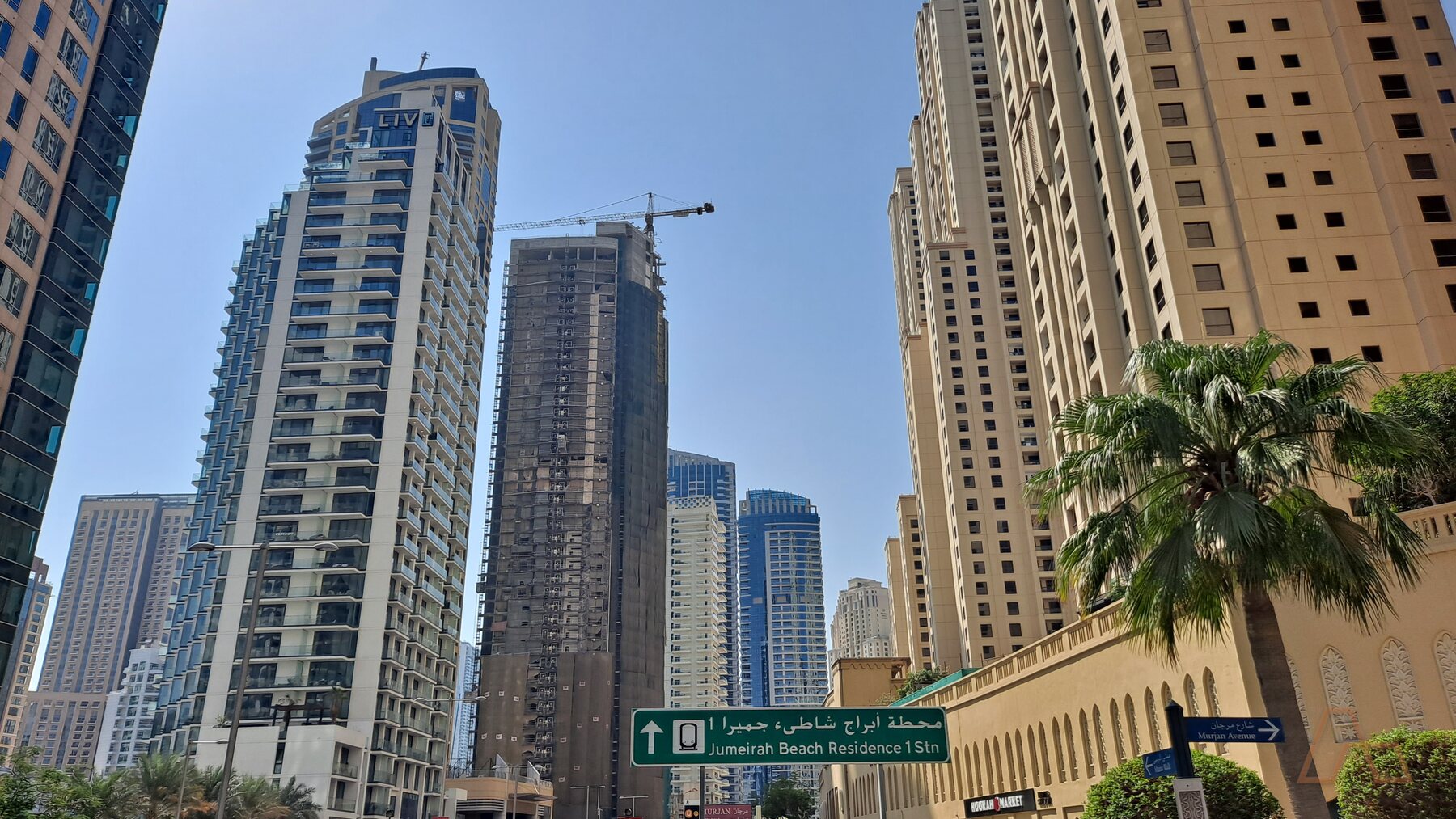
The six clusters run along the beach and each has a distinct character, which matters more than buyers expect.
- Amwaj — closest to the Dubai Marina end, generally the most sought after, strong beach and marina aspects.
- Shams — central, large floor plates, popular with families.
- Rimal — central, directly behind the busiest stretch of The Walk, which is both the best retail access and the most noise.
- Bahar — the newest cluster, completed later, generally better specified and priced accordingly.
- Sadaf — toward the Jumeirah end, quieter, slightly softer pricing.
- Murjan — the far end, quietest, closest to the Ritz and the Sheraton stretch of beach.
Within every cluster the critical variable is aspect. A sea-facing unit and a road-facing unit in the same tower, same floor, same size, can differ by 25% to 35% in both price and achievable rent. JBR is a district where the specific unit matters more than the cluster, and the cluster matters more than the postcode.
What It Costs
Realistic 2026 bands. Sea-facing and high-floor units sit at the top of each range, road-facing and low-floor at the bottom.
| Unit type | Typical purchase price | Typical annual rent |
| Studio | AED 1,100,000 to 1,600,000 | AED 85,000 to 120,000 |
| One bedroom | AED 1,700,000 to 2,600,000 | AED 120,000 to 170,000 |
| Two bedroom | AED 2,500,000 to 4,200,000 | AED 175,000 to 260,000 |
| Three bedroom | AED 3,800,000 to 6,500,000 | AED 250,000 to 380,000 |
| Four bedroom and penthouse | AED 6,000,000 upward | AED 400,000 upward |
Price per square foot generally runs AED 1,900 to AED 2,900, with Bahar and prime sea-facing Amwaj stock above that.
Gross yields land between 5.5% and 7% on long lets. That is below Dubai Marina and well below Deira, and it is the price of beachfront. The compensating factors are void length, tenant quality and the short-let option.
Service Charges and the Chiller
JBR service charges typically run AED 18 to AED 28 per square foot per year, varying by cluster and tower. On a 1,400 square foot two-bedroom that is a spread of roughly AED 14,000 a year between the leanest and the most expensive building — around 6% of the gross rent, decided entirely by which tower you bought in.
Cooling is district cooling, which means a separate provider bill with a capacity charge that is payable whether the apartment is occupied or not. For an investor this matters in two ways: the standing charge continues through a void, and a short-let operator running a unit hard in summer will see a consumption bill that a long-let landlord never sees.
Get the Mollak service charge statement for the specific tower and the district cooling capacity charge for the specific unit size before you offer. Both are obtainable and both are routinely skipped.
The Short-Let Question
JBR is one of Dubai's strongest holiday-home markets. Beachfront, walkable retail, a tourist-recognisable address and a large base of furnished stock produce occupancy and nightly rates that long lets cannot match. A well-run one-bedroom can gross AED 180,000 to AED 240,000 a year against AED 120,000 to 170,000 on a long let.
Three conditions apply and all three are binding.
You need a DTCM holiday home permit. Operating a short-term rental in Dubai without one is an offence, and enforcement is active. The permit is issued per unit, requires the title deed or a tenancy with the owner's authorisation, and carries an annual fee plus the Tourism Dirham per occupied night.
The building must allow it. This is the condition that catches investors. Some JBR towers permit short-term letting, some restrict it, and some prohibit it outright through the owners association rules. The jointly owned property declaration and the association's house rules govern, and they override your business plan. Check the specific tower, in writing, before you buy on short-let numbers.
The gross is not the net. Platform commission, cleaning, linen, a management company at 15% to 25% of revenue, higher utility consumption, faster furniture depreciation and higher insurance all come out of that AED 200,000. A realistic net after costs is often only 15% to 30% ahead of a long let, for materially more work and more vacancy risk.
What Fifteen Years Has Done
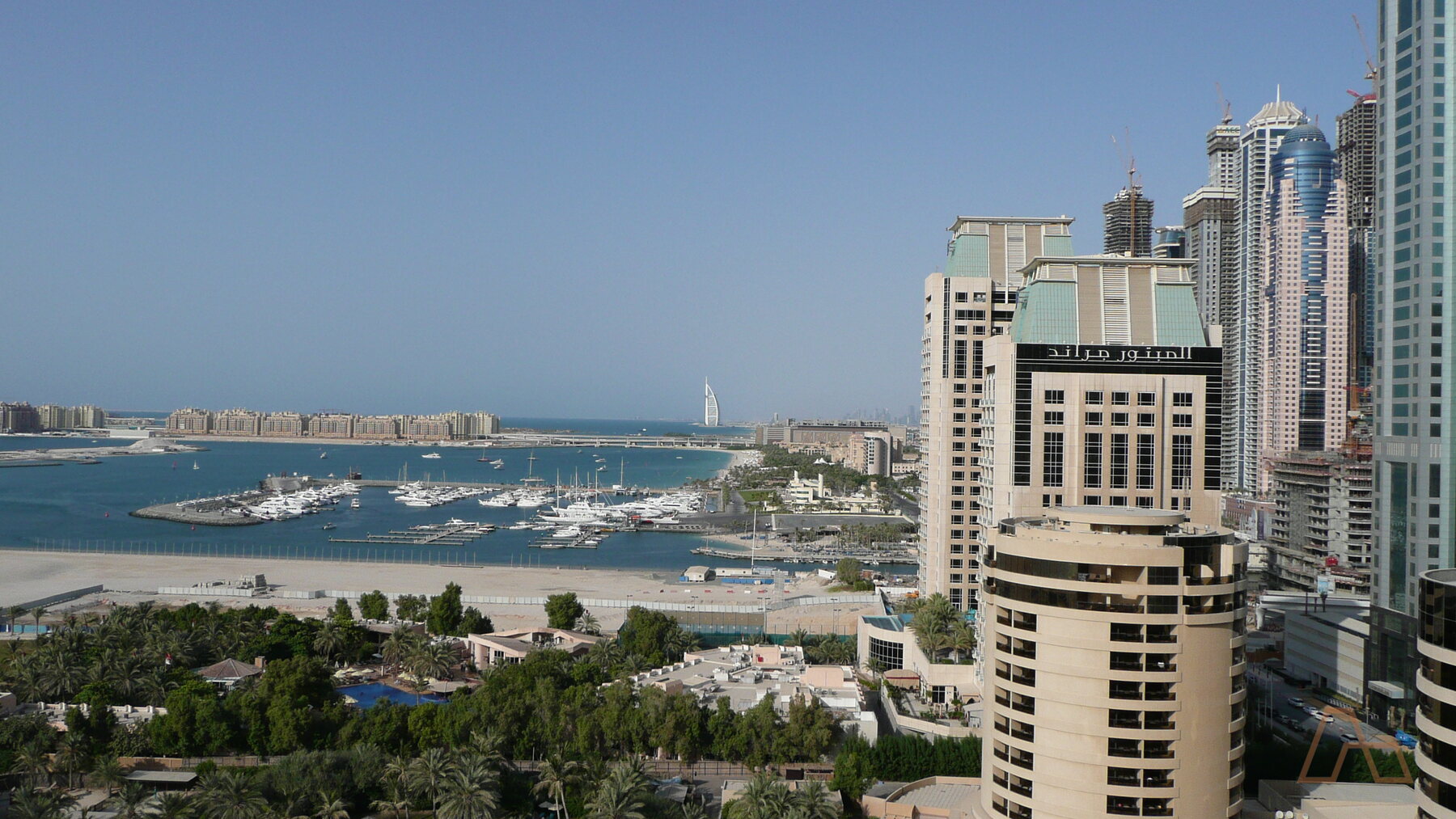
JBR's towers were completed around 2007 to 2010, which puts the stock at the point where building-level maintenance decisions start to separate the good buildings from the rest.
What to look for:
- Lift and plant replacement cycles. Towers of this vintage are reaching the age where major plant replacement is due. That arrives as a higher service charge or a special levy, and the owners association reserve fund is what determines which.
- Reserve fund adequacy. A well-provisioned fund absorbs a chiller replacement. A thin one passes it to owners as a one-off demand. This is in the association's accounts and you are entitled to see it.
- Facade and waterproofing. Fifteen years of salt air at a beachfront location is harder on a building than fifteen years inland. Evidence of recent facade work is a positive signal, not a negative one.
- Interior condition. A large share of JBR units are still on original 2008 kitchens and bathrooms. A refurbished unit commands a clear rent and resale premium here, and the refurbishment cost is usually recovered.
None of this is a reason to avoid the district. It is a reason to buy the tower as carefully as you buy the apartment.
Parking, Access and the Daily Reality
Parking is one bay per apartment in most JBR units, including many two-bedrooms. For a family with two cars this is a genuine constraint, and visitor parking on The Walk is paid and heavily used. Confirm the allocation on the title deed.
Traffic is the district's weakest point. The Walk and the surrounding access roads congest badly on weekend evenings and through the winter season. Residents learn the routes; buyers viewing on a quiet Tuesday morning do not see it.
The metro is not at the door. The nearest stations are in Dubai Marina, roughly a ten to fifteen minute walk plus the tram. Walkable, not doorstep.
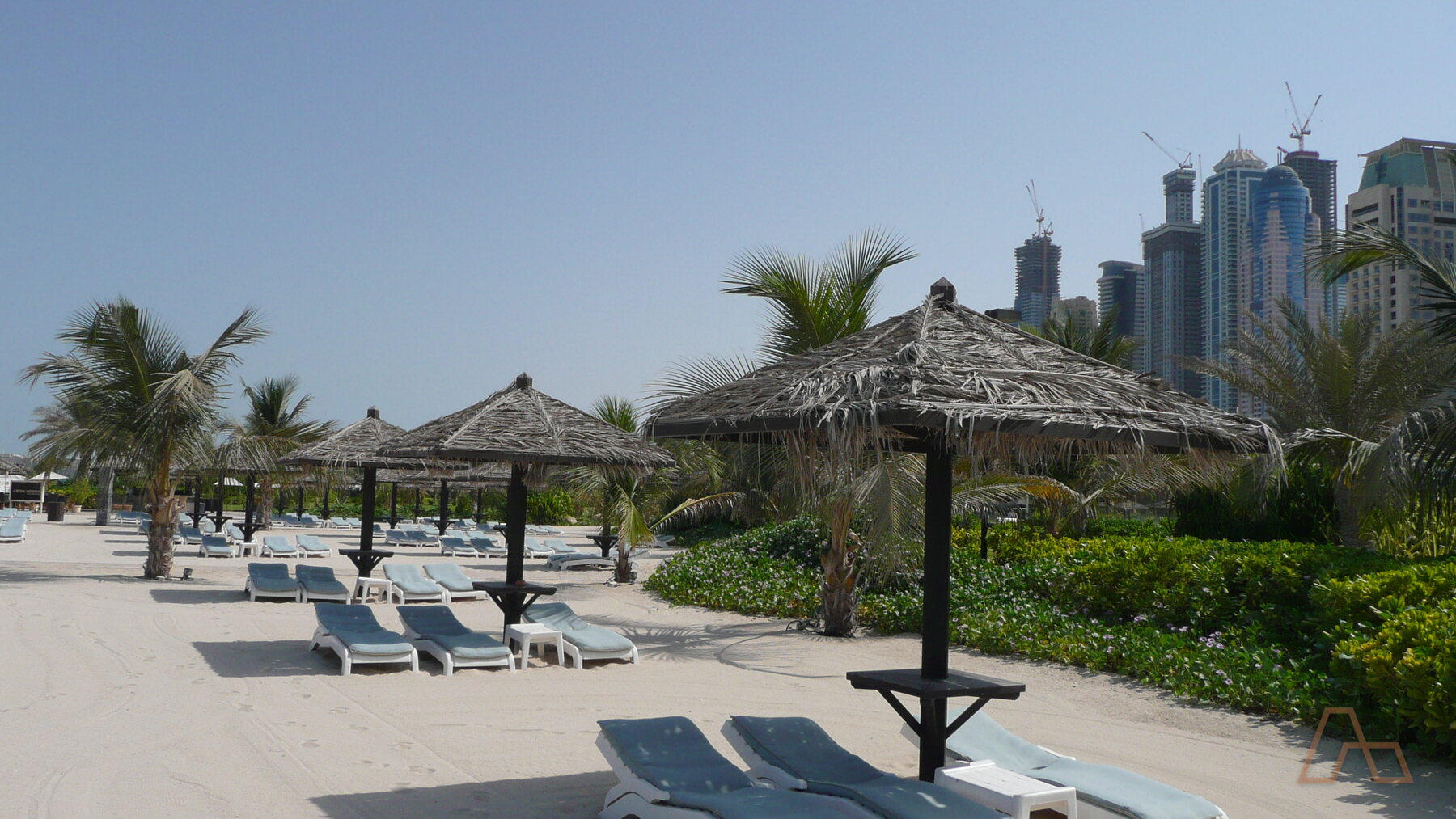
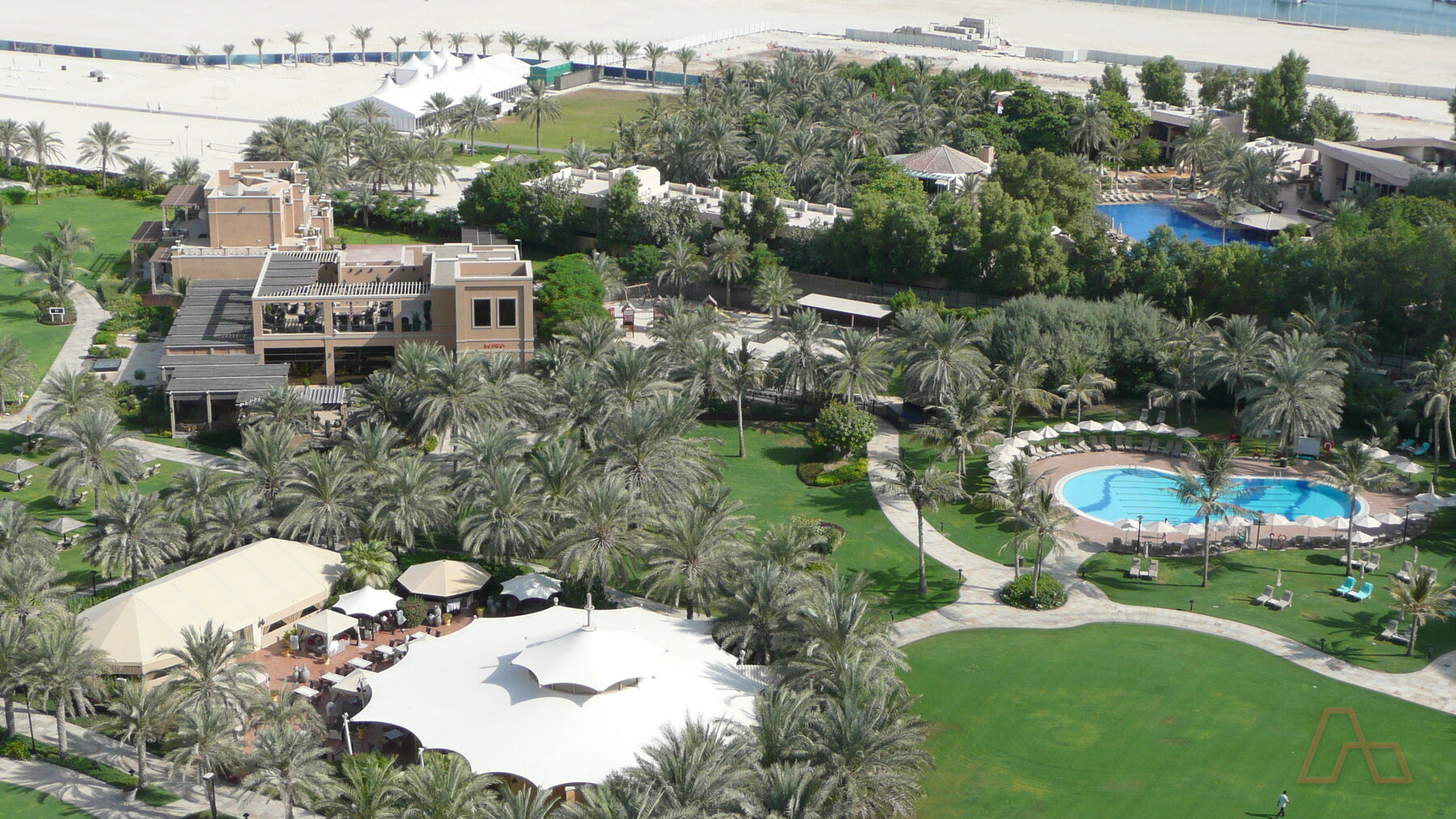
The beach is. This is the thing the district is actually for, and it works. Direct public beach access, maintained, with the retail strip behind it.
Who JBR Suits
It suits holiday-home investors better than almost anywhere in Dubai — subject to the permit and, critically, the building's own rules.
It suits owner-occupiers who want the beach, and who will actually use it. The premium over an inland Marina apartment is paid for proximity to sand, and it is only worth paying if that proximity is used.
It suits long-let investors who value void risk over headline yield. JBR units let quickly and to good tenants, and a 6% yield with three weeks of annual vacancy beats a 7.5% yield with two months of it.
It suits families moderately. Schools are outside the district, parking is tight and the towers are dense, though the beach and the walkability compensate for a lot.
It suits pure yield investors poorly. If the objective is maximum gross return per dirham invested, JLT, JVC and Deira all beat it and it is not close.
Frequently Asked Questions
Is JBR freehold for foreign buyers?
Yes. Jumeirah Beach Residence is a designated freehold area, so any nationality can buy, own and resell there outright, with the title registered at the Dubai Land Department.
What rental yield does a JBR apartment produce?
Gross yields typically run 5.5% to 7% on a long let, below Dubai Marina and well below the inland districts, which is the cost of beachfront. Short-letting can push gross returns higher, but only where the building permits it and after platform, cleaning and management costs are deducted.
How much are service charges in JBR?
Typically AED 18 to 28 per square foot per year, varying by cluster and tower, with district cooling billed separately by the provider including a standing capacity charge payable during voids. On a 1,400 square foot apartment the difference between the cheapest and most expensive tower is around AED 14,000 a year.
Can I rent out a JBR apartment on Airbnb?
Only with a DTCM holiday home permit and only if the specific tower allows it. Some JBR buildings permit short-term letting, some restrict it and some prohibit it through the owners association rules, which override any individual owner's plans. Confirm the building's position in writing before buying on short-let projections.
Which JBR cluster is best?
Amwaj is generally the most sought after for its marina and beach aspects, Bahar is the newest and best specified, Rimal has the strongest retail access and the most noise, and Sadaf and Murjan are quieter with slightly softer pricing. Within any cluster, aspect matters more: sea-facing units command 25% to 35% more than road-facing equivalents.
Are JBR apartments too old to buy now?
Not inherently, but the stock dates from 2007 to 2010 and has reached the age where major plant replacement decisions arrive. Buy the building as carefully as the apartment: check the owners association reserve fund, recent facade and lift works, and whether any special levy is pending. Well-maintained towers in JBR continue to perform.
The Bottom Line
JBR sells one thing that cannot be built again at this scale in Dubai: a freehold apartment on a public beach with a city behind it. That scarcity is what holds the pricing up and what keeps the voids short.
Buy the aspect, buy the tower's maintenance record, and verify the short-let position in writing if your numbers depend on it. Those three checks are the difference between a strong beachfront asset and an expensive one.
Our team holds the service charge and reserve fund position for most JBR towers. Ask before you offer.