Branded Residences in Dubai: What the Premium Actually Buys, and When It Does Not Hold
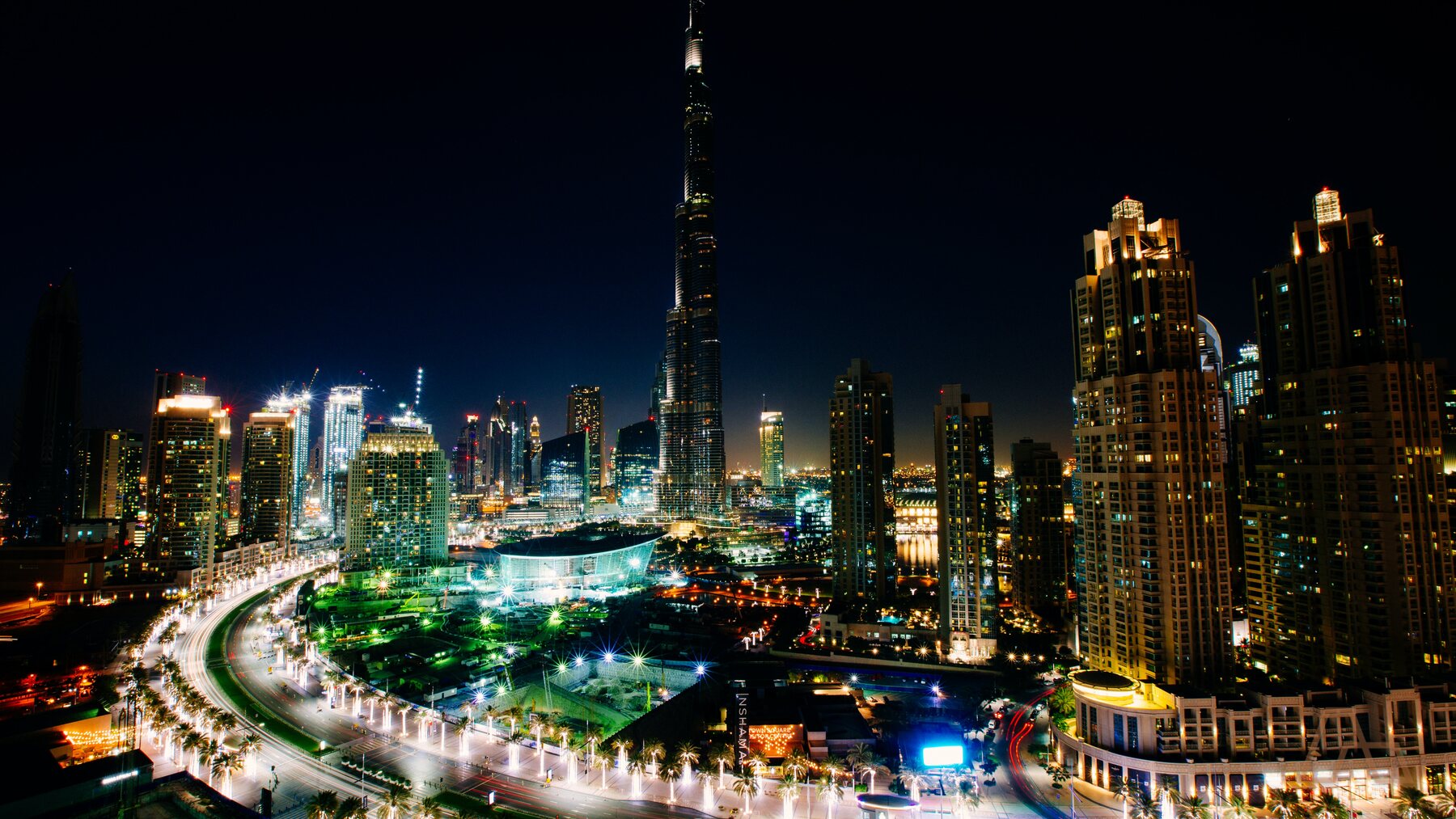
Dubai has more branded residences than any other city on earth, by scheme count and by pipeline. Hotel groups, fashion houses, car manufacturers and designers have all put their names on towers here, and buyers have paid for it: the premium over a comparable unbranded apartment in the same district typically runs 25% to 60%, and in the most sought-after schemes considerably more.
That premium is sometimes excellent value and sometimes a transfer of wealth from buyer to developer. The difference is structural, and it is knowable before you sign.
What a Branded Residence Actually Is
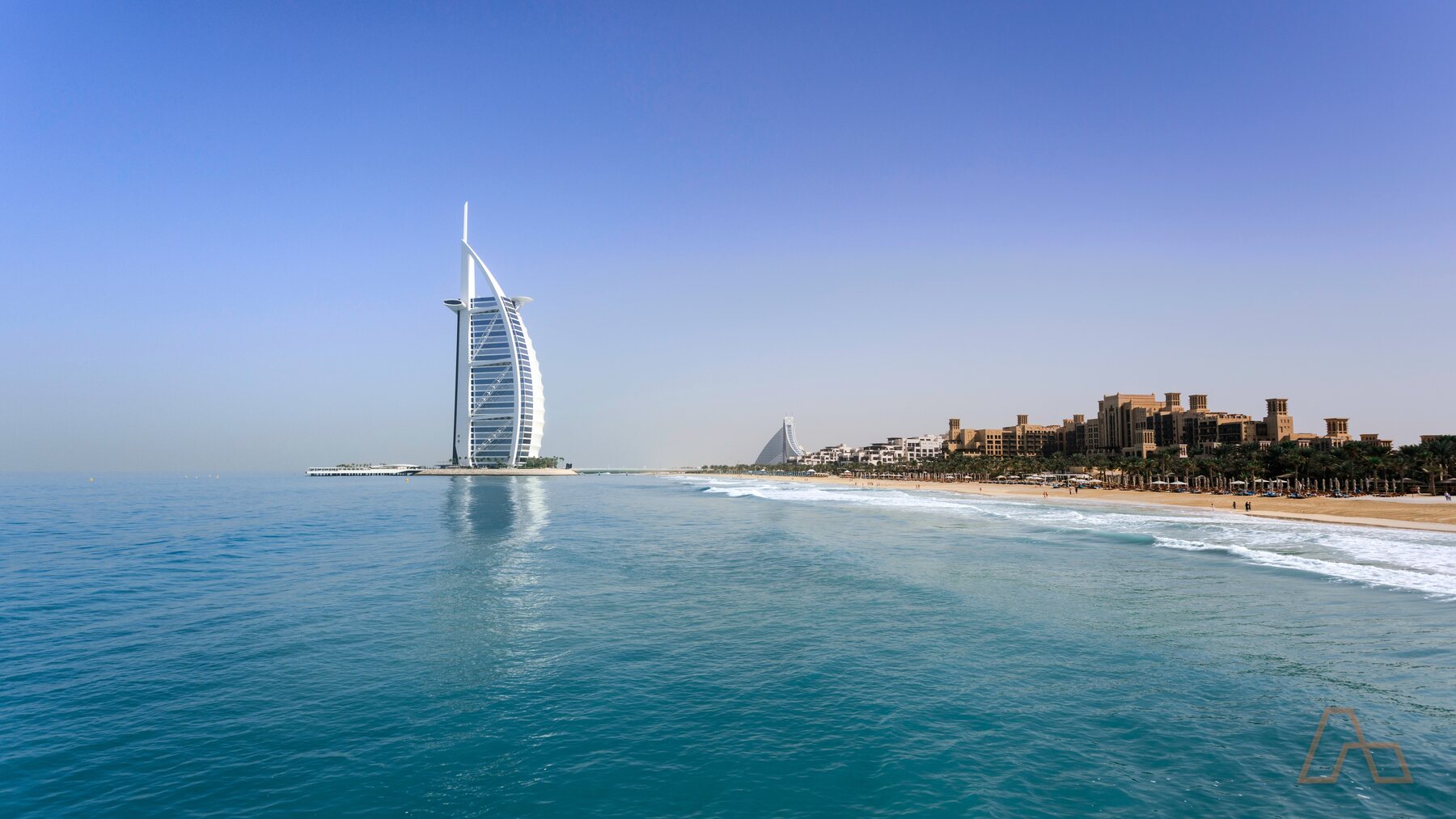
A branded residence is an apartment or villa sold under a third-party brand, where the developer has licensed the name and, usually, an operating standard. The brand almost never owns the building. It licenses its name to the developer for a fee and, in the stronger arrangements, manages the services.
There are three distinct models and they behave very differently.
Hotel-operated. A hotel group both lends its name and runs the residential services, often alongside a hotel in the same tower. This is the deepest model: the brand has operational skin in the game, standards are contractually enforced, and residents can usually buy hotel services à la carte.
Hotel-branded, separately managed. The name comes from a hospitality group but day-to-day management sits with a third-party facilities company. Weaker, and the gap is visible within five years of handover.
Non-hospitality brands. Fashion, automotive and design houses licensing a name and an interior design language. The design is genuinely theirs. The service layer usually is not, because these companies have no operational hospitality capability. This is the model where the premium is most often pure brand rent.
What the Premium Buys
At its best, the premium is buying four things.
- Service depth. Concierge, valet, housekeeping on demand, in-residence dining, maintenance with a response standard rather than a phone number. In a city where facilities management quality varies wildly, a contractually enforced service standard is a real asset.
- Specification floor. Branded schemes typically deliver higher-grade kitchens, sanitaryware, joinery and acoustics than their district average, because the brand's licence agreement sets minimum standards it will not permit the developer to cut.
- Amenity scale. Private beach access, residents-only pools, screening rooms, gyms with staffing rather than just equipment.
- Liquidity among international buyers. A recognisable name shortens the explanation when selling to someone who has never visited the building, which matters more in Dubai than in cities where buyers are local.
At its worst the premium buys a logo on the entrance, an interior palette, and a service contract that lapses.
The Numbers
These are realistic 2026 bands across Dubai's prime districts. Individual schemes sit outside them in both directions.
| Metric | Unbranded prime | Branded residence |
| Price per sq ft | AED 2,000 to 3,500 | AED 2,800 to 6,000 plus |
| Service charge per sq ft per year | AED 15 to 25 | AED 30 to 70 |
| Gross yield | 5.5% to 7% | 4.5% to 6% |
| Typical premium at purchase | — | 25% to 60% |
| Premium retained at resale | — | 10% to 35% in strong schemes |
Note the two rows that matter most. Service charges are the cost of the service promise, and they are two to three times the city norm because concierge and housekeeping staff are a payroll, not a feature. And gross yield is lower, because the price went up faster than achievable rent did.
The compensating argument is capital performance and tenant quality. Branded stock in Dubai has generally held value better through soft markets and attracted longer, better-covenanted tenants. That argument holds for the strong schemes. It does not hold uniformly.
The Four Questions That Decide Whether the Premium Survives
This is the part that marketing suites do not volunteer, and all four answers are in documents you are entitled to see.
How long is the brand licence, and what happens when it ends?
Licence terms commonly run 10 to 30 years from completion, with renewal at the brand's discretion and on commercial terms set at the time. A twenty-year licence on a building you expect to hold for fifteen is fine. A ten-year licence is a question, because the premium you paid is attached to a name that can walk away while you still own the asset.
Ask for the term, the renewal mechanism, and the de-branding provisions. A well-drafted scheme says what happens to signage, service standards and the owners association budget if the brand exits. A poorly drafted one is silent, and silence means the residents inherit the problem.
Who actually operates the building?
Read the management agreement, not the brochure. If the brand is the operator, service standards are enforceable against a counterparty with a reputation to protect. If the brand merely licensed its name and a local facilities company holds the operating contract, you are buying ordinary facilities management with an extraordinary service charge.
What is the service charge, and who sets it?
Branded service charges of AED 30 to AED 70 per square foot are normal and defensible if the services are delivered. On a 2,000 square foot apartment, AED 50 per square foot is AED 100,000 a year, every year, for as long as you own it. Over a ten-year hold that is a million dirhams — frequently more than the branded premium itself.
Get the budgeted service charge schedule for the specific scheme and check whether it is a developer projection or an approved Mollak budget. Projections at launch are routinely optimistic, and the gap between launch projection and year-three reality is one of the most common complaints in this segment.
Is there a rental pool, and is it optional?
Some branded schemes operate a managed rental programme with a revenue split, typically 60/40 or 70/30 in the owner's favour after costs. Some make participation effectively mandatory by restricting independent letting. Check whether you can let the unit yourself, on what terms, and whether short-term letting is permitted at all — because a scheme that bars it has removed an exit that the yield numbers may have assumed.
When the Premium Holds
Across resale evidence in Dubai, the branded premium persists where three conditions coincide:
- The brand operates the building rather than only licensing its name.
- The location is independently prime, so the asset would be desirable unbranded. Branding amplifies a good location; it does not create one.
- The scheme is scarce — a limited number of units, no second phase diluting it, and no sibling scheme from the same brand three streets away.
Where the premium erodes fastest is the inverse: a licensing-only deal, in a secondary location, in a brand that has signed several Dubai schemes in quick succession. Brand scarcity is an asset and brands spend it.
Who This Suits
It suits end users who will consume the services. If you will use the concierge, the housekeeping and the beach club, you are buying a lifestyle at a price, and the service charge is the price of the thing you wanted.
It suits investors targeting the long-stay premium tenant — relocating executives, families on corporate packages — where a branded address shortens voids and supports a rent that an unbranded tower cannot ask.
It suits yield-focused investors poorly. The maths is plain: you pay 25% to 60% more for roughly the same rent, then carry a service charge two to three times higher. Net yield in branded stock frequently lands in the 3% to 4.5% range against 5% to 6.5% for well-chosen unbranded stock. If income is the objective, the premium works against you.

Due Diligence Checklist
Before you reserve, obtain and read:
- The brand licence term, renewal mechanism and de-branding provisions.
- The operating agreement naming the actual building operator.
- The approved or budgeted service charge per square foot, with a breakdown.
- The rental pool terms, if any, and whether participation is optional.
- The jointly owned property declaration, which governs the owners association.
- The escrow account details, if off-plan, and confirmation of Oqood registration.
- Comparable resale evidence for the same brand elsewhere in Dubai, which tells you what the premium did rather than what it is projected to do.
Frequently Asked Questions
What is a branded residence in Dubai?
It is a home sold under a third-party brand — usually a hotel group, sometimes a fashion, design or automotive house — where the developer has licensed the name and, in the stronger schemes, an operating standard. The brand rarely owns the building; it licenses its name for a fee and may also manage the residential services.
How much more do branded residences cost in Dubai?
The premium over a comparable unbranded apartment in the same district typically runs 25% to 60%, and more in the scarcest schemes. Branded stock commonly prices at AED 2,800 to 6,000 per square foot against AED 2,000 to 3,500 for prime unbranded.
Are service charges higher in branded residences?
Substantially. Branded schemes commonly charge AED 30 to 70 per square foot per year against AED 15 to 25 for prime unbranded, because concierge, housekeeping and front-of-house staffing are a payroll rather than a one-off fitting. On a 2,000 square foot unit that is AED 60,000 to 140,000 a year.
Do branded residences hold their value in Dubai?
The strong ones do, retaining perhaps 10% to 35% of the original premium at resale. The premium persists where the brand actually operates the building, the location is independently prime, and the scheme is scarce. It erodes where the brand only licensed its name, the location is secondary, or the same brand has signed several Dubai schemes in quick succession.
What happens when the brand licence expires?
That depends entirely on the documents, which is why you read them before buying. Licences commonly run 10 to 30 years with renewal at the brand's discretion. A well-drafted scheme sets out what happens to signage, service standards and the association budget on exit. If the documents are silent, the owners inherit the problem.
Is a branded residence a good investment for rental yield?
Generally not. You pay a large premium for broadly similar achievable rent and then carry a much higher service charge, so net yields often land around 3% to 4.5% against 5% to 6.5% for well-chosen unbranded stock. Branded residences suit end users and long-stay premium letting far better than they suit income investors.
The Short Version
A branded residence is a service business attached to an apartment. Judge it as one. If the brand runs the building, the location would stand on its own, the scheme is scarce and the service charge is a number you have actually seen in writing, the premium is usually defensible.
If any of those four is missing, you are paying a logo tax — and the resale market will eventually price it as such.
Our team holds the service charge history and resale evidence for most of Dubai's branded schemes. Ask before you reserve, not after.