What It Costs to Furnish a Dubai Rental, and Whether It Is Worth Doing
Dubai is one of the few major rental markets where furnishing a long-let apartment is a genuine commercial decision rather than an eccentricity. A large share of tenants arrive from abroad, on contracts of uncertain length, without furniture.
Whether you should furnish depends on the unit, the district and the arithmetic, and the arithmetic is more marginal than most agents suggest.
What It Costs
Realistic budgets for a decent, durable, mid-market fit-out. Not designer, not disposable.
| Unit | Basic | Mid-market | High specification |
| Studio | AED 15,000 to 22,000 | AED 25,000 to 40,000 | AED 50,000 plus |
| One bedroom | AED 22,000 to 32,000 | AED 35,000 to 60,000 | AED 80,000 plus |
| Two bedroom | AED 35,000 to 50,000 | AED 55,000 to 90,000 | AED 120,000 plus |
| Three bedroom | AED 50,000 to 75,000 | AED 80,000 to 140,000 | AED 180,000 plus |
Those figures assume white goods are already installed, which is normal in Dubai apartments. Add curtains, light fittings and a deep clean, which are routinely forgotten.
What the Premium Actually Is
A well-furnished unit in a mid-market Dubai district typically achieves 10% to 20% more rent than the same unit unfurnished. Beyond that range, the market stops paying for specification, because tenants compare against other furnished units rather than against your invoice.
The secondary benefits are real and harder to quantify: faster letting, which is worth two to four weeks of rent per cycle, and access to corporate and relocation tenants, who are generally reliable payers.
The Payback Calculation
A one-bedroom letting at AED 75,000 unfurnished, furnished to mid-market standard for AED 45,000.
| Line | Amount |
| Unfurnished rent | AED 75,000 |
| Furnished rent, plus 15% | AED 86,250 |
| Annual uplift | AED 11,250 |
| Furnishing cost | AED 45,000 |
| Simple payback | 4 years |
| Realistic furniture life | 4 to 6 years |
That is the honest picture: the uplift roughly pays for the furniture over its useful life, and the real return comes from reduced vacancy and a broader tenant pool rather than from the rent premium alone.
Which means furnishing is worth it where vacancy risk is high or turnover is frequent, and marginal where a unit lets quickly unfurnished anyway.
What to Buy and What to Skip
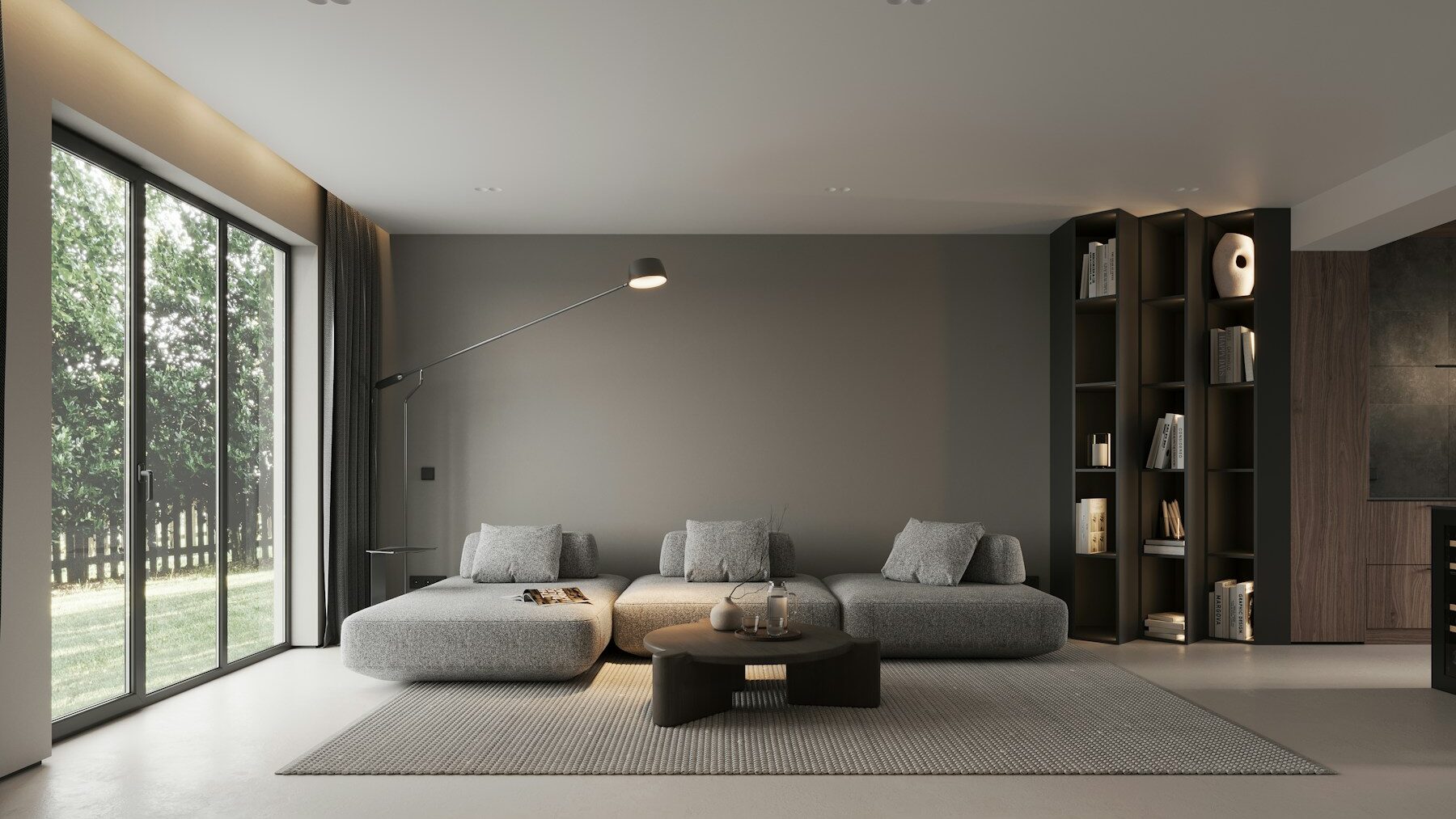
Buy well: the bed and mattress, the sofa, the dining table and chairs, and the wardrobes if the unit lacks built-ins. Tenants judge on these and they take the most punishment.
Buy adequately: side tables, lamps, curtains, rugs, a television and a basic kitchen pack.
Skip: decorative items, artwork beyond the minimum, anything fragile, anything white, and anything that will date in two years. Also skip the temptation to furnish to your own taste rather than to the market's.
Photograph and inventory everything at handover to the tenant, with condition noted. Furnished lets generate more deposit disputes than unfurnished ones, and the inventory is what resolves them.

Where Furnishing Definitely Pays
Short-term lets. Non-negotiable. The furniture is the product, and the payback is measured in months rather than years, subject to a DTCM holiday home permit and the building's rules.
Studios and one-bedrooms in districts with a transient professional tenant base.
Buildings with heavy new supply, where a furnished unit differentiates against forty identical listings.
High-end units, where the tenant expects a turnkey property and an unfurnished listing narrows the market sharply.
Where It Does Not
Family units of three bedrooms and above. Families relocating usually ship or buy their own furniture and stay longer, so the premium is smaller and the furniture wears harder.
Districts with low vacancy where an unfurnished unit lets in two weeks regardless.
Where the capital would be better deployed elsewhere. AED 45,000 into furniture is AED 45,000 not available for the next deposit.
Frequently Asked Questions
How much does it cost to furnish an apartment in Dubai?
Realistically AED 25,000 to 40,000 for a studio, AED 35,000 to 60,000 for a one bedroom and AED 55,000 to 90,000 for a two bedroom at mid-market standard, excluding white goods which are usually already installed.
How much more rent does a furnished apartment get in Dubai?
Typically 10% to 20% more than the same unit unfurnished. Beyond that, additional spend on specification rarely translates into additional rent.
Is it worth furnishing a rental property in Dubai?
It is worth it for studios and one-bedrooms, short-term lets, high-end units and buildings competing against heavy new supply. It is marginal for family units and in districts where unfurnished stock lets quickly.
How long does rental furniture last in Dubai?
Four to six years for mid-market furniture in a long-let apartment, less in a short-let where turnover is constant. Budget replacement into the return rather than treating it as a one-off cost.
Should I furnish a property for short-term rental?
Yes. For holiday homes the furniture is the product and the payback period is short, but confirm you can obtain a DTCM permit and that the building's rules allow short-term letting first.
Do furnished lets cause more deposit disputes?
Yes. A dated, photographed inventory signed at handover is the single most effective protection and should be treated as part of the tenancy paperwork rather than an afterthought.
The Short Version
Furnishing buys you 10% to 20% more rent and, more importantly, fewer empty weeks and a wider tenant pool. The rent premium roughly pays for the furniture over its life, so the decision turns on vacancy risk rather than on the uplift. Furnish studios, one-bedrooms and short-lets. Think twice on family units. Buy durable, skip decorative, and inventory everything.
Costs and rent premiums are indicative of the market at the time of writing in September 2026 and vary by district, building and specification. Confirm current figures with a licensed agent.