Every other master community in Dubai sells you a render. Expo City sells you something stranger: a district that was built to a deadline, used by twenty-four million visitors, and then handed its first residents the keys to a neighbourhood that was already complete.
The parks exist. The Metro station exists. Al Wasl Plaza, Terra, Alif and Garden in the Sky are standing, finished and operating. That is close to unique in a city where buying into a new community normally means living on a construction site for four years.
What a buyer is really assessing here is whether a district designed as an exhibition becomes a district that works as a home. The infrastructure answer is yes. The market answer is still being written.
Where It Is, and What That Costs You
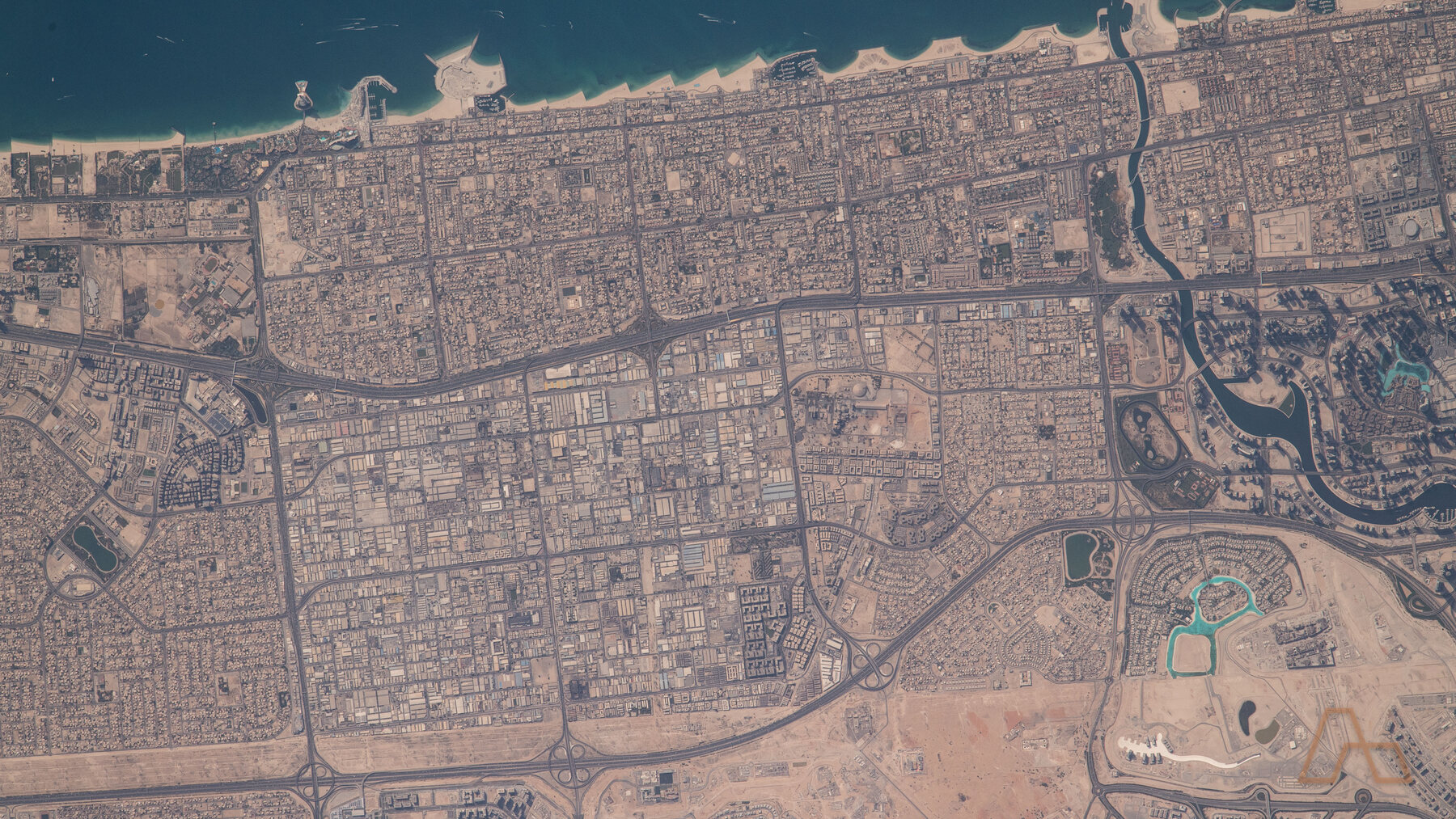
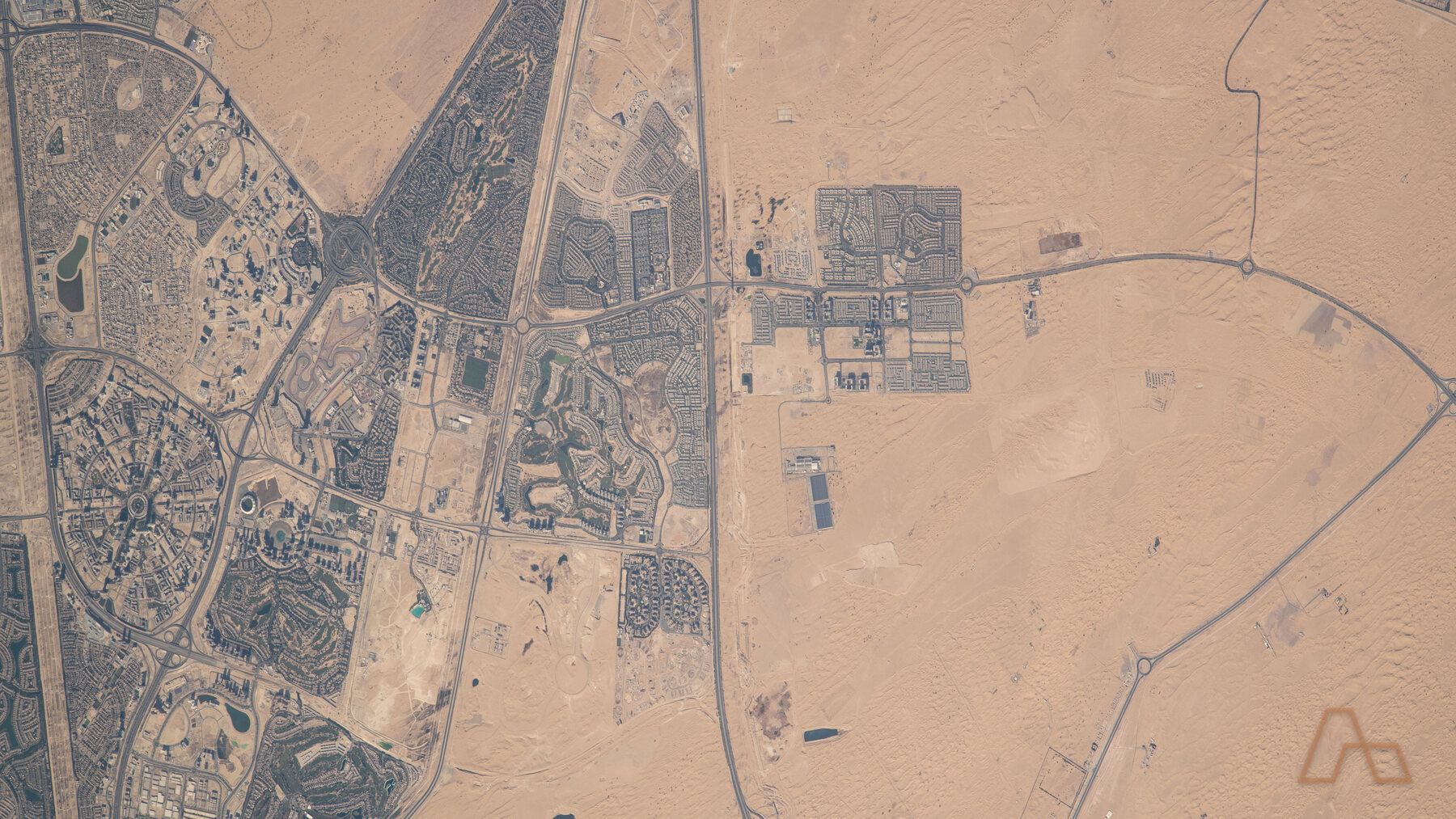
Expo City sits inland in Dubai South, beside Al Maktoum International Airport, at the far end of the Metro's Route 2020 extension.
| Destination | Typical drive |
|---|---|
| Al Maktoum International Airport | about 10 minutes |
| Dubai Marina and JBR | about 30 minutes |
| Downtown Dubai | about 35 minutes |
| Dubai International Airport | about 45 minutes |
| Jebel Ali and the industrial corridor | about 15 minutes |
The community has its own Metro station, Expo City, on Route 2020 off the Red Line — a genuine advantage inland, and one that Arabian Ranches, Tilal Al Ghaf and most villa communities cannot claim.
What you give up is the coast and the established centre. There is no beach walk, no marina, and a trip to Downtown is a commitment rather than an errand. That is the standing trade of every inland Dubai district, and Expo City asks it in a slightly sharper form because it is further out than Arjan or JVC.
The compensating bet is Al Maktoum. Dubai has committed to expanding it into the emirate's primary airport, and Expo City is next door. If that build-out proceeds on anything like the stated ambition, the location logic changes substantially — and the people best placed to benefit are the ones who bought before it did.
The Legal Position, Stated Honestly
This is the part of an Expo City guide that deserves more care than it usually gets.
Expo City was established by Law No. 14 of 2022, issued in July 2022, which created the Expo City Dubai Authority as a public authority wholly owned by the Government of Dubai, with its own legal personality and financial autonomy. The law gives the Authority broad powers inside the district, including to:
- determine land and real property use within Expo City, and allocate it for residential, commercial, educational, health, tourist and other uses, in line with the emirate's urban master plan and the legislation in force
- license, regulate and supervise all construction works performed within Expo City
- register and license companies within its Free Zone, and separately within its Administrative Zone
- possess, own, lease and manage property, and dispose of it by sale, lease or mortgage
Note what that list does not contain. Law 14 of 2022 does not establish a real property register for individual owners, and it does not mention the Dubai Land Department at all. The Authority's property powers in the law are about its own holdings and about land use allocation, not about issuing title to buyers.
In practice, Expo City residential units are sold freehold to all nationalities and buyers do receive a DLD-issued title deed, with the first freehold residential sales launched in 2023. So the practical pathway plainly works. But the published legal instruments do not lay it out as cleanly as they do for the designated freehold areas elsewhere in Dubai, and we have not been able to locate a published decree adding Expo City to that designated list.
The sensible conclusion is not alarm — it is that this is a district whose governance is genuinely novel, sitting under its own authority with its own free zone, and that a buyer should have their conveyancer confirm the registration route and the title in their own name rather than assuming it mirrors Dubai Marina. Ask for the title deed, not the brochure.
What There Is to Buy
Residential supply is still thin, which is the single most important fact about the market here.
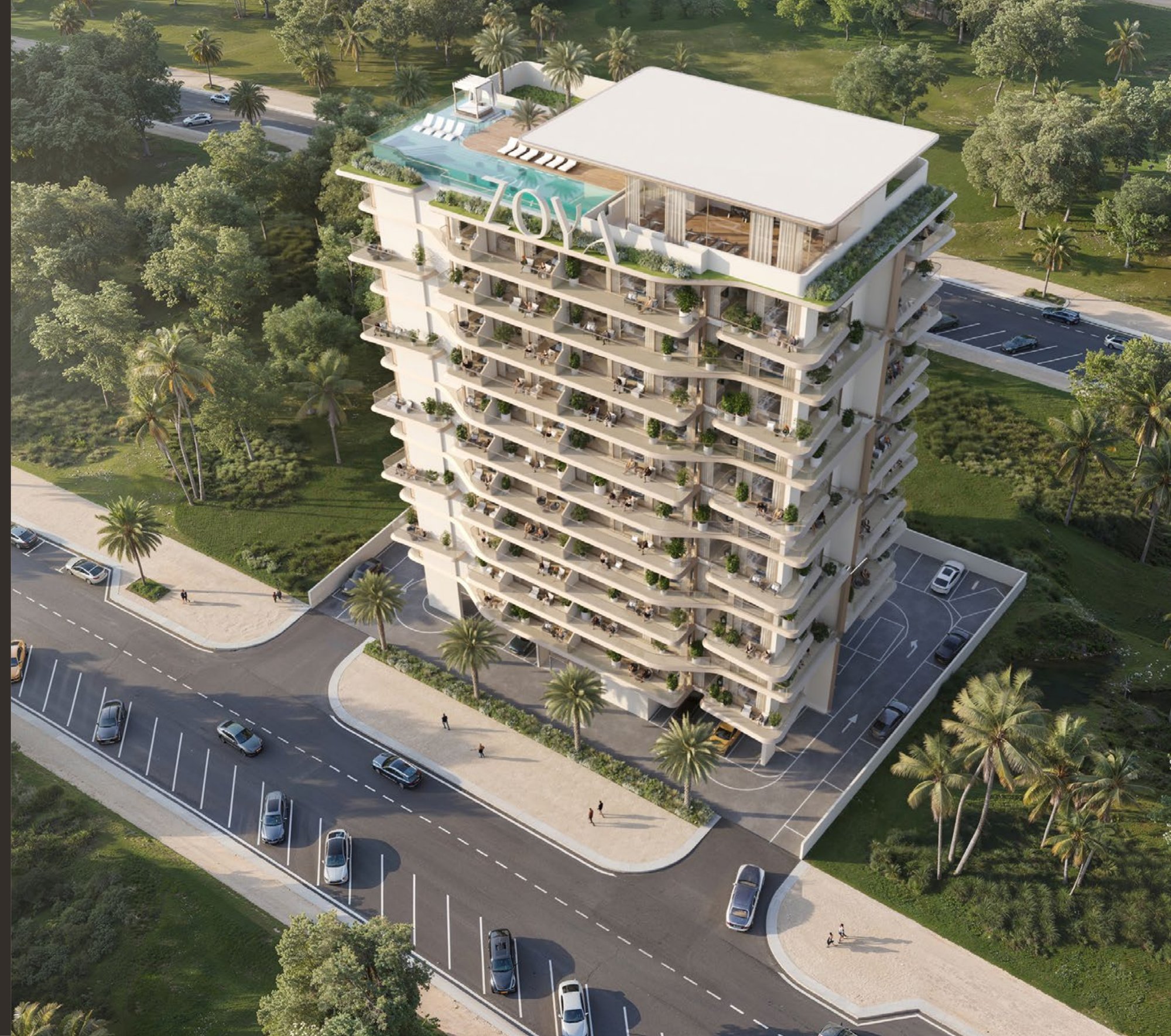
Mangrove Residences is the anchor project: one to four bedroom apartments plus townhouses, ranging roughly from 969 to 4,084 square feet, launched from around AED 1.3 million for a one bedroom and running past AED 6 million for the larger four bedroom lofts. Completion has been tracking to around the first quarter of 2026.
The payment structures have been unusually generous, including a 10/35/5/50 split and a flat 50/50 with half the price falling after handover across a post-handover period of up to five years. Post-handover plans of that length transfer real risk from buyer to developer, and they are one of the more concrete reasons to look here rather than at a comparable inland community.
What that thin supply means for you:
- Resale comparables are scarce. Valuing a unit means working from a handful of prints rather than a liquid market. That cuts both ways — mispricing is possible in both directions.
- The rental market is tied to the commercial tenants. Expo City's letting demand depends heavily on the organisations occupying its office and exhibition space. That is a narrower and more concentrated demand base than Marina's, and worth understanding before assuming a yield.
- You are early, with the costs of being early. Fewer shops, fewer schools nearby, and a community still filling in — against a built environment that is already finished and genuinely good.
The Thing It Does Better Than Anywhere Else
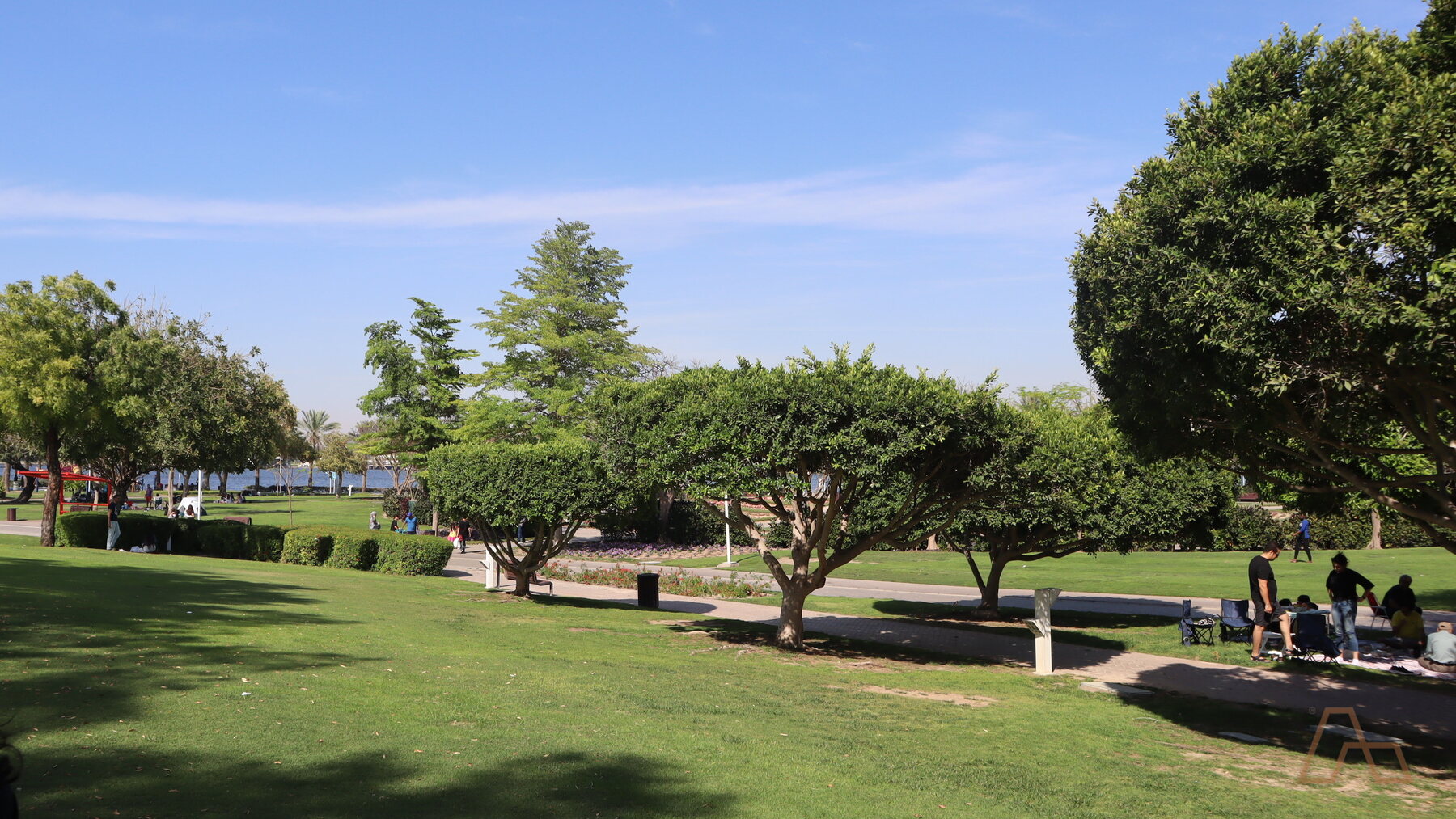
Expo City was designed around walking, shade and public space before it was designed around cars, and because it was built as one piece to one brief, that intent actually survived into the finished product.
The district is largely car-light at its core, the walking routes are shaded, and the public realm — plazas, parks, the Al Wasl dome — is at a scale no residential developer would ever fund on its own. It also carries the sustainability credentials through from the Expo build, with Terra as the standing exhibit.
For a family with young children, or anyone who has spent a Dubai August working out how far they can walk, that is not a soft amenity. It is the main product.
Who It Suits
- Aviation and logistics workers. If your job is at Al Maktoum, Jebel Ali or in the logistics corridor, nowhere else in Dubai puts you this close to it with a Metro connection and finished parks.
- Long-horizon investors. The thesis is Al Maktoum's expansion and the district's standing as one of the five urban centres in the 2040 plan. That is a ten-year bet, not a two-year flip.
- Buyers who want new-build without the building site. This is the rare case where the community around your unit is already done.
And who it does not suit: anyone whose daily life is in Downtown, DIFC or the Marina, anyone who needs the beach, and anyone who needs to sell inside three years into a market with few comparables.
Questions Buyers Ask
Can foreigners buy freehold property in Expo City Dubai?
Yes. Residential units at Expo City are sold freehold to UAE nationals, residents and non-resident foreign buyers, and purchasers receive a title deed issued by the Dubai Land Department. Because the district sits under its own authority created by Law 14 of 2022, it is worth having your conveyancer confirm the registration route and inspect the title in your name on completion.
Is Expo City a good investment in 2026?
It is a long-horizon one. The case rests on Al Maktoum International's expansion next door and Expo City's designation as one of the five urban centres in the Dubai 2040 Urban Master Plan. Against that, supply is thin, resale comparables are few and rental demand is concentrated in the district's commercial occupiers. Treat it as a ten-year position rather than a short hold.
How far is Expo City from Downtown Dubai?
Roughly thirty-five minutes by car in normal traffic, and reachable on the Metro's Route 2020 with a change. It is one of the more inland residential districts in Dubai, and the commute is the main trade-off against the price and the finished public realm.
What is actually built in Expo City already?
The whole public district. Al Wasl Plaza, the Terra sustainability pavilion, Alif, Garden in the Sky, the parks and the Metro station are all standing and operating, having been built for Expo 2020. Residential delivery is the part still in progress, led by Mangrove Residences.
Does Expo City have its own schools and shops?
Not yet at the density of an established community, and this is the honest weak point. The district has retail and food outlets serving visitors and office workers, but a family moving in now should check school options and daily shopping against their actual routine rather than against the master plan.
The Short Version
Expo City is the inverse of a normal Dubai off-plan purchase: the neighbourhood is finished and the market is not. The public realm is better than anything a residential developer would build, the Metro connection is real, and the long-term case is next door at Al Maktoum.
The risks are supply depth, resale liquidity and a governance structure that is genuinely new. None of those is a reason to stay away. All of them are reasons to read the title deed rather than the render.