The Dubai 2040 Urban Master Plan is quoted in almost every off-plan pitch in the city, usually as proof that whatever is being sold sits in the path of progress. That is not what it is. It is a statutory planning framework launched in March 2021, and read properly it is the single best public indicator of where Dubai intends to put infrastructure money for the next fifteen years.
Which makes it useful, and makes the way it is normally used misleading. A master plan tells you where density, transport and public space are going. It does not tell you what any particular building will be worth, and nothing in it is a price forecast.
Here is what it actually says, and the one distinction inside it that changes how an investor should read a location.
The Numbers the Plan Commits To
| Measure | 2020 baseline | 2040 target |
|---|---|---|
| Resident population | 3.3 million | 5.8 million |
| Daytime population | 4.5 million | 7.8 million |
| Residents inside the five urban centres | — | 60% of the total |
| Public beach length | — | up to 400% increase |
| Hotel and tourism area | — | 134% increase |
| Nature reserves and rural natural areas | — | about 60% of the emirate's area |
Green and recreational space is targeted to roughly double. You will see that figure quoted variously as 55%, 105% and "doubled" depending on the source and on which category is being counted, so treat the precise percentage with care and the direction as settled.
The population figure is the one that matters most to property. Going from 3.3 to 5.8 million residents is not a gentle trend — it is a requirement for an enormous volume of new housing, and it is the arithmetic underneath most credible long-term demand arguments for Dubai real estate.
The Five Urban Centres, and the Distinction Nobody Draws
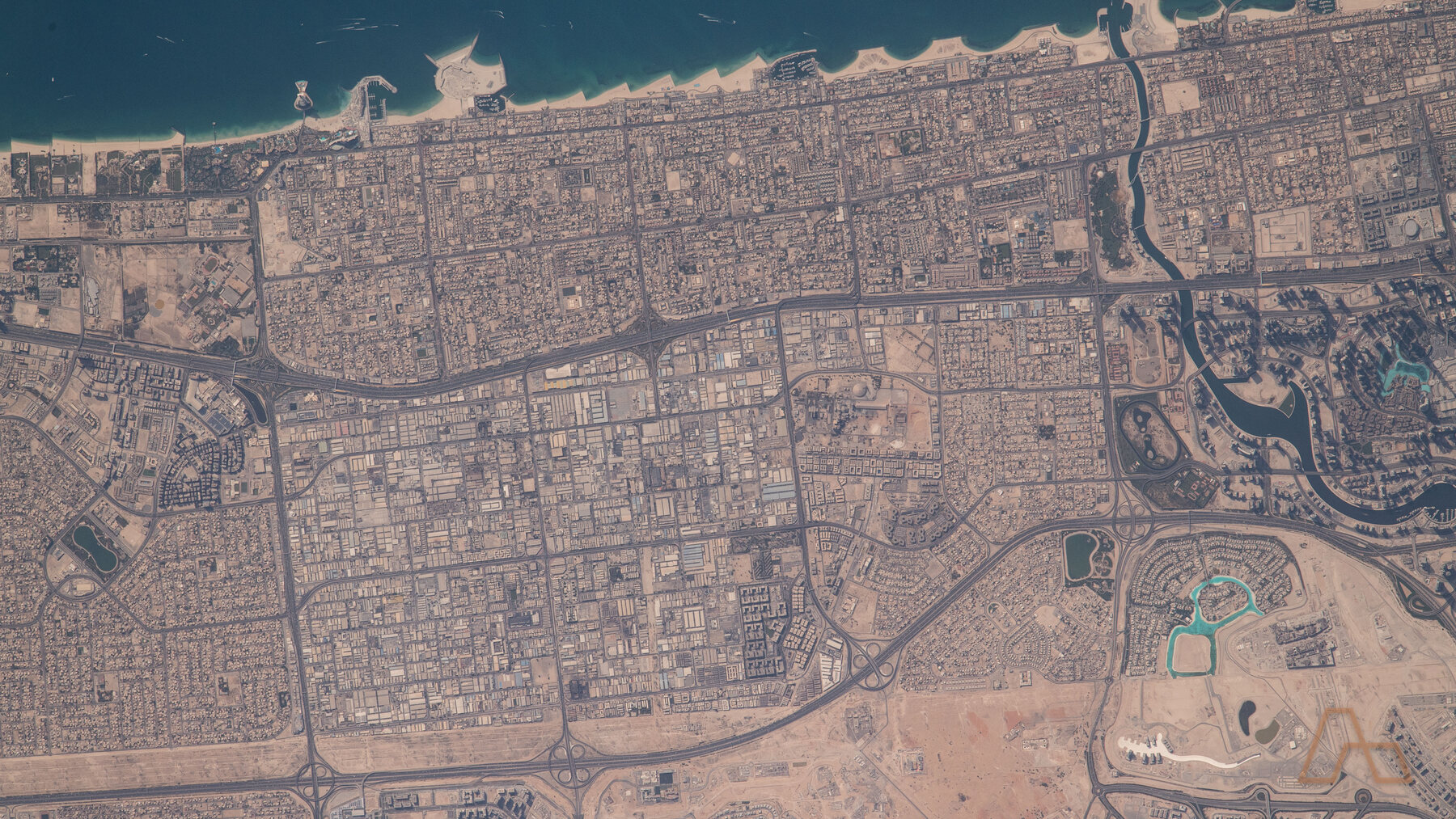
The plan concentrates development into five urban centres and intends 60% of residents to live in them. They are usually listed as a flat set of five. They are not a flat set — they fall into three quite different categories, and the difference is the whole investment insight.
Two are already finished and are being consolidated. Downtown with DIFC, and Dubai Marina with JBR. The plan's work here is intensification and public realm, not transformation. These are the lowest-risk, lowest-upside locations in the framework: already priced, already liquid, already the places everyone names.
One is a new build. Expo City, which existed as an exhibition site and is being turned into a residential and commercial district. Finished public infrastructure, thin residential supply, and a long horizon tied to Al Maktoum International next door.
Two are regeneration projects, and this is where the plan asks for the most change. Deira with Bur Dubai, and Dubai Silicon Oasis with Dubai Academic City. These are established, dense, somewhat tired districts that the plan designates as future centres of heritage and culture, and of knowledge and academia, respectively.
Regeneration is where planning frameworks have the largest effect on property values, because the gap between what a district is and what the plan intends is widest. It is also where they are slowest and least certain. Both things are true at once, and anyone quoting the 2040 plan at you should be able to say which of the three categories their location falls into.
The Twenty-Minute City
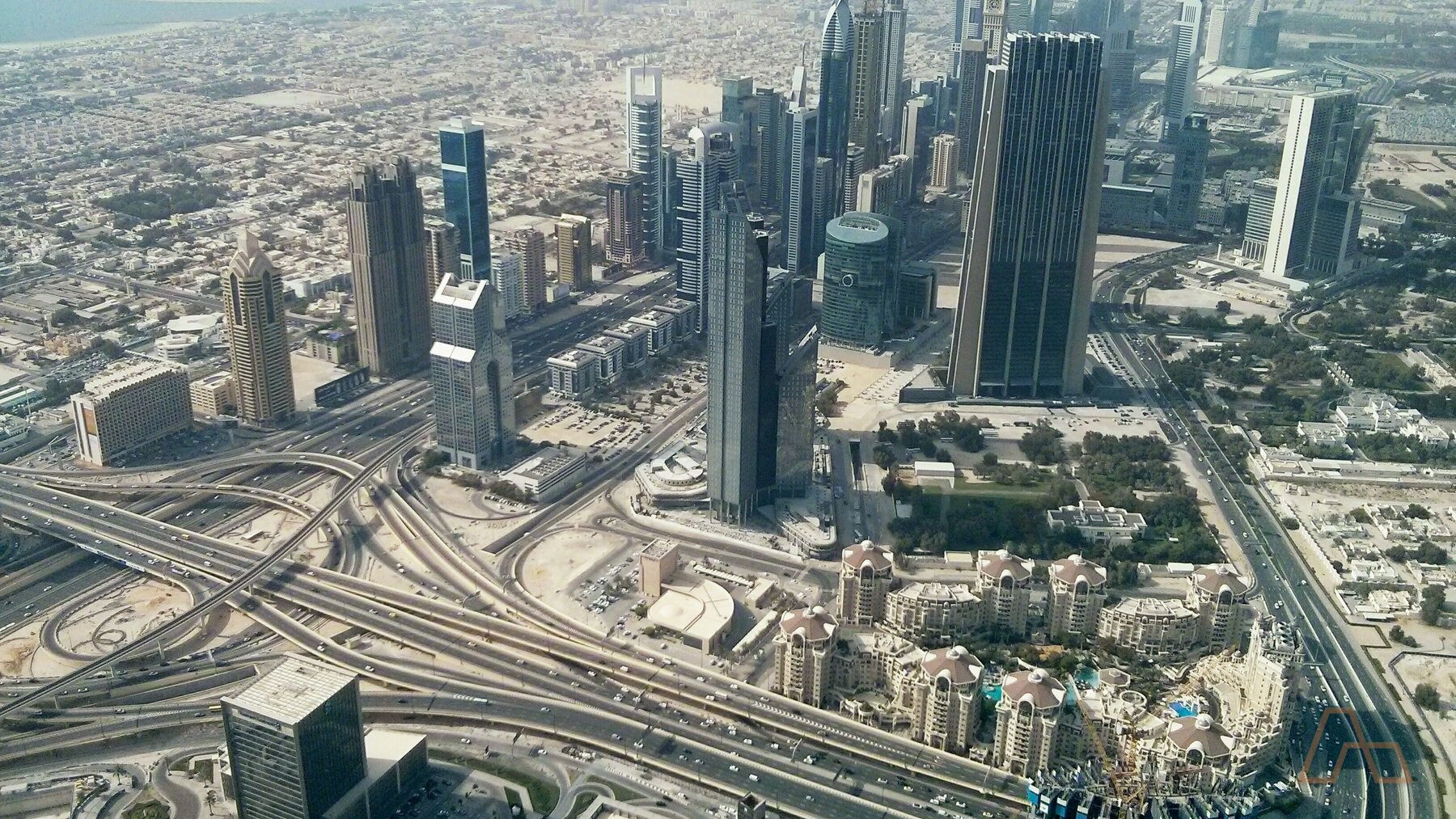
The organising idea behind the plan is that a resident should be able to reach 80% of their daily needs — school, clinic, groceries, work, park — within a twenty-minute walk or cycle.
That is a specific planning commitment with specific property consequences. It pushes toward mixed use rather than single-use zoning, toward density around transit rather than sprawl, and toward walkability in a city that has spent forty years building around the car.
For a buyer, the twenty-minute test is a genuinely useful filter and you can apply it today without reference to 2040: stand at the building and count what you can reach on foot in twenty minutes. Districts that already pass — JLT, parts of the Marina, Downtown, Deira — are doing something the plan is trying to engineer everywhere else. Districts that fail badly are relying on the plan to fix them, which is a longer and less certain bet.
What the Plan Means for Deira and Bur Dubai
Of everything in the framework, the designation of Deira and Bur Dubai as one of the five centres is the item that would most change how Dubai property is priced if it is delivered.
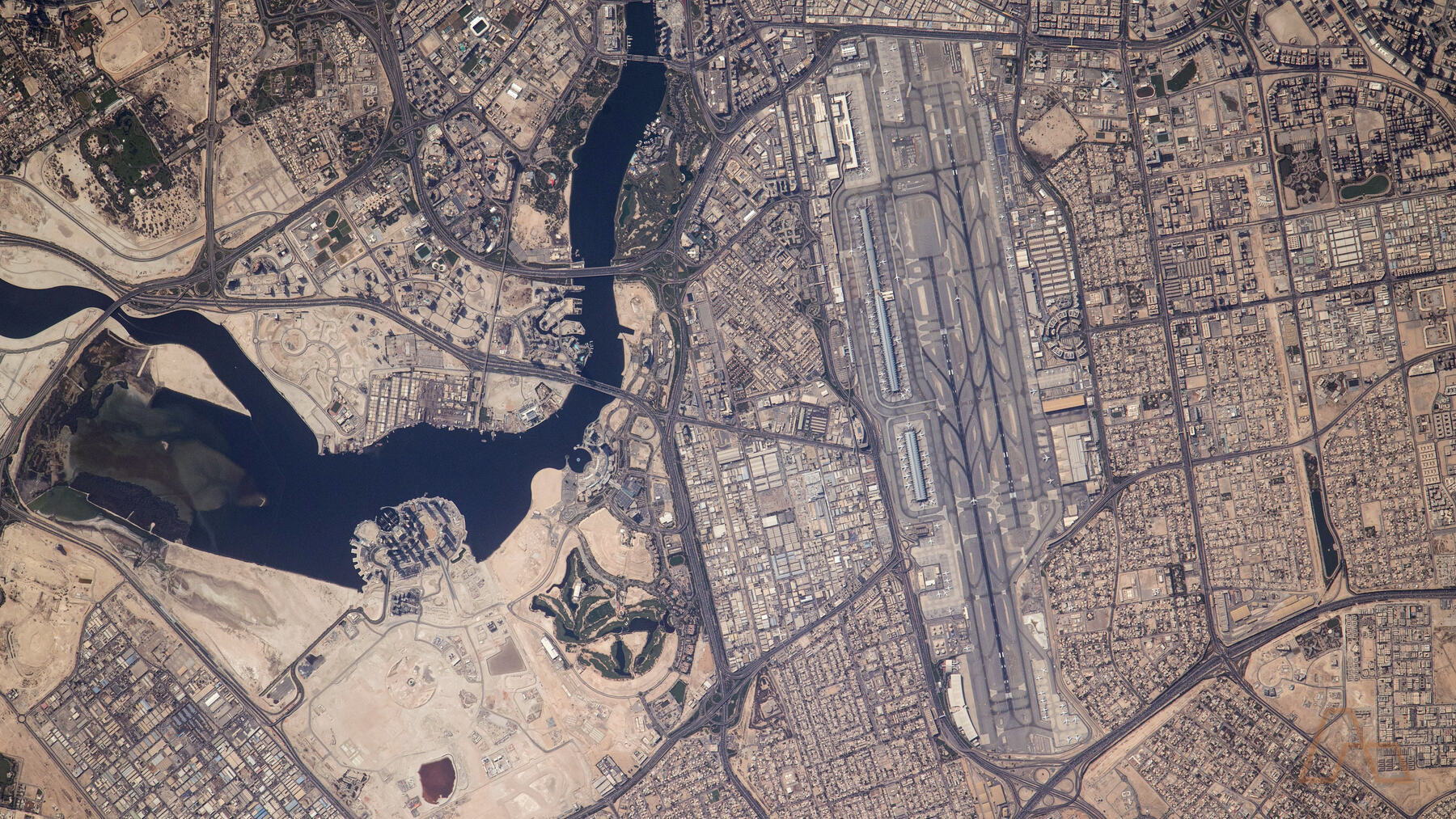
These are the oldest parts of the city. They have the Creek, the souks, the wind towers, genuine street life and a density the newer districts have never achieved — alongside ageing building stock, constrained parking and a rental market that sits well below the city average. The archive's Deira guide covers what buying there currently looks like.
The plan's bet is that heritage plus density plus waterfront, properly invested in, produces one of the most desirable districts in the emirate. That is a reasonable bet. It is also a fifteen-year one, dependent on sustained public investment, and an investor buying old Deira stock today on the strength of a 2040 designation should be clear that they are underwriting the timeline personally.
How to Use It, and How Not To
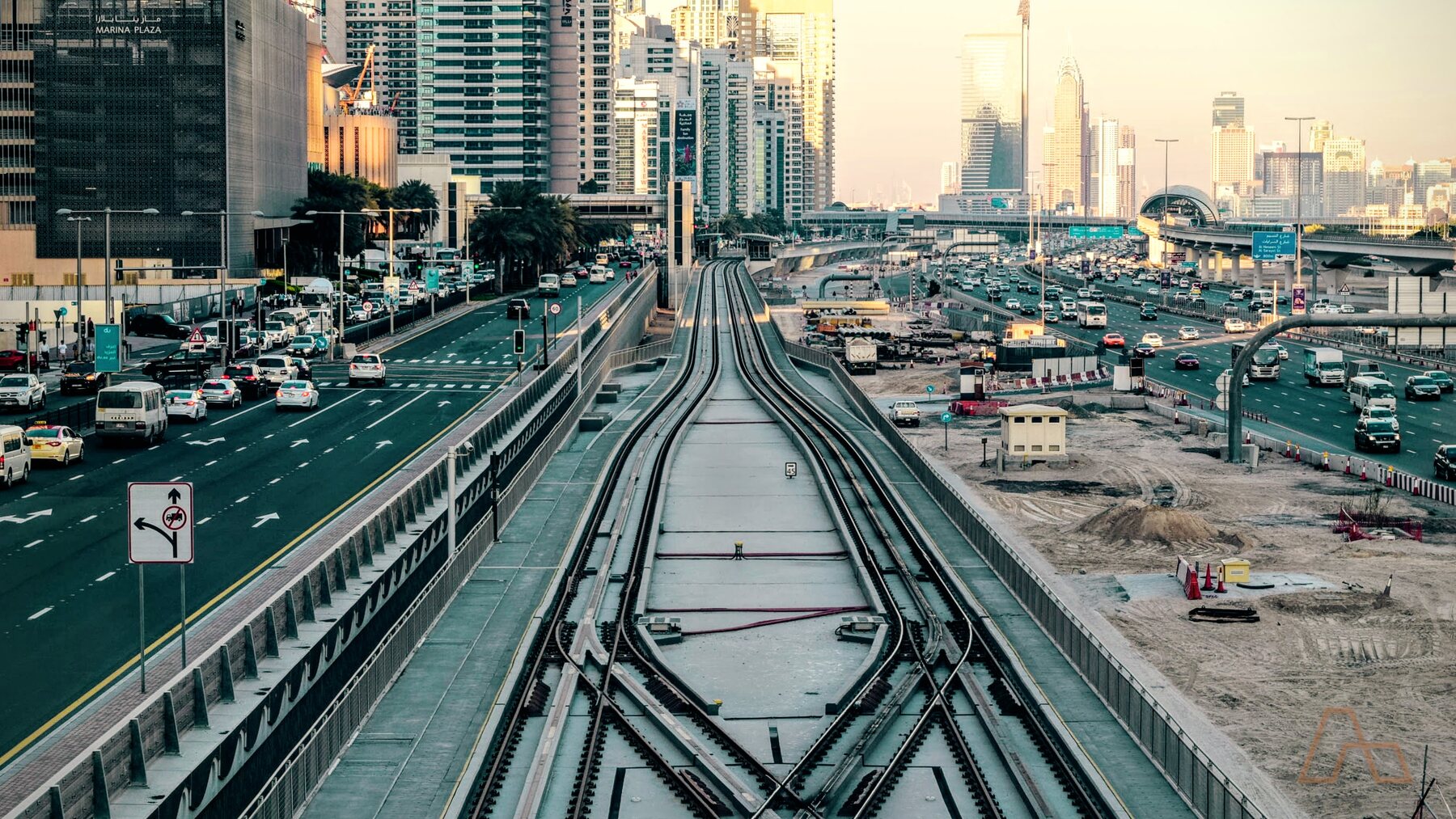
- Do use it to understand transport. Metro extensions, the Blue Line and road capacity are the most concrete, most funded and most reliably delivered parts of any master plan. Transport changes commute times, and commute times change prices.
- Do use it as a filter on new supply. A development inside a designated urban centre, on a transit line, in a district the plan wants densified, is aligned with where public money is going. One in the opposite direction is relying on something else.
- Do not treat a designation as a return. "In the 2040 plan" is true of enormous parts of the emirate and is not, by itself, an investment case. Ask what specifically is funded, and by when.
- Do not confuse a plan with a schedule. Targets for 2040 are targets. Delivery to date is partial, which is normal at the five-year mark of a twenty-year framework, and the right response is to discount the timeline rather than the direction.
A plan is a statement of intent backed by a budget. In Dubai that intent has a better delivery record than most cities can claim — the Metro, the Expo site and the Marina all exist. But the honest version is still that you are being told where the city wants to go, not when you will be paid for believing it.
The Costs That Do Not Change
Whatever the plan does to a district, the transaction arithmetic stays the same, and it is what any long-horizon thesis has to clear first. Dubai's round trip is roughly 8.7% — about 6.5% to buy with cash, nearer 9% with a mortgage, and about 2.2% to sell.
| Item | Typical figure |
|---|---|
| DLD transfer fee | 4% of price |
| Agency commission | 2% plus 5% VAT |
| Trustee office fee | AED 4,000 under 500k, AED 4,200 above |
| DLD admin fee | AED 580 |
| Mortgage registration, if financed | 0.25% of loan plus AED 290 |
On a 1.5 million dirham purchase that is about AED 97,780 in buying costs. A fifteen-year thesis absorbs that comfortably. A three-year flip predicated on a master plan designation often does not.
Questions Investors Ask
What are the five urban centres in the Dubai 2040 plan?
Downtown with DIFC, Dubai Marina with JBR, Expo City, Deira with Bur Dubai, and Dubai Silicon Oasis with Dubai Academic City. The plan intends 60% of Dubai's residents to live within them by 2040. The first two are established districts being consolidated, Expo City is a new build, and the last two are regeneration areas where the plan asks for the greatest change.
Does being in the Dubai 2040 Urban Master Plan increase a property's value?
Not on its own. The designation covers very large parts of the emirate, so it is not a differentiator. What moves value is specific funded infrastructure — a Metro station, a road capacity upgrade, a new public beach — and the right question about any location is which of those is committed and when, not whether the district appears in the plan.
What is the Dubai 2040 population target?
The plan targets 5.8 million residents by 2040, up from 3.3 million in 2020, and a daytime population of 7.8 million, up from 4.5 million. That growth is the core of most long-term housing demand arguments for Dubai, because accommodating it requires a very large volume of new homes.
What is the twenty-minute city in the Dubai plan?
The principle that a resident should reach around 80% of daily needs within a twenty-minute walk or cycle. It pushes the city toward mixed-use, transit-oriented density. It is also a filter you can apply to any building today by simply counting what is reachable on foot.
Is Deira a good investment because of the 2040 plan?
It is the plan's most interesting designation and its longest timeline. Deira and Bur Dubai have density, the Creek and genuine street life alongside ageing stock and below-average rents. The upside if the regeneration is delivered is substantial; the delivery horizon is fifteen years and depends on sustained public investment. Buy it for the current yield and treat the regeneration as optionality, not the other way round.
The Short Version
Read the 2040 plan as a map of where infrastructure money is going, and the five urban centres as three different kinds of bet rather than one. The population target is the real demand argument. The twenty-minute city is a filter you can use this afternoon.
What it is not is a reason to pay more for a specific building today. The round trip still costs about 8.7%, and no planning document shortens that.