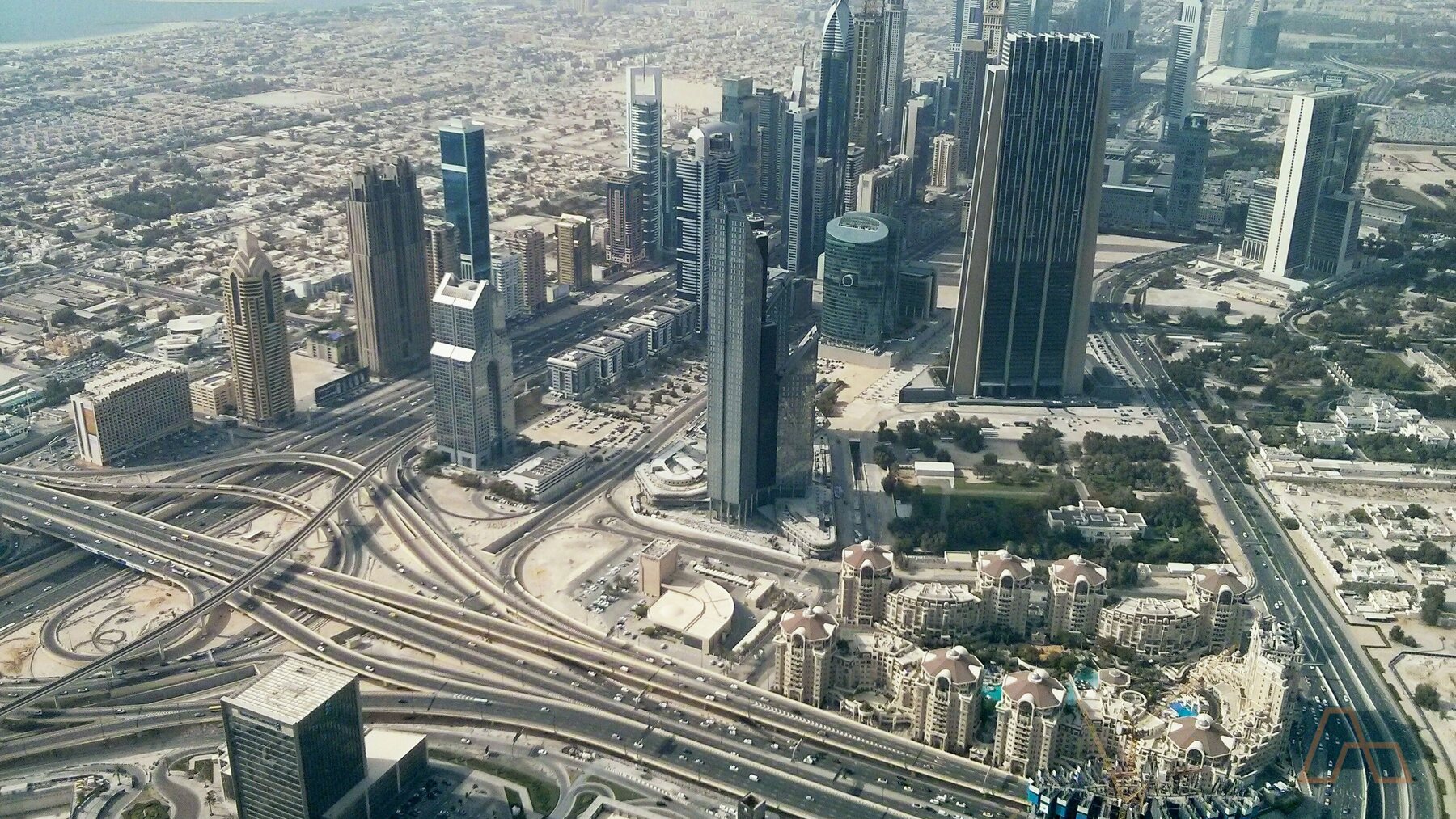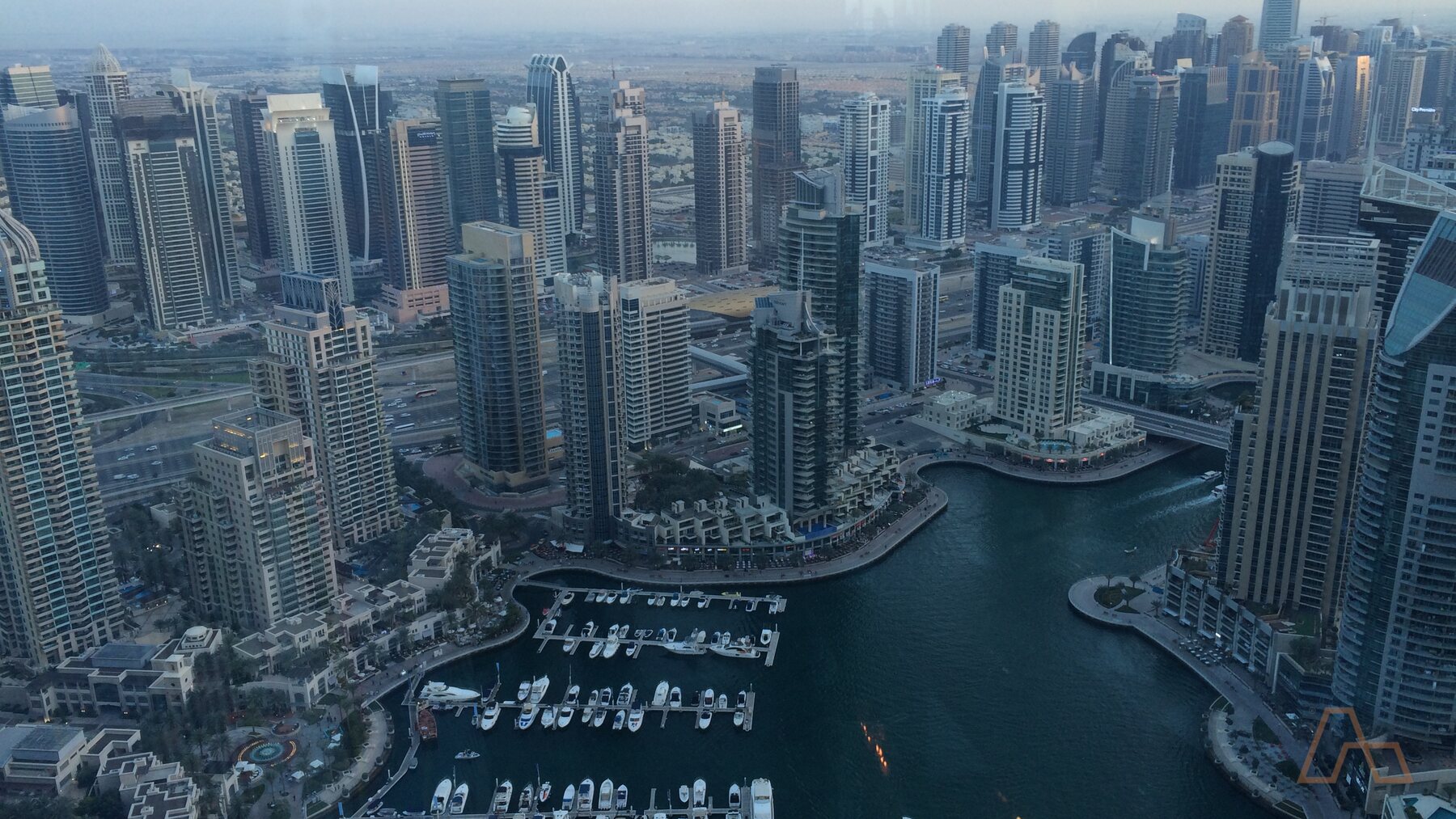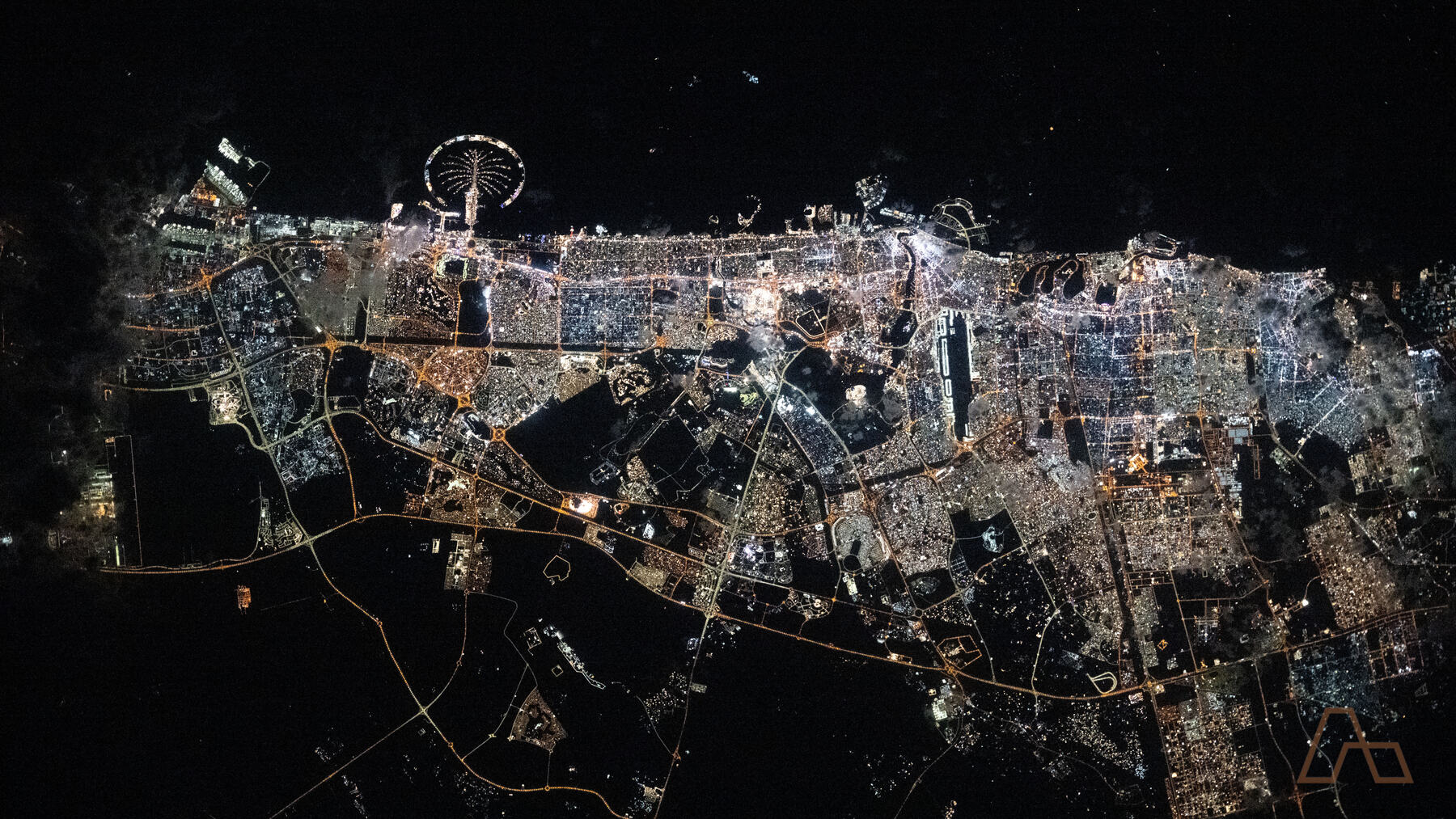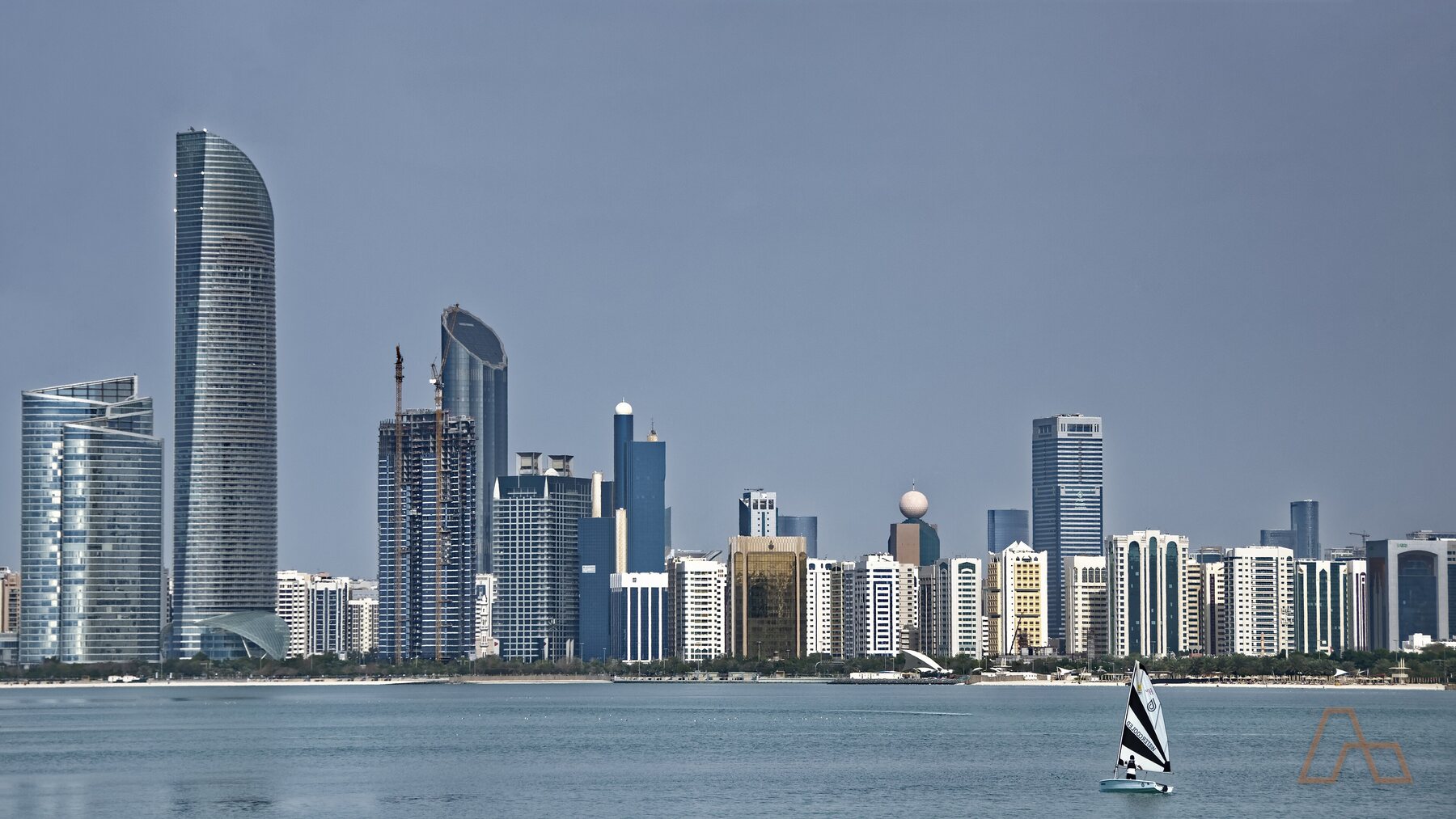
For most of the last decade this was not a difficult comparison. Dubai was the deep, liquid, internationally traded market, and Abu Dhabi was the larger and wealthier emirate with a quieter property sector that foreigners mostly ignored.
In 2026 that relationship inverted, and the headline numbers now point in opposite directions. Anybody deciding between the two on the basis of a 2023 article is working from a different market.
The Headline: Which Market Is Growing Faster in 2026?
Abu Dhabi, by a wide margin, and this is the single most important change.
CBRE measured Abu Dhabi residential prices up 21.6% year on year in the second quarter of 2026, with apartments up 24.4% and villas up 6.3%. Over a comparable period it measured Dubai prices up only 1.9%, and by August 2026 Dubai's citywide average had turned negative at minus 1.7% year on year, the first annual decline since February 2021.
Abu Dhabi's volumes grew to match. ADREC counted AED 75 billion of deals across its 50 investment zones in the first half of 2026, up 181% on a year earlier, with H1 2026 total transactions above AED 117 billion. Q3 2026 recorded 6,691 sales worth AED 32.58 billion at a median of about AED 1,797 per square foot.
Dubai remains far larger in absolute terms: 36,738 transactions worth AED 90.62 billion in Q3 2026 alone. But the growth rate has changed hands.
Where Can Foreigners Actually Buy?
This is the structural difference that most comparisons skip, and it matters more than any price chart.
In Dubai, non-UAE nationals may own freehold in the designated areas defined under Regulation No. 3 of 2006, and those areas now cover a very large share of the emirate's residential stock, including nearly everything built for the international market in the last twenty years.
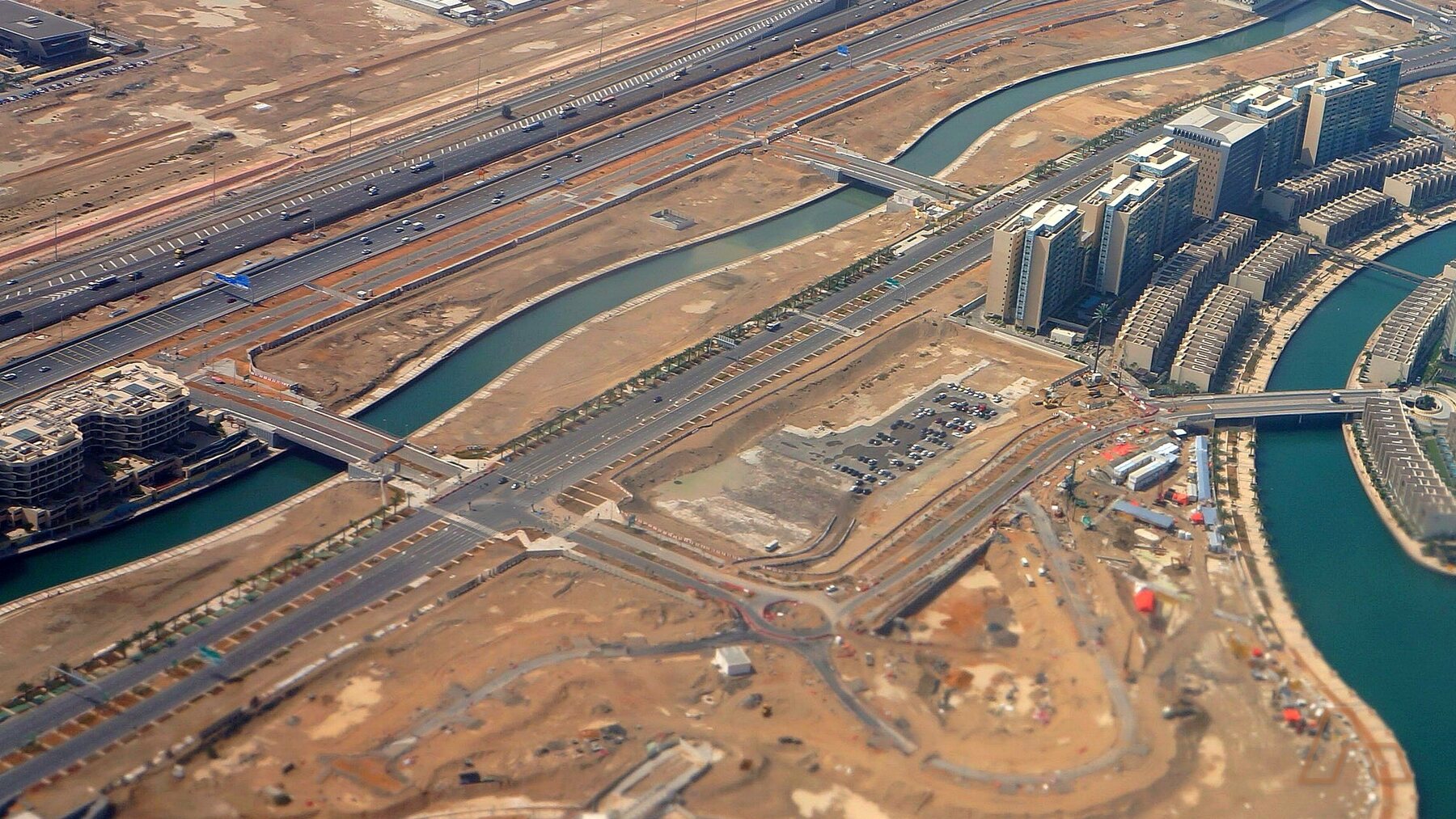
In Abu Dhabi, foreign freehold is confined to designated investment zones, opened to full foreign freehold ownership by Law No. 13 of 2019 amending the earlier regime. ADREC counted 50 such zones in the first half of 2026. The familiar ones are Saadiyat Island, Yas Island, Al Reem Island, Al Raha Beach, Al Maryah Island and Hudayriyat.
The practical effect is that Abu Dhabi offers a foreign buyer a narrower menu. You are choosing among a defined set of masterplanned districts rather than across a whole city. That concentrates demand into those zones, which is part of why prices there have moved so hard.
What Does It Cost to Buy in Each?
Abu Dhabi is meaningfully cheaper to transact in, and the difference is not marginal.
| Cost | Dubai | Abu Dhabi |
|---|---|---|
| Government transfer fee | 4% of price plus AED 580 admin | 2% of price |
| Registry | Dubai Land Department | Abu Dhabi Real Estate Centre, ADREC |
| Agency commission | 2% plus 5% VAT | 2% plus 5% VAT |
| Typical total cost of buying, cash | about 6.5% | materially lower, driven by the 2% fee |
| Tenancy registration | Ejari | Tawtheeq |
On a AED 2 million purchase the transfer fee alone differs by about AED 40,000. For a buyer planning a short hold that is a real part of the return, and it compounds with the round-trip arithmetic: Dubai's full buy-then-sell cost runs near 8.7% of price.
The 2026 Rent Rule That Changes the Investment Case
This is the finding that should decide the question for an income investor, and it is barely covered outside the UAE.
On 2 June 2026 the Abu Dhabi Real Estate Centre issued a directive setting the annual rent increase cap at 0%. It is a freeze, not a cap in the ordinary sense. It applies to renewals and, on the reported terms, to new contracts on a previously rented unit, which must match the rent recorded in the most recent registered Tawtheeq entry. It is enforced through Tawtheeq itself, which flags any renewal attempting an increase. Contracts fully registered before 2 June 2026 keep their agreed pricing, and Al Maryah Island and Al Reem Island are exempt because they sit under the Abu Dhabi Global Market's own framework rather than ADREC's.
It is described as temporary and in force until further notice, with no published end date. Confirm its current status before relying on it, because a measure of that kind can be lifted as quickly as it was imposed.
Dubai works the opposite way. Decree No. 43 of 2013 and the Smart Rental Index permit an increase at renewal where the existing rent sits below the index by set margins, on a banded scale. That mechanism has kept Dubai renewal rents rising through 2026 — up about 3.4% year on year on apartments and about 10.3% on villas — even as new-contract rents fell about 2.3% and 11.1% respectively.
So in 2026 an Abu Dhabi landlord has capital growth above 20% and a frozen income, while a Dubai landlord has a flat-to-negative capital index and an income that is still allowed to rise on renewal. Those are genuinely different investments, and neither headline tells you which you are buying.
Which Market Yields More?
Abu Dhabi, nominally, with a wider spread. Reported gross yields there run about 5% to 8% across the market, 6.2% to 7.8% in prime waterfront apartment stock, and 8% to 9.5% in the higher-yielding communities such as Al Reef, Al Ghadeer and Masdar City.
Dubai's own range on our district figures runs about 4% in prime villa communities and on Palm Jumeirah to 8% to 10% in Deira, with the inland apartment districts clustered at 7% to 9%.
The ranges overlap more than the headlines suggest, and two cautions apply to both. A gross yield is not a net yield until the service charge is subtracted, and a 2026 yield quoted on an advertised rent is a forecast rather than a measurement. In Abu Dhabi specifically, the 0% directive means a yield cannot be improved by raising the rent on an existing tenant for as long as the freeze holds.

Which Is Easier to Sell?
Dubai, clearly, and this is where its advantage is largest and least likely to change.
Dubai ran 36,738 transactions in a single quarter against Abu Dhabi's 6,691 — roughly five and a half times the volume. Liquidity is not a vanity metric. It determines how quickly you can exit, how wide the bid-ask spread is in a weak market, how many comparable sales exist to support your price, and how much a bank's valuer has to work with.
Dubai also has the deeper international buyer base, a far larger stock of published data, and a resale and off-plan assignment market that functions at scale. An Abu Dhabi investment zone with 20% annual price growth and thin volume carries an exit risk that a Dubai apartment in a liquid district does not.
So Which Should You Buy?
Neither answer is universal, but the cases are clean.
Abu Dhabi suits a buyer attracted by momentum and a lower entry cost, comfortable with a narrower choice of districts, prepared to hold through a thinner resale market, and not relying on rent increases to drive the return while the 0% directive stands. The 2% transfer fee genuinely improves the arithmetic.
Dubai suits a buyer who values liquidity and exit, wants the widest choice of districts and price points, needs a market with enough registered comparables to price and finance against, or wants rental income that can still be increased at renewal under a published index.
And a point that gets lost in the comparison: these are not substitutes an hour and a half apart. They have different tenant pools, different demand drivers and different regulators. Owning in both is a reasonable position for a UAE-focused investor, and it is not the hedge it sounds like, because the two markets have just demonstrated that they do not move together.
The Short Version
In 2026 Abu Dhabi outgrew Dubai: CBRE put Abu Dhabi residential prices up 21.6% year on year in Q2 2026 against Dubai's 1.9%, and Dubai turned slightly negative at minus 1.7% by August. Abu Dhabi's investment zones drew AED 75 billion in H1 2026, up 181%. But foreign freehold in Abu Dhabi is confined to about 50 designated investment zones under Law No. 13 of 2019, while Dubai's designated freehold areas under Regulation No. 3 of 2006 cover most of the international stock. Abu Dhabi's transfer fee is 2% against Dubai's 4% plus AED 580, with ADREC and Tawtheeq in place of the DLD and Ejari. The decisive 2026 difference is rent regulation: ADREC's 2 June 2026 directive froze Abu Dhabi rent increases at 0% until further notice, exempting Al Maryah and Al Reem under ADGM, while Dubai's Decree No. 43 of 2013 and Smart Rental Index kept renewal rents rising. Yields overlap at roughly 5% to 9.5% in Abu Dhabi against 4% to 10% in Dubai. Dubai ran 36,738 transactions in Q3 2026 against Abu Dhabi's 6,691, so liquidity and exit remain decisively Dubai's.
Frequently Asked Questions
01Is Abu Dhabi or Dubai better for property investment in 2026?
They suit different objectives. Abu Dhabi delivered far stronger price growth in 2026, with CBRE measuring residential prices up 21.6% year on year in Q2 against Dubai's 1.9%, and it costs less to enter at a 2% transfer fee against Dubai's 4% plus AED 580. Dubai offers far deeper liquidity, running 36,738 transactions in Q3 2026 against Abu Dhabi's 6,691, a wider choice of districts, and rental income that can still be raised at renewal. Momentum and entry cost favour Abu Dhabi; liquidity, choice and income growth favour Dubai.
02Can foreigners buy freehold property in Abu Dhabi?
Yes, but only inside designated investment zones, which were opened to full foreign freehold ownership by Law No. 13 of 2019. ADREC counted 50 such zones in the first half of 2026, the best known being Saadiyat Island, Yas Island, Al Reem Island, Al Raha Beach, Al Maryah Island and Hudayriyat. This is narrower than Dubai, where the designated freehold areas under Regulation No. 3 of 2006 cover most of the stock built for the international market over the last twenty years.
03What is the property transfer fee in Abu Dhabi compared to Dubai?
Abu Dhabi charges 2% of the purchase price, registered through the Abu Dhabi Real Estate Centre. Dubai charges 4% plus an AED 580 admin fee through the Dubai Land Department. On a AED 2 million purchase that is a difference of about AED 40,000 in government fees alone. Agency commission is 2% plus 5% VAT in both emirates, and tenancy registration runs through Tawtheeq in Abu Dhabi and Ejari in Dubai.
04Is there a rent freeze in Abu Dhabi in 2026?
The Abu Dhabi Real Estate Centre issued a directive on 2 June 2026 setting the annual rent increase cap at 0%, which operates as a freeze. On the reported terms it applies to renewals and to new contracts on previously rented units, which must match the rent in the latest registered Tawtheeq entry, and it is enforced through Tawtheeq itself. Al Maryah Island and Al Reem Island are exempt because they fall under the Abu Dhabi Global Market framework. It is described as temporary and in force until further notice, so confirm its current status before relying on it.
05Which has higher rental yields, Dubai or Abu Dhabi?
Abu Dhabi nominally, with reported gross yields of about 5% to 8% market-wide, 6.2% to 7.8% in prime waterfront apartments and 8% to 9.5% in communities such as Al Reef, Al Ghadeer and Masdar City. Dubai's range runs from about 4% in prime villa communities and on Palm Jumeirah to 8% to 10% in Deira, with inland apartment districts at 7% to 9%. The ranges overlap heavily, and in both markets a gross yield is not a net yield until the service charge is subtracted.
06Which property market is easier to sell in, Dubai or Abu Dhabi?
Dubai, by a wide margin, and this is its most durable advantage. Dubai recorded 36,738 transactions in the third quarter of 2026 against Abu Dhabi's 6,691, roughly five and a half times the volume. Higher volume means faster exits, narrower spreads in a weak market, more registered comparables to price and finance against, and a functioning resale and off-plan assignment market. Thin volume alongside rapid price growth is an exit risk worth pricing.