Buying Near a School in Dubai: How Families Should Choose a Community
In London or New York, the catchment area is the property decision. In Dubai it does not exist. Schools are private, admission is by application and assessment, and where you live does not determine where your child is admitted.
That sounds liberating and mostly is. It also means the decision families think they are making, buying into a catchment, is not the decision in front of them. The real one is: how far are you willing to drive, twice a day, for the next decade?
The School Run Is the Real Constraint
A twenty-minute drive each way, twice a day, is roughly eighty minutes of driving per school day. Over a school year that is around 240 hours. Over ten years it is the equivalent of six months of working weeks spent in a car on Al Khail Road.
Families consistently underweight this at purchase and consistently regret it by year three. The single best thing a family buyer can do is drive the actual route at 7:15am on a weekday before making an offer.
Communities With Schools Inside Them
Some Dubai masterplans include schools within the community, which removes the school run almost entirely. The list changes as new schools open, but the pattern is consistent: the large, planned family communities.
- Dubai Hills Estate, with schools, a mall, clinics and parks inside the masterplan.
- Arabian Ranches and its neighbouring phases, long-established family communities with schools and community centres.
- Town Square, Mudon, Damac Hills and similar masterplans, each with schools inside or immediately adjacent.
- The Springs, Meadows and Lakes cluster, close to established schools in the Emirates Living area.
- Jumeirah, Umm Suqeim and Al Barsha, older districts with a dense concentration of schools nearby rather than inside a gated plan.
Apartment districts such as the Marina, JLT and Business Bay have far fewer schools within them, which is a genuine reason families leave those districts as children reach school age.
Budget: School Fees Versus Property
This is the calculation families skip, and it is usually the one that matters most.
| Item | Typical annual cost |
| Nursery | AED 25,000 to 60,000 |
| Primary, mid-tier school | AED 35,000 to 60,000 |
| Primary, premium school | AED 60,000 to 90,000 |
| Secondary, premium school | AED 80,000 to 120,000 |
| Transport, per child | AED 5,000 to 10,000 |
Two children in a premium secondary school can cost more per year than the mortgage on a AED 4 million villa. A family that buys at the top of its property budget and then discovers the fee schedule has made a sequencing error.
Decide the school first, then set the property budget around what is left. Not the other way round.
What Actually Makes a Community Work for Families
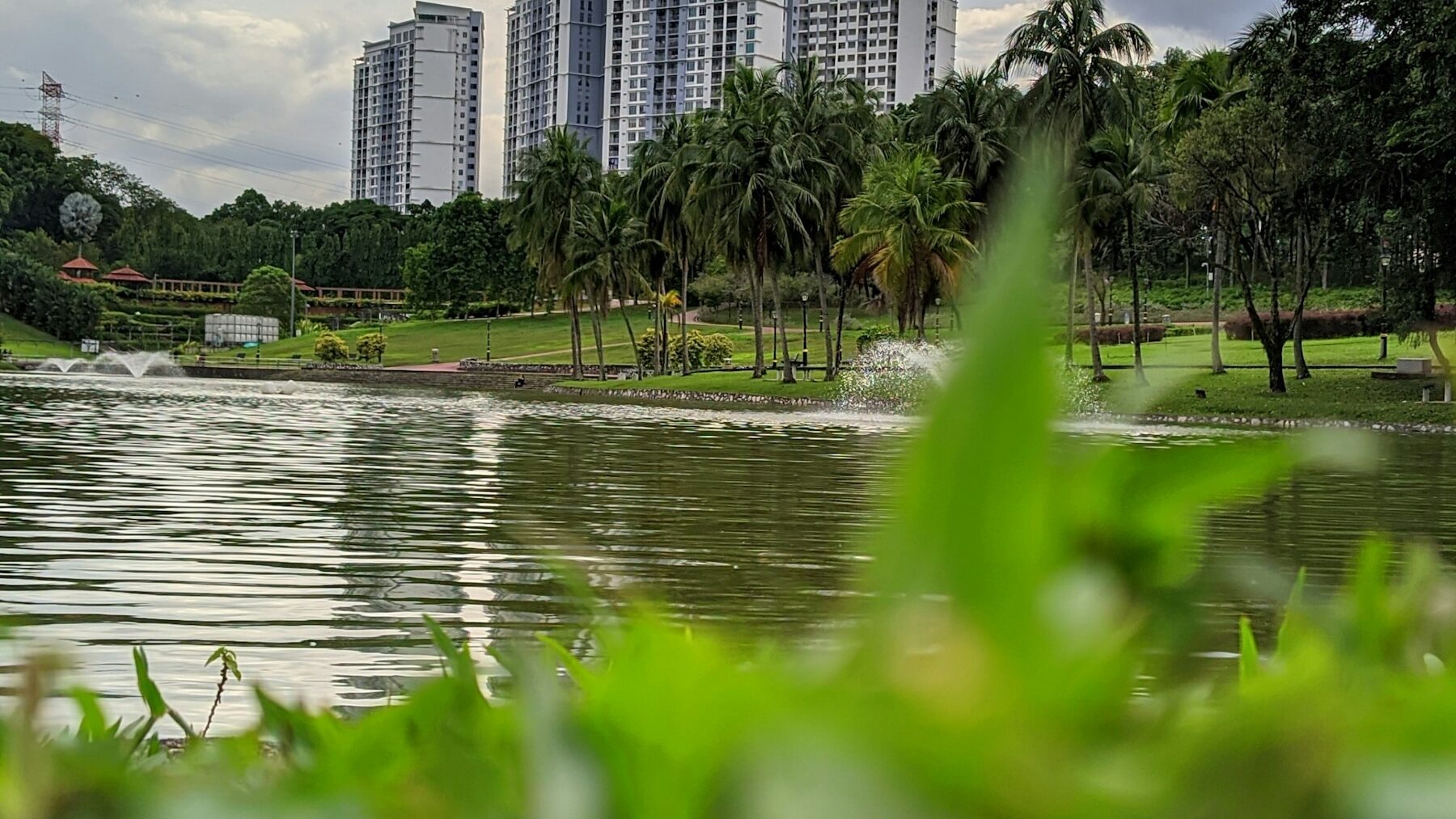
Safe internal streets. Low through-traffic, pavements, and somewhere children can cycle.
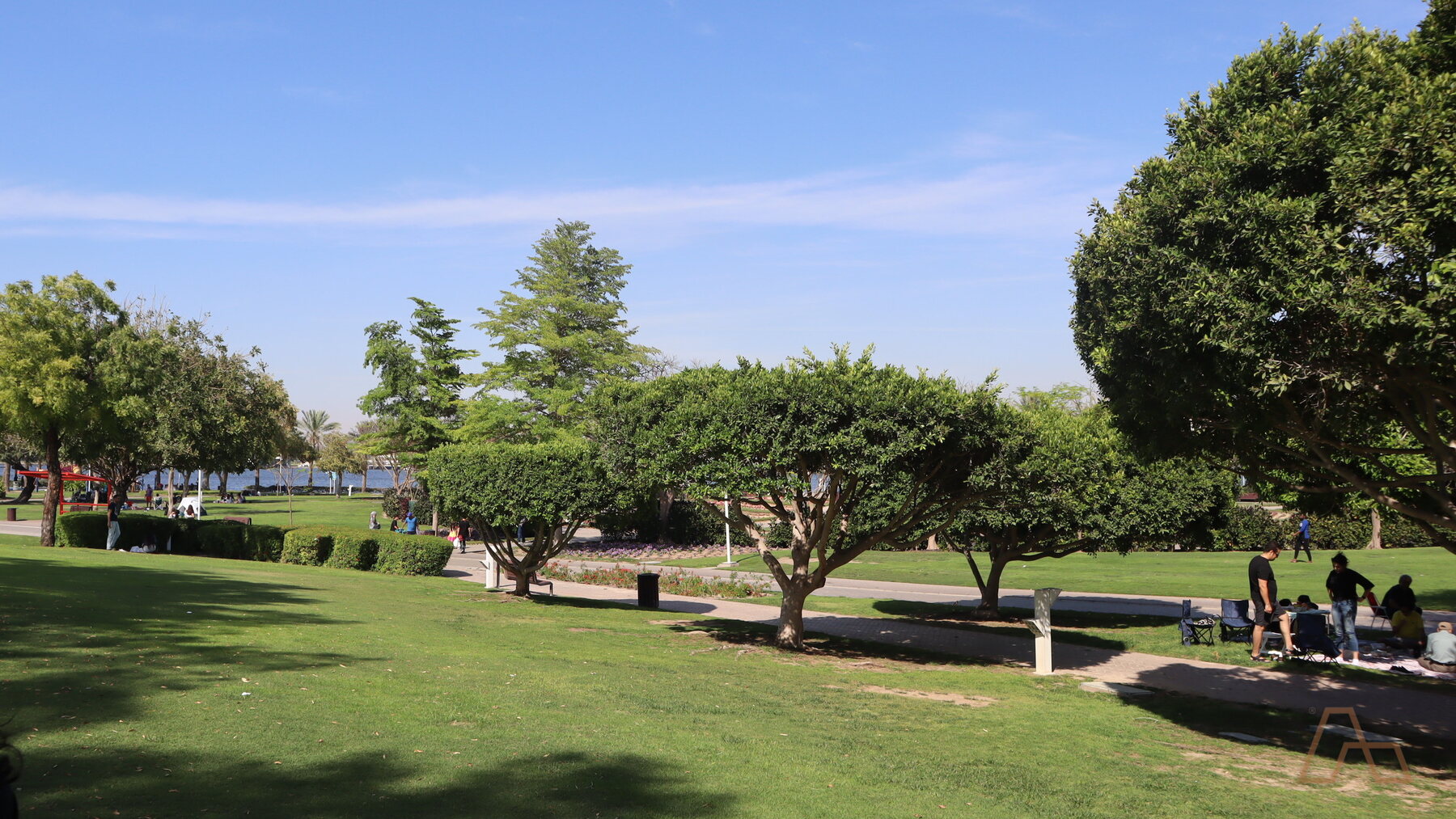
Parks within walking distance, used in the cooler months, which in Dubai is a genuine season rather than a footnote.
A supermarket and clinic inside or adjacent. The difference between a fifteen-minute errand and a forty-minute one, repeated daily.
Community pools and sports facilities, which carry the summer.
A settled resident population rather than a high-turnover investor block, because friendships for children depend on other families staying.
Villa or townhouse layout with a usable outdoor space, even a small one.
Villa or Apartment for a Family
Villas and townhouses win on space, outdoor area, community amenities and neighbour stability. They cost more per square foot of usable space, carry community charges plus private maintenance, and put you further from the central districts.
Apartments win on price, central location and service-included living. They constrain outdoor space and are generally in districts with fewer schools.
Many families run a sensible middle path: a townhouse in a planned community for the school years, with the intention of moving back to an apartment afterwards.
Frequently Asked Questions
Do Dubai schools have catchment areas?
No. Schools in Dubai are private and admission is by application and assessment rather than by residential address, so living nearby does not secure a place.
Which Dubai communities have schools inside them?
Large planned family communities such as Dubai Hills Estate, Arabian Ranches, Town Square, Mudon and Damac Hills include schools within or immediately adjacent to the masterplan.
How much are school fees in Dubai?
Roughly AED 35,000 to 60,000 a year at mid-tier primary level and AED 80,000 to 120,000 at premium secondary level, plus transport, with nursery fees from around AED 25,000.
Is it better to buy a villa or an apartment for a family in Dubai?
Villas and townhouses offer more space, outdoor area and community amenities, while apartments are cheaper and more central. Most family buyers prioritise planned communities with schools and parks nearby.
Should I buy near my chosen school in Dubai?
Yes, if you can. Since there are no catchments, proximity is about the daily school run rather than admission, and a twenty-minute each-way drive is roughly 240 hours a year.
Can I secure a school place before buying a property?
You can apply and be assessed independently of where you live, so it is usually sensible to secure the school place first and then choose the community around it.
The Short Version
There are no catchments, so stop shopping for one. Get the school place first, then buy within a short drive of it, and drive the route at 7:15am before you commit. Set the property budget after the fee schedule, not before. And choose the community on parks, pavements, a supermarket and settled neighbours rather than on the render.
School fees, community amenities and school locations change. Confirm current fees and admissions directly with schools and check community facilities on the ground before buying.