Deira Area Guide: Dubai's Highest-Yielding Rental Market, and Where Foreign Buyers Can Actually Own
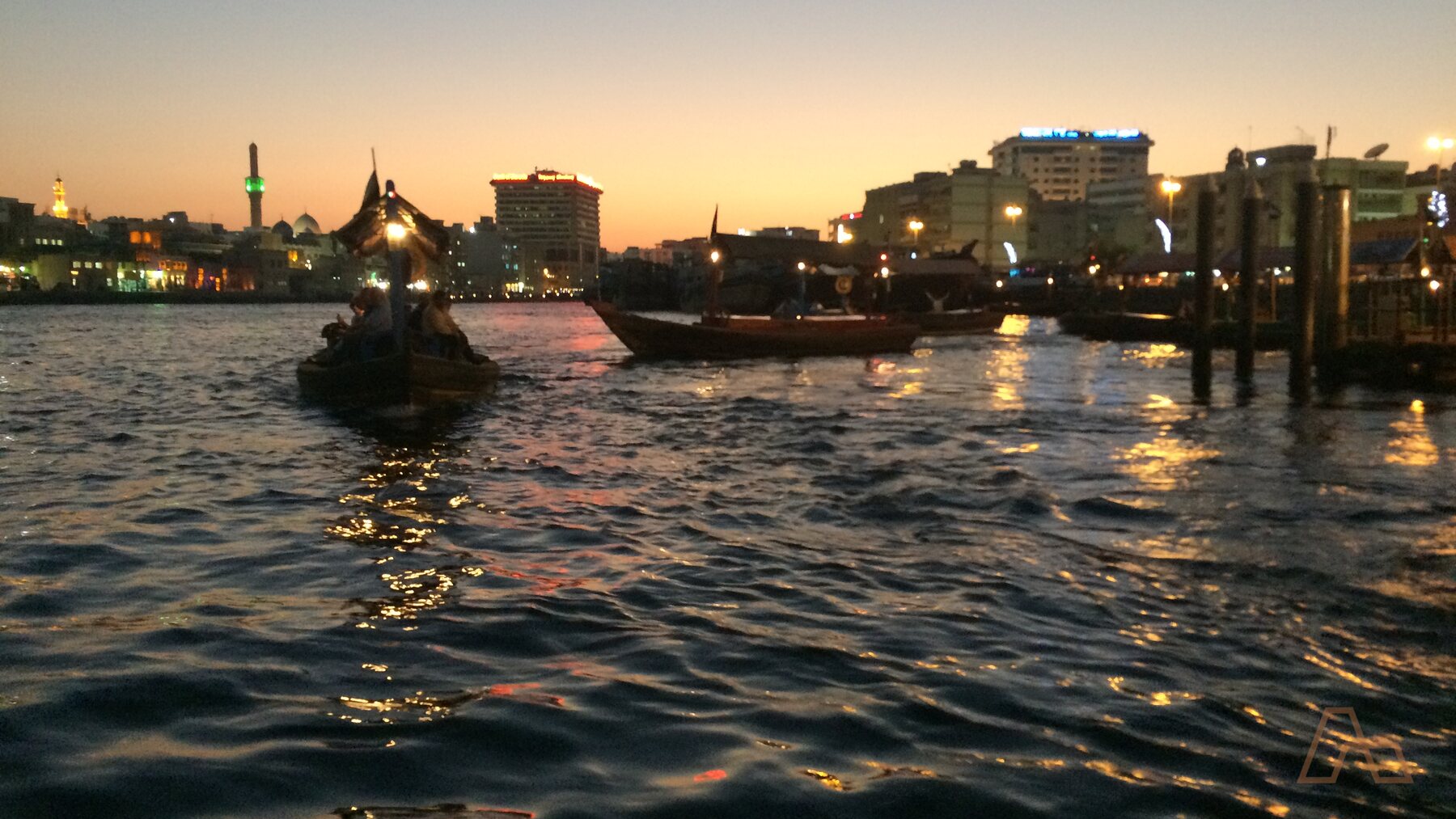
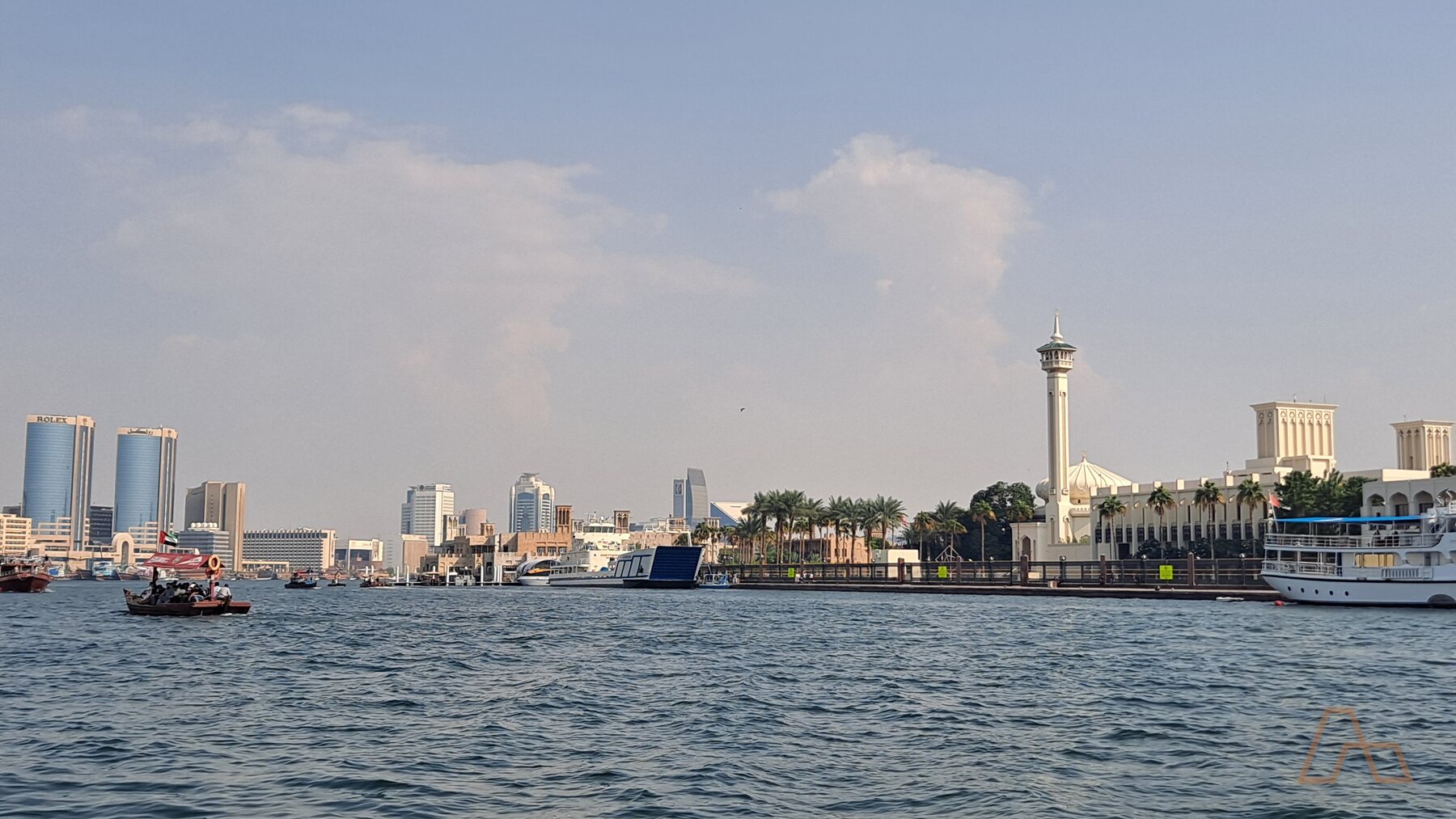
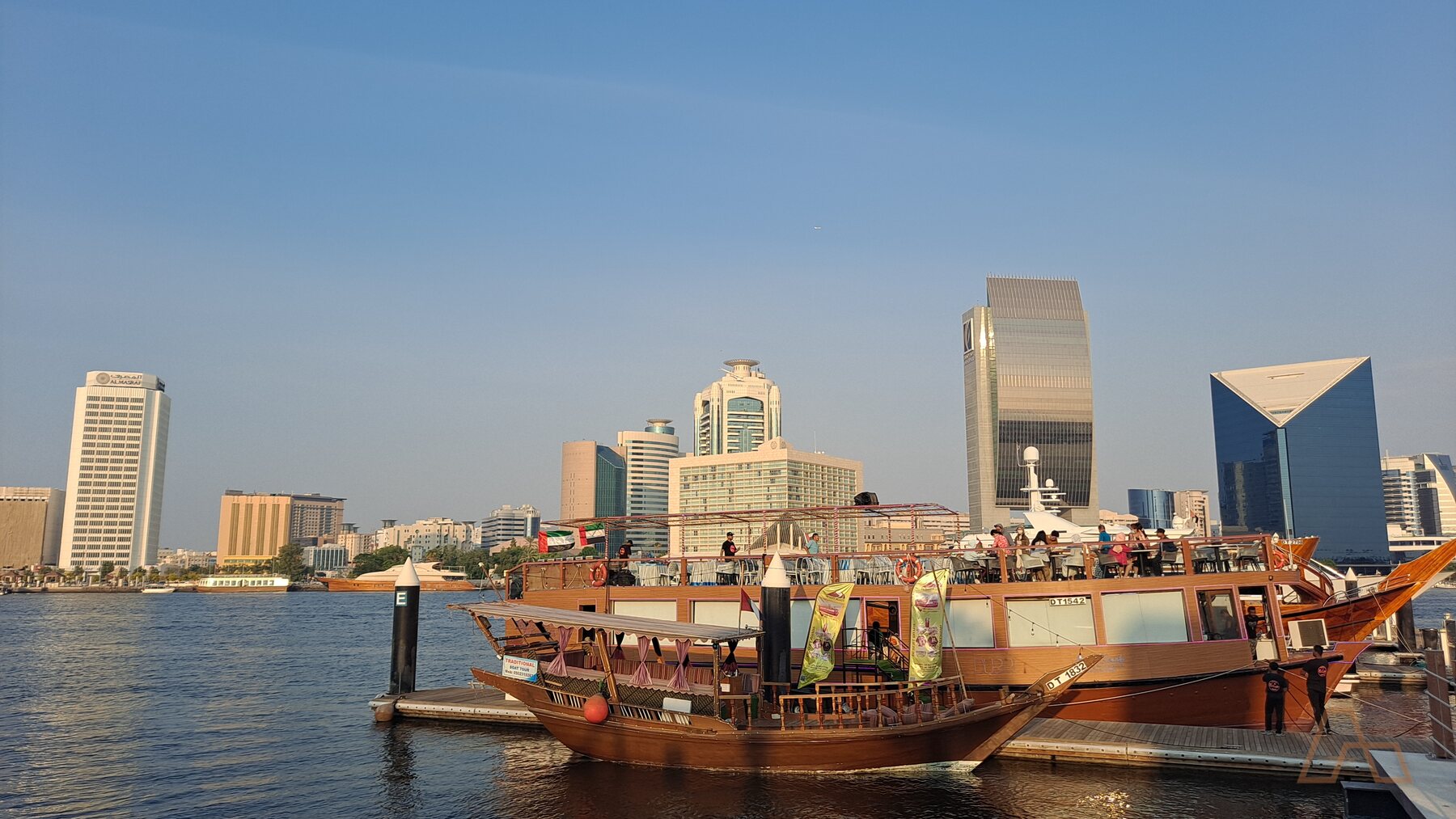
Deira is the part of Dubai that existed before the brochure version of Dubai did. It sits on the northern bank of the Creek, it is where the trading city grew, and it still houses a very large share of the emirate's working population in buildings that do not appear in any investment presentation.
It is also, measured honestly, the highest-yielding rental district in Dubai. Gross yields of 8% to 10% are ordinary here, against 6% to 7% in Dubai Marina and 5% to 6% in Downtown. Rents are low but purchase prices are lower, and that ratio is the whole investment case.
The reason more foreign investors do not own in Deira is not that they have overlooked it. It is that for most of the district, they cannot.
The Ownership Question, First
Foreign ownership in Dubai is not citywide. It is permitted only in plots the Ruler has designated as freehold, and the historic core of the city — Deira and Bur Dubai — was largely not designated. Across most of Deira the position is:
- UAE and GCC nationals may own freehold.
- All other nationalities may not buy freehold, and in most of the district cannot buy at all.
- Some plots carry long leasehold rights, typically 99 years, where the structure permits it.
This is a plot-level fact, not a district-level one, and it changes. The Dubai Land Department maintains the designated-areas register and the emirate has converted specific plots to freehold in recent years. Never take a broker's word on freehold status. Ask for the title deed or the plot's designation and confirm it against the Dubai Land Department record or the Dubai REST app before you spend money on anything.
Where foreign buyers can own in and around Deira
The practical answer for an international investor is Dubai Islands — the reclaimed archipelago off the Deira shoreline, formerly Deira Islands. It is designated freehold, open to all nationalities, and it is where essentially all new residential supply on this side of the Creek is being delivered. It is Deira's postcode and address, with none of Deira's building stock.
Beyond that, specific plots elsewhere in the district may carry freehold or leasehold rights. They exist, they are not numerous, and each one needs checking individually.
What the Rental Market Looks Like
Deira's letting market is deep, fast and almost entirely domestic. These are realistic 2026 bands for the older stock.
| Unit type | Typical annual rent | Typical purchase price where ownership is possible |
| Studio | AED 28,000 to 45,000 | AED 330,000 to 520,000 |
| One bedroom | AED 40,000 to 65,000 | AED 480,000 to 750,000 |
| Two bedroom | AED 55,000 to 90,000 | AED 650,000 to 1,050,000 |
| Three bedroom | AED 75,000 to 120,000 | AED 850,000 to 1,400,000 |
Gross yields land between 8% and 10%, which is the highest band in the emirate. Occupancy is high and void periods are short, because the tenant pool is enormous and relatively price-insensitive about building quality.
On Dubai Islands the numbers are a different market entirely — new-build waterfront pricing, broadly AED 1,600 to AED 2,600 per square foot, with yields in the 6% to 7% range. You are buying a different asset in the same district.
What the Buildings Are Actually Like
This is where the yield comes from, and it needs saying plainly.
Much of Deira's residential stock was built between the 1970s and the 1990s. The implications are consistent:
- Parking is scarce. Many buildings have none, and street parking in Deira is paid, congested and genuinely difficult. A unit with an allocated bay rents for a meaningful premium.
- Lifts, plumbing and cooling are old. Maintenance costs are higher and breakdowns are more frequent than in a twenty-year-old Marina tower.
- Cooling is usually DEWA-metered rather than district cooling, which means the tenant carries a high summer electricity bill and knows it. It affects what rent the market will bear.
- Service charges are low, often AED 6 to AED 12 per square foot, because there are few amenities to maintain. That low charge is a real contributor to the net yield.
- Finishes are basic. A refurbished unit in an old building outperforms its neighbours noticeably, and the refurbishment pays back quickly at these rent levels.
The counterweight is location. Deira is dense, walkable, and served by both the Red and Green metro lines with more stations than any comparable area. Union and BurJuman are the interchange points. For a tenant without a car, Deira is one of the most functional places to live in Dubai.
The Dubai Islands Effect
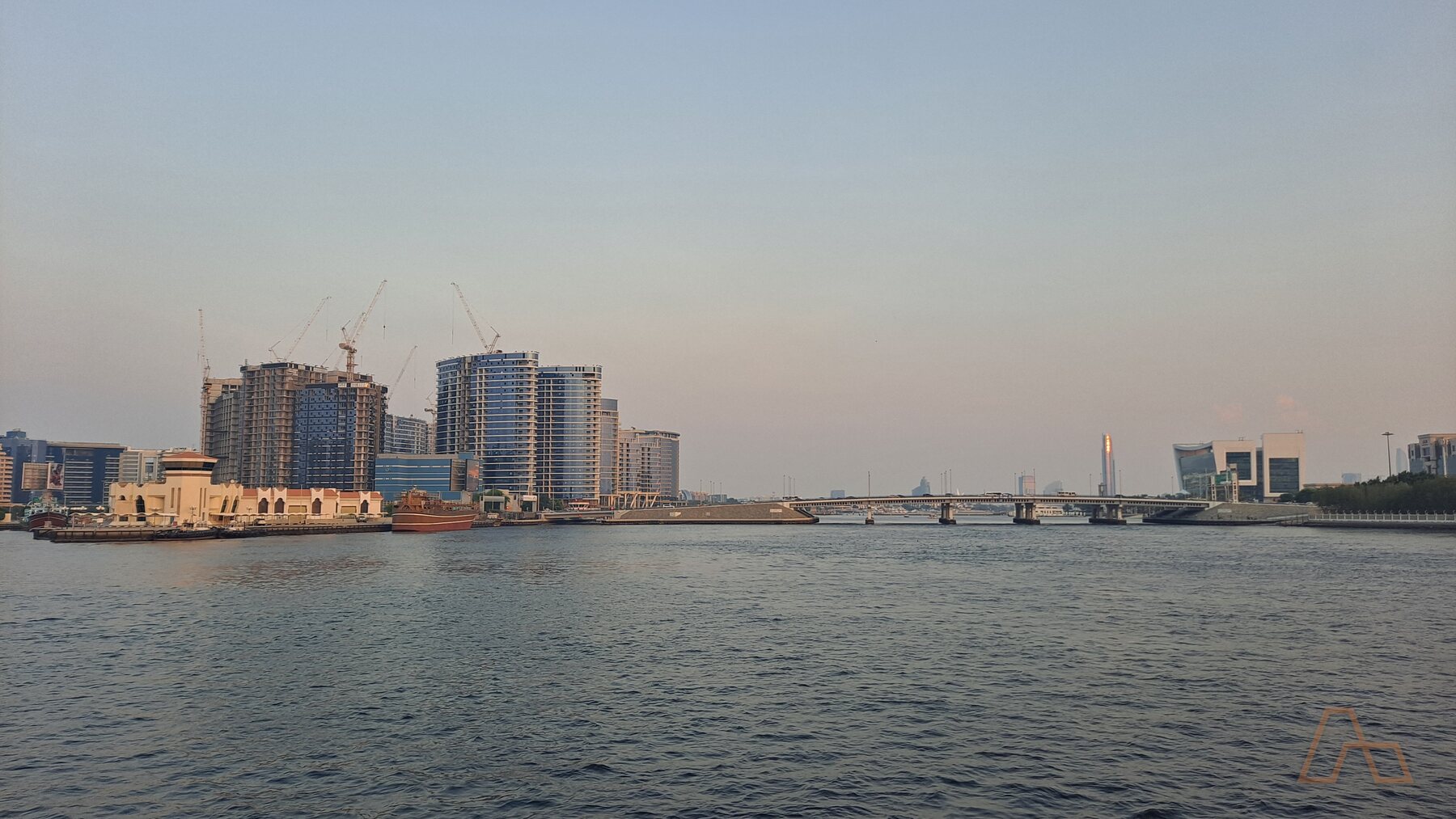
The reclaimed islands off the Deira shore are the largest change to this district in fifty years. Beach access, hotels, marinas and a substantial residential pipeline are being delivered on land that did not exist fifteen years ago, immediately adjacent to the oldest part of the city.
Two things follow for an investor.
It creates a freehold route into the district for foreign buyers, which did not meaningfully exist before. For an international investor who wants Deira's location, this is the way in.
It puts upward pressure on the mainland. New infrastructure, improved roads and a hospitality cluster raise the floor under adjacent older stock. The effect is real but gradual, and it is concentrated in the blocks nearest the waterfront rather than spread evenly across the district.
The caution is supply. A large volume of new units delivering into a single district over a few years compresses rents before it lifts them. Model a Dubai Islands purchase on conservative rental assumptions for the first two years after handover.
Who Deira Suits
It suits the yield-focused investor who can buy there — meaning a UAE or GCC national, or a foreign buyer on Dubai Islands or on a specifically verified freehold plot. Nothing else in Dubai produces 9% gross on this reliably.
It suits a tenant without a car, or one who works in the old city, the airport corridor or the trading districts. The metro coverage and the walkability are genuinely better than most of new Dubai.
It suits a buyer who wants waterfront at a Dubai Islands price point rather than a Palm Jumeirah one.
It suits owner-occupiers from the international market poorly, mostly because they cannot buy there. It suits capital growth investors poorly in the older stock: Deira is an income district, and the price appreciation that has driven returns in Marina, Downtown and the Creek Harbour has not been replicated in fifty-year-old walk-up buildings.
Due Diligence Specific to This District
- Verify freehold or leasehold status at plot level with the Dubai Land Department before anything else. This is the step that disqualifies most Deira opportunities for a foreign buyer, and it should be step one, not step five.
- Check the parking allocation on the title deed, not the listing.
- Ask for the building's service charge statement through Mollak and the owners association's maintenance history.
- Inspect the lift and cooling plant. In stock this age, a pending lift replacement is a five or six figure special levy waiting to be struck.
- Confirm the cooling arrangement — DEWA metered or district cooling — because it changes achievable rent.
- Look at actual Ejari-registered rents for the building rather than asking prices, since advertised rents in Deira run ahead of achieved rents more than elsewhere.
Frequently Asked Questions
Can foreigners buy property in Deira?
Only in designated areas. Most of historic Deira is not freehold, so ownership there is restricted to UAE and GCC nationals, with some plots available on long leasehold. The main freehold route for all nationalities is Dubai Islands, the reclaimed archipelago off the Deira shoreline. Always verify a specific plot's designation with the Dubai Land Department before committing.
What rental yield does Deira produce?
Gross yields of 8% to 10% are routine in the older stock, the highest band in Dubai, because purchase prices are low relative to rents. Service charges are also low, often AED 6 to 12 per square foot, so the net yield holds up better than the headline suggests. New Dubai Islands stock yields closer to 6% to 7%.
Is Deira a good place to invest in Dubai?
For income, yes — if you are eligible to buy there. It delivers the highest reliable gross yields in the emirate with deep tenant demand and short voids. For capital growth it is weaker: the older stock has not appreciated like Marina or Downtown, and maintenance costs in fifty-year-old buildings are a genuine drag.
How much is rent in Deira?
Studios typically let for AED 28,000 to 45,000 a year, one bedrooms for AED 40,000 to 65,000, two bedrooms for AED 55,000 to 90,000 and three bedrooms for AED 75,000 to 120,000. These are among the lowest residential rents in Dubai for a location this central.
What is the difference between Deira and Dubai Islands?
Deira is the historic mainland district on the north bank of the Creek, mostly older buildings and mostly not freehold for foreign buyers. Dubai Islands is the reclaimed waterfront archipelago immediately offshore, designated freehold and open to all nationalities, with new-build pricing and amenities. Same district, different market.
Does Deira have good transport links?
Yes, better than most of new Dubai. It is served by both the Red and Green metro lines with more stations than any comparable area, with interchanges at Union and BurJuman, plus extensive bus coverage and the abra crossings. Parking, by contrast, is scarce and difficult, which is why car-free tenants favour the district.
The Bottom Line
Deira is the clearest income play in Dubai and the hardest one to access. If you are eligible to buy on the mainland, the yields are the best available anywhere in the emirate and the tenant demand is structural rather than cyclical. If you are not, Dubai Islands gives you the location with a new-build asset and a lower, more conventional return.
What you should not do is assume a Deira listing is purchasable because it is advertised. Check the title first.
Our team can confirm a specific plot's freehold status and pull the Ejari-registered rent history for any Deira building before you make an offer.