Most Dubai developers compete on volume. Omniyat competes on price per square foot.
That is not a slogan, it is the whole strategy. Where a large developer measures a good year in thousands of units handed over, Omniyat measures it in a handful of buildings, each one designed by an architect whose name buyers already know, and each one priced at the very top of its district. Founded in 2005 and now two decades into that approach, it has become the reference point for what Dubai calls ultra-prime.
This guide covers where the company came from, what it has actually built, the Dorchester Collection partnership that underpins its residential brand, the unusual way it funds its pipeline, and what a buyer should weigh before committing at this end of the market.
Omniyat at a Glance
| Founded | 2005 |
|---|---|
| Founder | Mahdi Amjad, Founder and Executive Chairman |
| Headquarters | Dubai, UAE |
| Type | Ultra-luxury developer — residential, commercial and mixed-use |
| Defining projects | The Opus, One at Palm Jumeirah, The Lana, Orla, Vela |
| Hospitality partner | Dorchester Collection |
| Design collaborators | Zaha Hadid Architects, Foster + Partners, Gilles and Boissier, Vladimir Djurovic |
| Core districts | Palm Jumeirah, Business Bay and Marasi Bay |
| Funding | Listed sukuk issuance on Nasdaq Dubai since 2024 |
| Milestone | Twenty years of operation marked in 2025 |
Fewer Buildings, Higher Price per Square Foot
Omniyat was established in Dubai in 2005 by Mahdi Amjad, who remains its Executive Chairman. The company arrived at a moment when the emirate was building at extraordinary speed, and it chose deliberately not to compete on that basis.
The operating model is closer to a luxury goods house than a volume homebuilder. Each project is treated as a commissioned object: an architect of international standing is engaged, the building is designed around a single strong idea, and the unit count stays deliberately low. The Opus, designed by Zaha Hadid Architects, is the clearest expression of this — a cube with a free-form void carved through its centre, one of the few Hadid buildings anywhere where she designed both the exterior and the interiors.
The commercial logic follows from the architecture. A building that cannot be replicated on a cheaper plot down the road does not compete on price, and that is the entire argument for buying at this level.
The Dorchester Collection Partnership
The most consequential decision in Omniyat's history was not architectural, it was a partnership.
Dorchester Collection operates a small portfolio of hotels that includes The Dorchester in London, Le Meurice in Paris and the Hotel Bel-Air in Los Angeles. Omniyat brought that operator to Dubai and attached it to residences, which changes what an owner is actually buying: not just an apartment with a concierge, but a residence serviced to the standard of a hotel group that has spent a century building its name.
One at Palm Jumeirah was the first of these. The Lana, in Business Bay, opened as a hotel with adjoining private residences and completed in 2024. Orla, Orla Infinity, Vela, Vela Viento, AVA and The Alba extend the same idea across Palm Jumeirah. Penthouse sales in this portfolio have repeatedly set records for value in the Dubai market.
For a buyer, the practical question is what the branding actually delivers. In this case it is a real operating agreement rather than a licensing badge: staffing, service standards and the residence management all run through the operator. That is the distinction worth testing on any branded residence, from any developer.
Where Omniyat Builds
| Project | District | Type |
|---|---|---|
| One at Palm Jumeirah | Palm Jumeirah | Dorchester Collection residences, completed |
| Orla and Orla Infinity | Palm Jumeirah | Dorchester Collection residences |
| Vela and Vela Viento | Marasi Bay, Business Bay | Dorchester Collection residences |
| AVA at Palm Jumeirah | Palm Jumeirah | Dorchester Collection residences |
| The Alba Residences | Palm Jumeirah | Dorchester Collection residences |
| The Lana | Marasi Bay, Business Bay | Hotel and branded residences, completed 2024 |
| The Opus | Business Bay | Mixed use — offices, residences, ME Dubai hotel |
| Anwa and Anwa Aria | Maritime City | Residential |
| The Sterling | Business Bay | Residential |
| Lumena | Business Bay | Commercial, reported sold out |
| Enara | Marasi Bay | Commercial, under construction |
| The Binary, One by Omniyat, Bayswater | Business Bay | Commercial |
Pricing, availability and handover dates are subject to change — always confirm current figures with our sales team before making a decision.
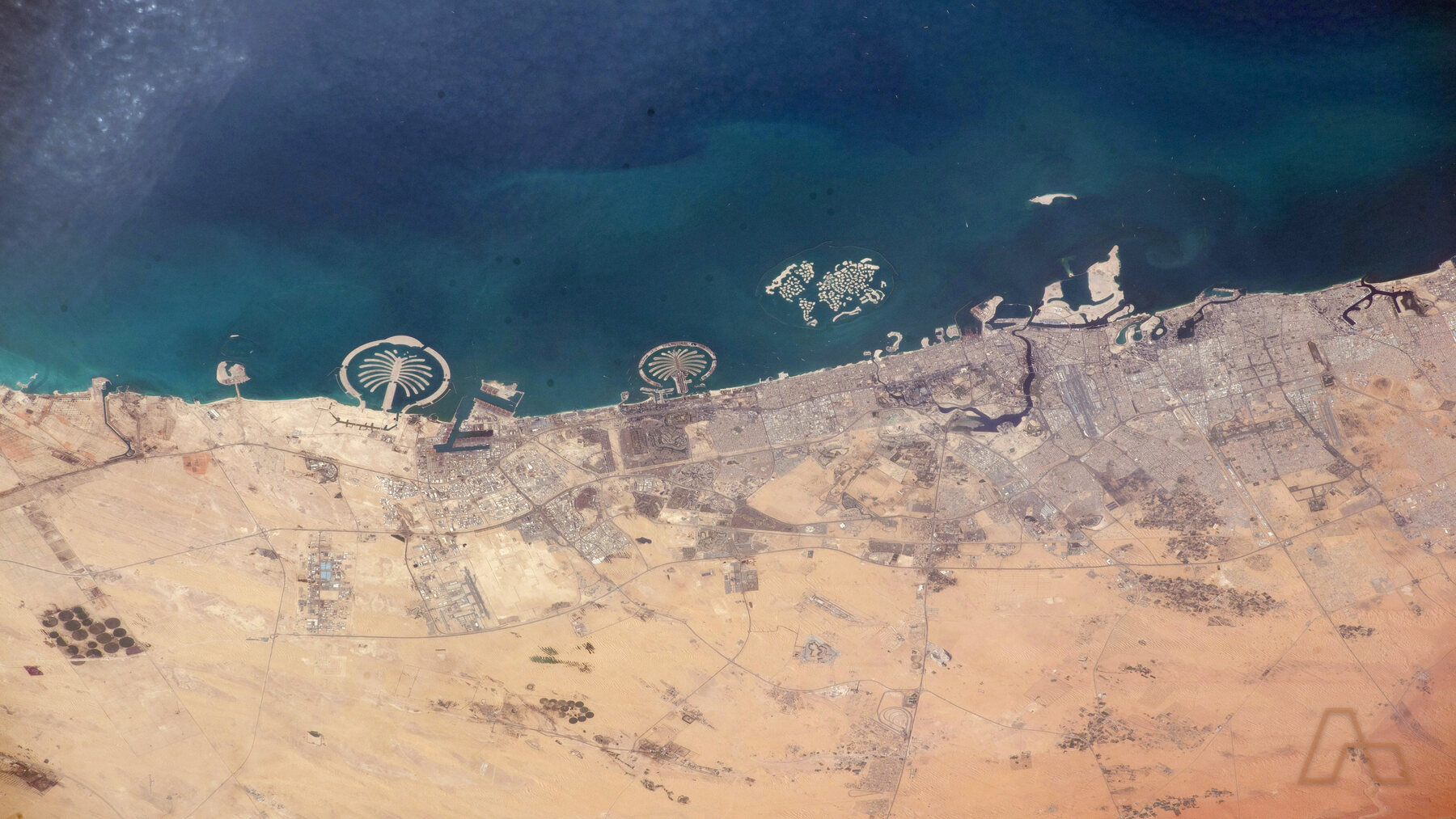
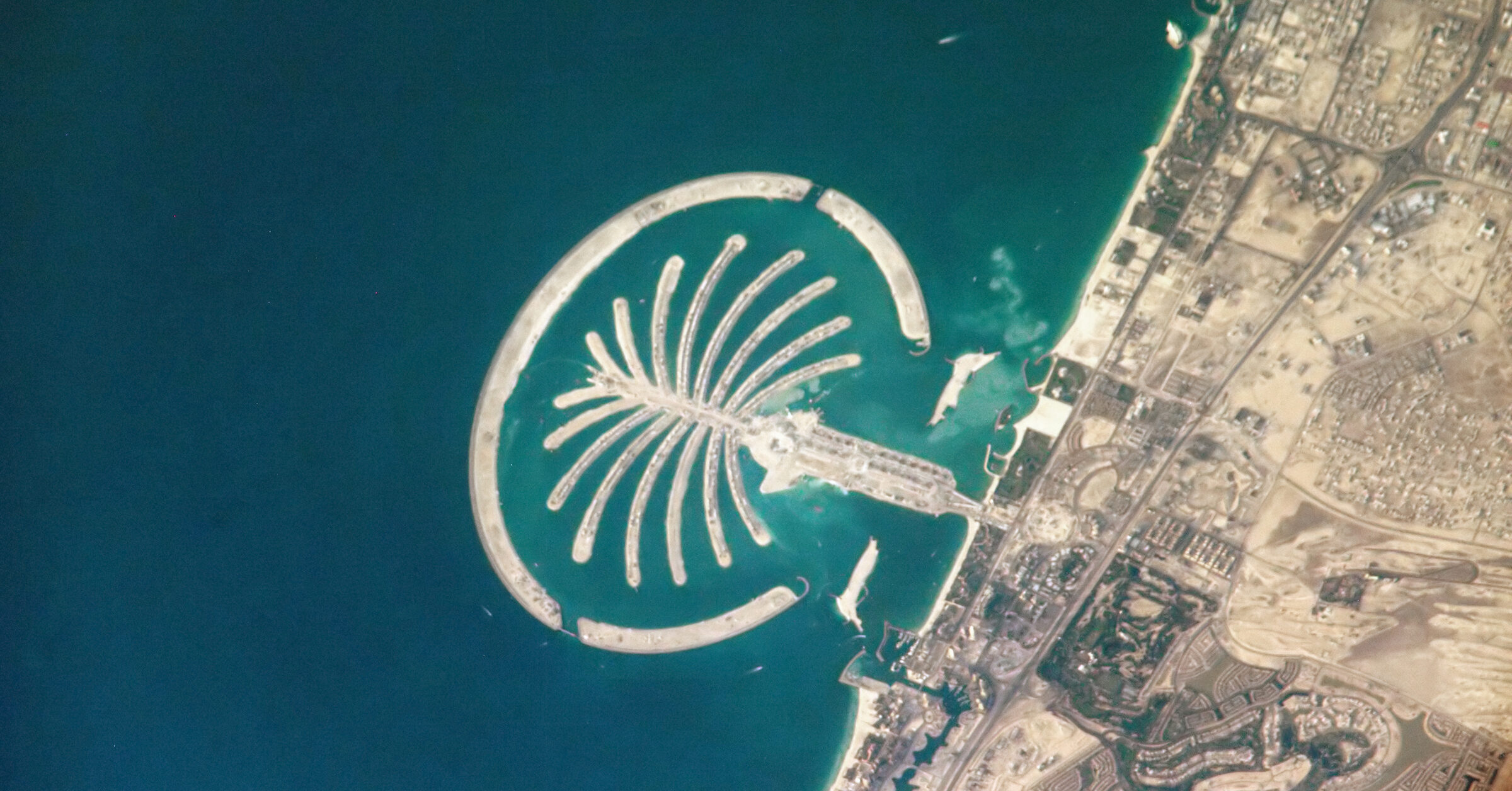
Two clusters do most of the work here. Palm Jumeirah supplies scarcity: beachfront plots on the island are finite and cannot be manufactured by a competitor. Marasi Bay, Omniyat's own waterfront stretch of Business Bay, supplies concentration — the company has assembled enough adjacent projects there to shape the character of the district rather than merely occupy a plot in it.

How Omniyat Funds Its Pipeline
This is the part most developer guides skip, and for an ultra-luxury developer it matters more than usual.
In 2024 Omniyat listed its inaugural green sukuk on Nasdaq Dubai, raising USD 500 million in an offering reported as oversubscribed several times over. Further issuance in 2025 took the total raised across two sukuk to more than USD 900 million. The company has publicly described an ambition to build a portfolio in the region of AED 100 billion over the following five years.
Why a buyer should care: a developer that can raise money on public debt markets is a developer whose accounts, projections and governance have been examined by parties with no interest in flattering them. That is not a guarantee of anything — bond markets misprice risk like every other market — but it is a meaningfully different funding position from a developer financed purely by off-plan instalments.
What a Buyer Should Weigh
Scarcity is the asset, not the finish. Marble and joinery can be matched by any well-funded competitor. A Palm Jumeirah beachfront plot or a Zaha Hadid building cannot. When assessing an Omniyat unit, weigh what is genuinely unrepeatable about it.
Test what the brand actually obligates. A branded residence is only worth the premium if the operator is contractually running the service. Ask who employs the staff, what the residence management agreement covers, and what the service charge funds.
Ultra-prime is a thinner market in both directions. Fewer buyers exist at this price point. That supports pricing when demand is strong and slows resale when it is not. Buy on a horizon that can absorb that.
Service charges scale with the promise. Hotel-standard service costs hotel-standard money, charged annually per square foot. Model it before you buy, not after handover.
Verify escrow and DLD registration regardless. Every off-plan purchase in Dubai must be registered with the Dubai Land Department and paid into a project escrow account. Ask for the escrow account number and confirm the project registration independently on Dubai REST. This applies to every developer at every price point.
Frequently Asked Questions
01Who owns Omniyat?
Omniyat is a privately held Dubai developer founded in 2005 by Mahdi Amjad, who serves as its Founder and Executive Chairman. It is not a government-linked entity.
02What has Omniyat built?
Its best-known completed projects are The Opus in Business Bay, designed by Zaha Hadid Architects, and One at Palm Jumeirah with Dorchester Collection. The Lana hotel and residences at Marasi Bay completed in 2024. Its ongoing residential portfolio includes Orla, Orla Infinity, Vela, Vela Viento, AVA and The Alba, alongside commercial buildings including The Binary, Bayswater and Enara.
03What does the Dorchester Collection partnership mean for an owner?
It means the residences are serviced under an agreement with the hotel operator rather than simply carrying its name. In practice that covers staffing, service standards and residence management. The specific scope varies by building, so it should be read in the documents for the individual project.
04Is Omniyat a good developer for investment?
It occupies the ultra-prime end of the Dubai market, where scarcity of location and design is the main driver of value and where the buyer pool is smaller than in the mainstream market. That combination tends to hold value well and trade less frequently. Whether it suits a particular investor depends on holding period and liquidity needs more than on the developer's record.
05Where does Omniyat build in Dubai?
Almost entirely in two places: Palm Jumeirah, and the Business Bay waterfront around Marasi Bay. It also has residential projects at Dubai Maritime City.