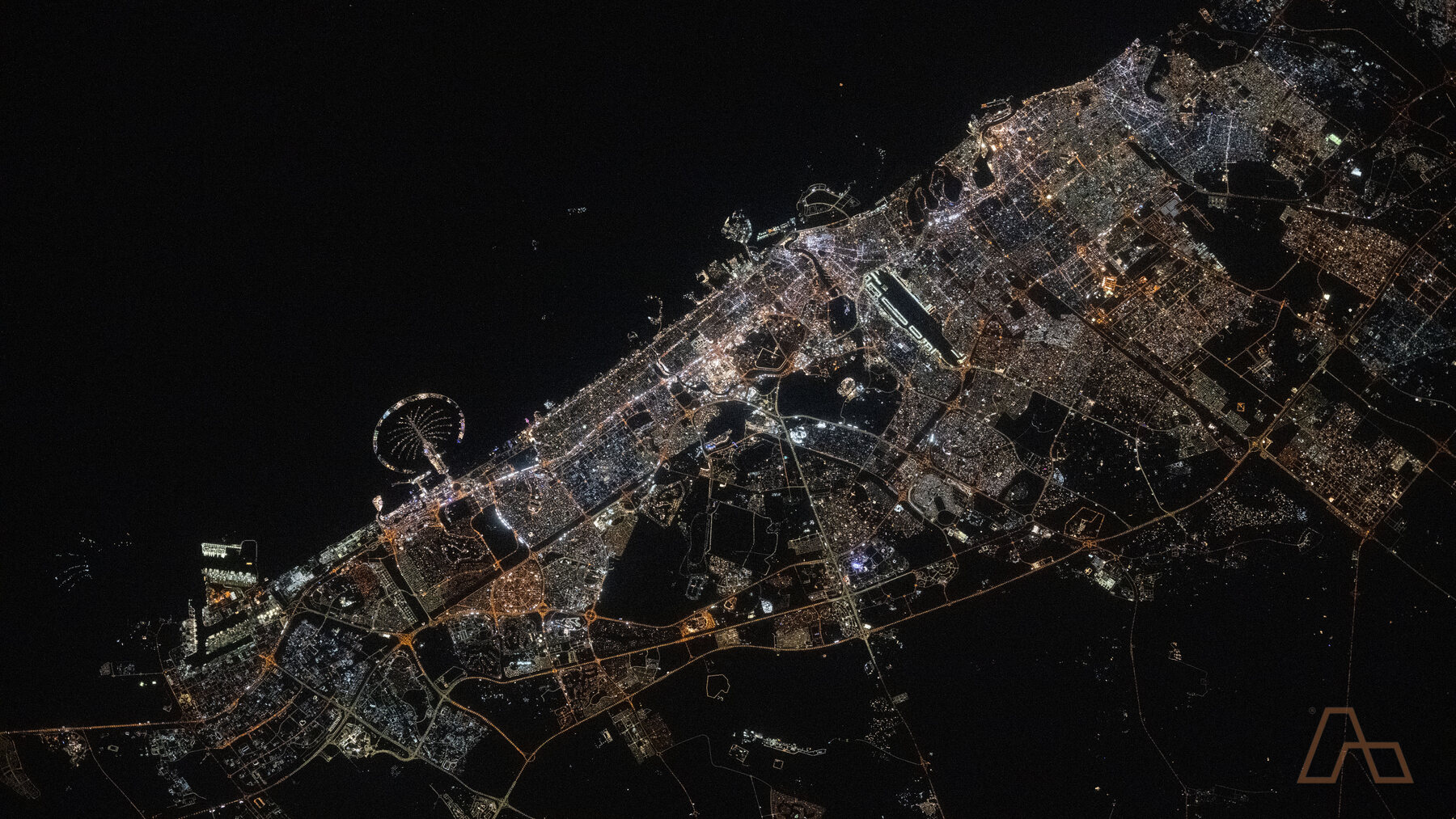
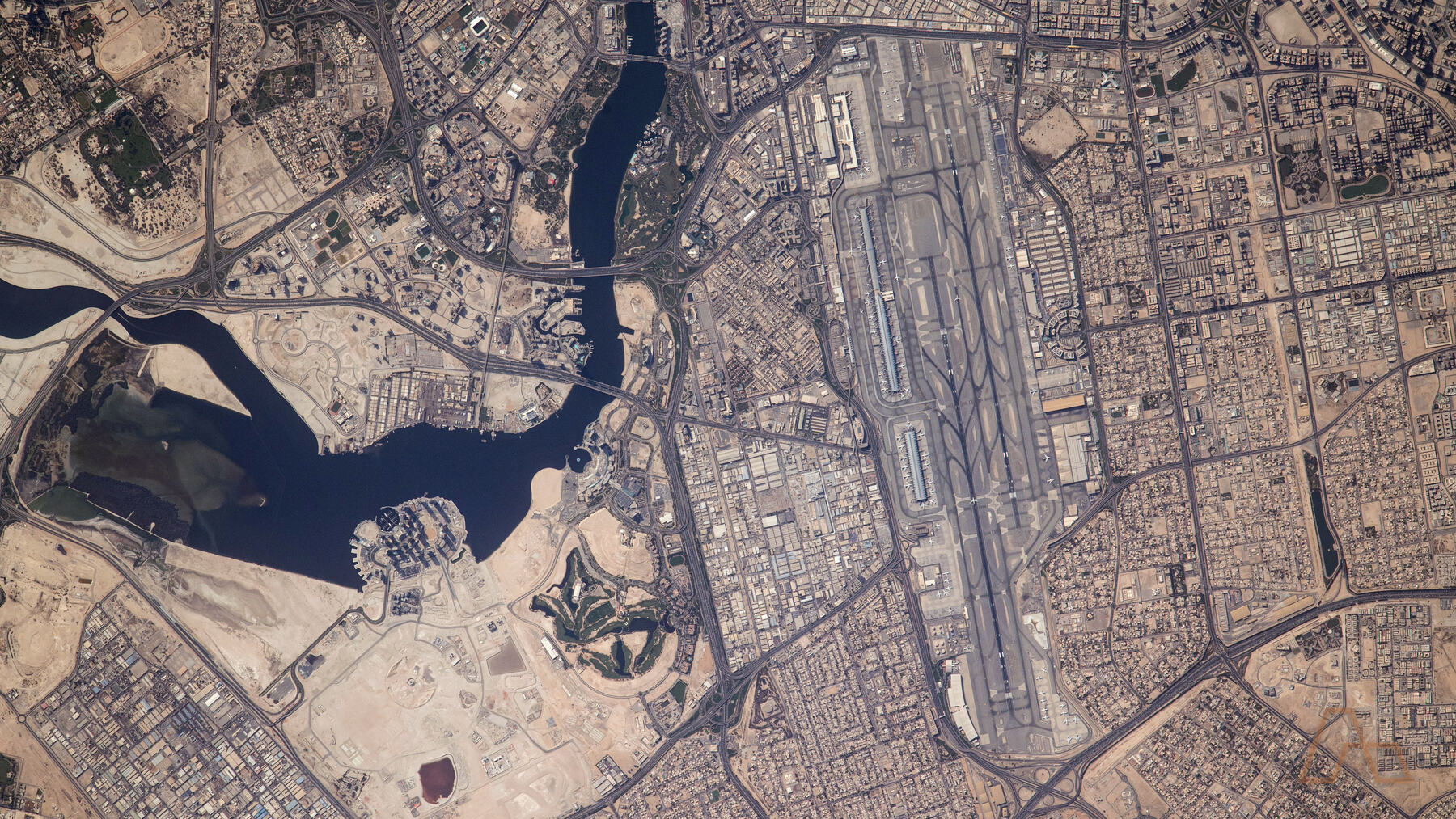
Mirdif sits on the eastern side of Dubai, just beyond the end of Dubai International's runways, between Al Rashidiya, Al Warqa and the edge of Mushrif Park. It is low-rise and settled, with wide streets of villas, a large regional mall and a resident base that has stayed for years rather than months.
For a buyer, though, the district comes with a question that has to be answered before anything else: which part of Mirdif are you looking at? Because most of it cannot be bought by a foreign national at all.
Two Mirdifs: Freehold and Everything Else
Dubai's freehold regime allows non-UAE nationals to own outright only in designated areas, and Mirdif as a whole is not one of them. The bulk of the district is a grid of individually owned villa plots, many of them built by Emirati families, that expatriates rent but cannot buy.
Inside that grid there are master-planned pockets that are sold freehold to all nationalities. Uptown Mirdif and Mirdif Hills are the two most commonly cited, and listing portals name a handful of smaller projects as well. Some compounds within the wider district are restricted to UAE or GCC nationals.
The practical consequence is simple and easy to miss: a listing that says "Mirdif" tells you nothing about whether you can register the title. Ask for the plot's title deed or a DLD-issued ownership record before you discuss price, and treat a seller or agent who cannot produce it quickly as a warning sign.
What the District Offers
Mirdif's appeal is that it feels finished. The roads are built, the trees have grown, and the everyday infrastructure is in place.
- City Centre Mirdif, the district's regional mall, anchors shopping, cinemas and family leisure.
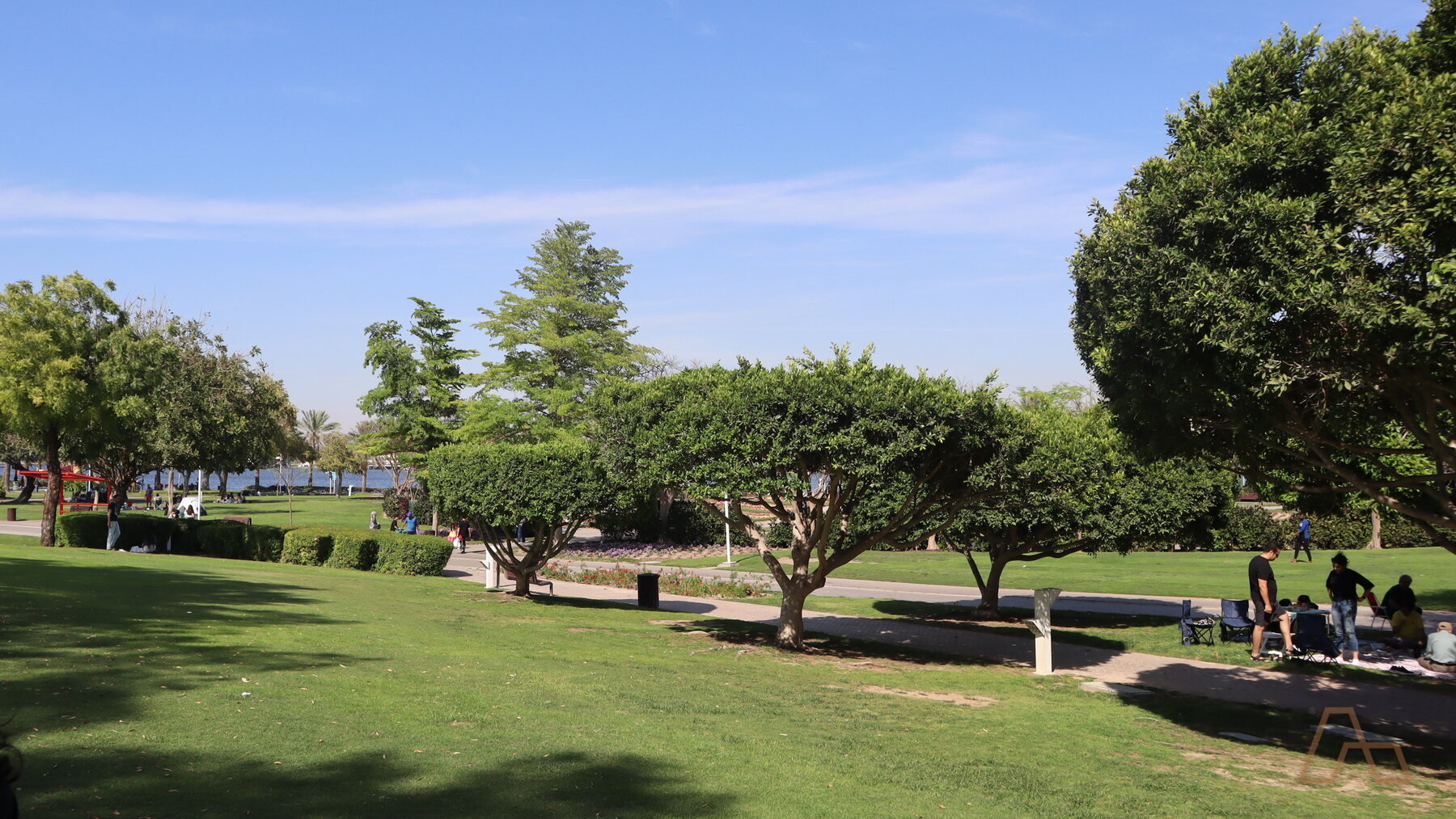
- Mushrif Park, one of Dubai's largest green spaces, borders the district with woodland, trails and cycling routes.
- Schools and nurseries are clustered in and around the district, which is a large part of why families stay.
- Dubai International is a few minutes' drive, which suits frequent travellers and airline staff.
What it does not offer is the high-rise, waterfront or resort lifestyle of the newer coastal districts, and until now it has had no rail connection. Mirdif has been, effectively, a car-only district.
The Housing Stock
The district divides into three kinds of property.
| Type | Where | Ownership |
|---|---|---|
| Independent villas on private plots | The main Mirdif grid | Mostly not open to foreign buyers; widely rented to expatriates |
| Villas and townhouses in gated communities | Uptown Mirdif, Mirdif Hills and smaller compounds | Freehold pockets open to all nationalities, subject to title |
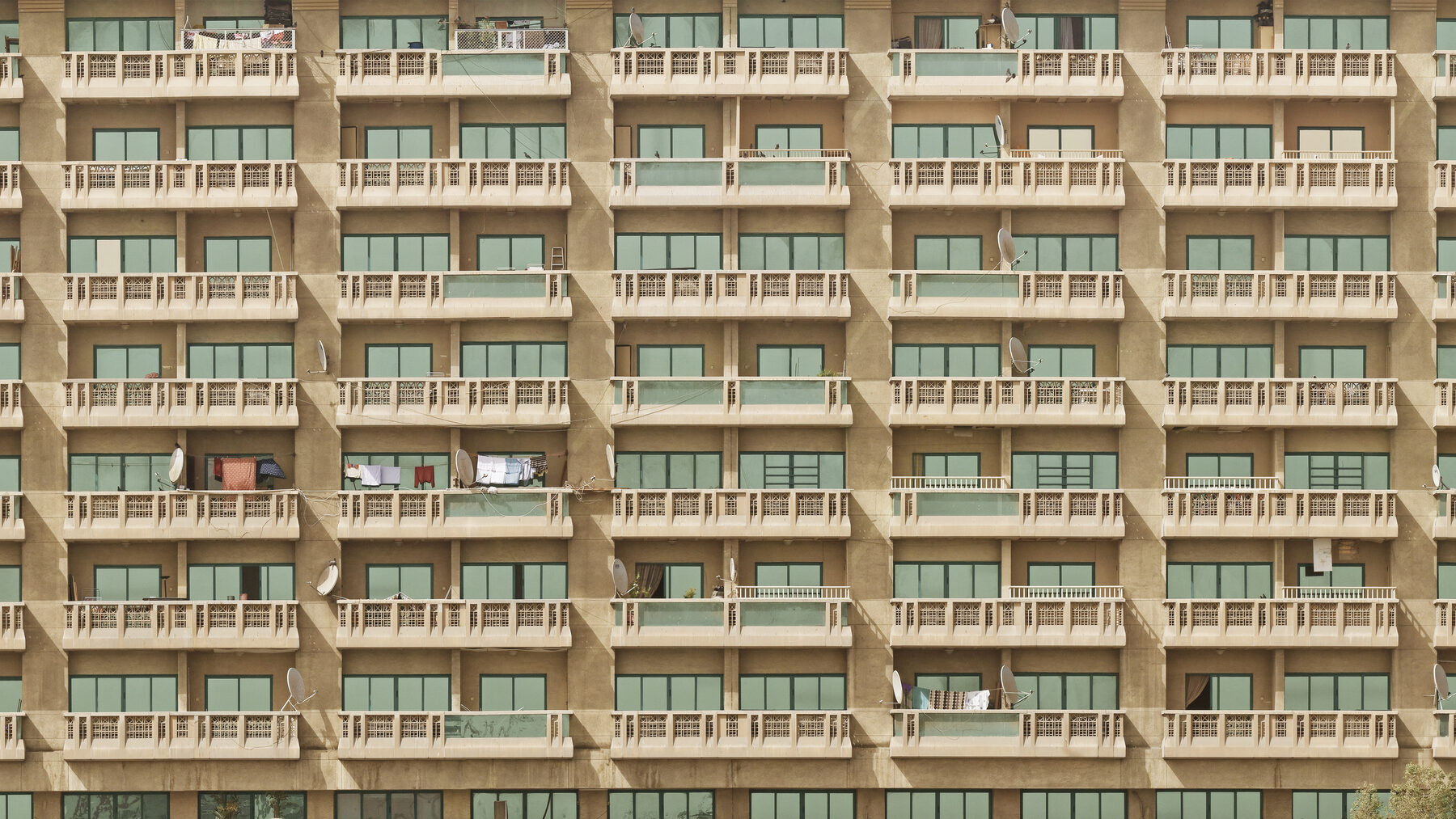
| Low-rise apartment buildings | Mirdif Hills, Uptown Mirdif and the developer-run rental communities of Shorooq and Ghoroob | Mixed: some freehold for sale, some held by a single landlord for rent |
The villa stock is older than in the newer suburbs, plots are often generous, and finishes vary from original to fully renovated. That variation is the single biggest driver of price differences between apparently similar villas, so compare on condition, not just bedroom count.
Rents and Prices
Mirdif's rents sit well below the coastal districts for comparable space, which is the whole point of the district for many families.
Portal data for 2025 put average villa rents in Uptown Mirdif at around AED 152,000 a year, with current three- and four-bedroom asking rents ranging from about AED 115,000 to AED 220,000 depending on size and condition. Larger villas in neighbouring Mushrif Village average higher, at around AED 236,000. Freehold villas for sale are advertised from about AED 3 million for smaller homes up to more than AED 6 million for large plots.
Treat those as asking figures. As with any district, price off registered transactions in the same community from the last three to six months, per square foot, rather than listing averages, which can run well ahead of achieved prices.
Two Things That Will Change Mirdif
The Metro Blue Line. The Blue Line includes a station at Mirdif, and for a district that has never had rail, that is a genuine change rather than an added convenience. The honest reading is that it is a rental-demand story more than a price-explosion story: the housing is villas and low-rise apartments occupied by families with cars, so the station improves liveability and widens the tenant pool, particularly for the apartment stock within a real walk of the station.
The airport. Mirdif sits under the approach to Dubai International, and aircraft noise has been part of its price for decades. The long-term plan to transfer operations to Al Maktoum International in Dubai South would remove that constraint. It is a slow, multi-year process, and today's prices already reflect the noise, so for a long-horizon owner the move is upside that is not yet in the price rather than something to pay for now.
Who Mirdif Suits
Mirdif suits families who want space, a garden and an established community at a rent or price well below the coast, and who value a short trip to the airport. It suits investors looking for steady, long-staying family tenants in villas, provided they buy in a genuine freehold pocket.
It suits less well anyone who wants a beach, a high-rise view or a short-let investment, and anyone who needs to commute daily to the Marina or Jebel Ali, which is a long drive across the city at peak hours.
Before You Buy in Mirdif
- Confirm the title first. Ask for the title deed or DLD ownership record and check that the plot sits in a freehold area open to your nationality.
- Inspect the villa, not the brochure. Older stock means roofs, waterproofing, air-conditioning and plumbing matter more than in a new build.
- Check the flight path from the garden. Visit at different times of day before committing, and price the noise honestly.
- Map the walk to the Blue Line station if you are buying an apartment with tenants in mind.
- Price off registered transactions, not portal averages.
The Short Version
- Mirdif is an established, low-rise, villa-led family district on Dubai's eastern side, beside Dubai International and Mushrif Park.
- Most of Mirdif is not open to foreign ownership. Freehold pockets such as Uptown Mirdif and Mirdif Hills are, so confirm the title before anything else.
- Villa rents are well below the coast: around AED 152,000 a year on average in Uptown Mirdif in 2025, with freehold villas advertised from about AED 3 million.
- A Metro Blue Line station gives the district its first rail link, which widens the tenant pool more than it re-rates villa prices.
- The eventual move of flights to Al Maktoum would lift the noise constraint the district has always been priced with.
Frequently Asked Questions
01Can foreigners buy property in Mirdif?
Only in parts of it. Dubai allows non-UAE nationals to own freehold only in designated areas, and most of Mirdif is a grid of privately owned villa plots that expatriates rent but cannot buy. Inside the district there are master-planned freehold pockets open to all nationalities, with Uptown Mirdif and Mirdif Hills the most commonly cited, and some compounds are restricted to UAE or GCC nationals. Ask for the title deed or a DLD ownership record before discussing price, because a listing that simply says Mirdif tells you nothing about whether the title can be registered in your name.
02How much does it cost to rent a villa in Mirdif?
Portal data for 2025 put the average villa rent in Uptown Mirdif at around AED 152,000 a year, with three- and four-bedroom asking rents ranging from about AED 115,000 to AED 220,000 depending on size and condition. Larger villas in neighbouring Mushrif Village average around AED 236,000. These are asking figures; condition varies widely across the older villa stock, and that variation drives much of the price difference between similar-looking homes.
03Will the Metro Blue Line raise property prices in Mirdif?
It is more likely to raise rental demand than to re-rate villa prices. Mirdif has never had a rail connection, so a station there supplies something genuinely missing, which matters most for apartment buildings within a real walk of it. The villa stock is mostly occupied by families who drive, so for villas the station improves liveability rather than changing the basis on which they are valued.
04Is aircraft noise a problem in Mirdif?
It depends on the street. Mirdif sits under the approach to Dubai International, and noise has been part of the district's pricing for decades, so visit at different times of day before committing. The long-term plan to move operations to Al Maktoum International in Dubai South would remove the constraint, but it is a multi-year process. Because current prices already reflect the noise, the eventual move is upside for a long-horizon owner rather than something to pay a premium for today.