Developers' price lists in Dubai step upward floor by floor, and resale prices follow the same pattern. The higher unit costs more, the sea-facing unit costs more still, and the penthouse sits in a price band of its own.
What a buyer is paying for in that premium is less obvious than it looks. Two different things are being priced together, and only one of them is guaranteed to last.
What the Premiums Are Worth
There is no single published figure for Dubai, and anyone quoting a precise per-floor percentage is quoting a developer's price list rather than market evidence. The research that does exist points in a consistent direction.
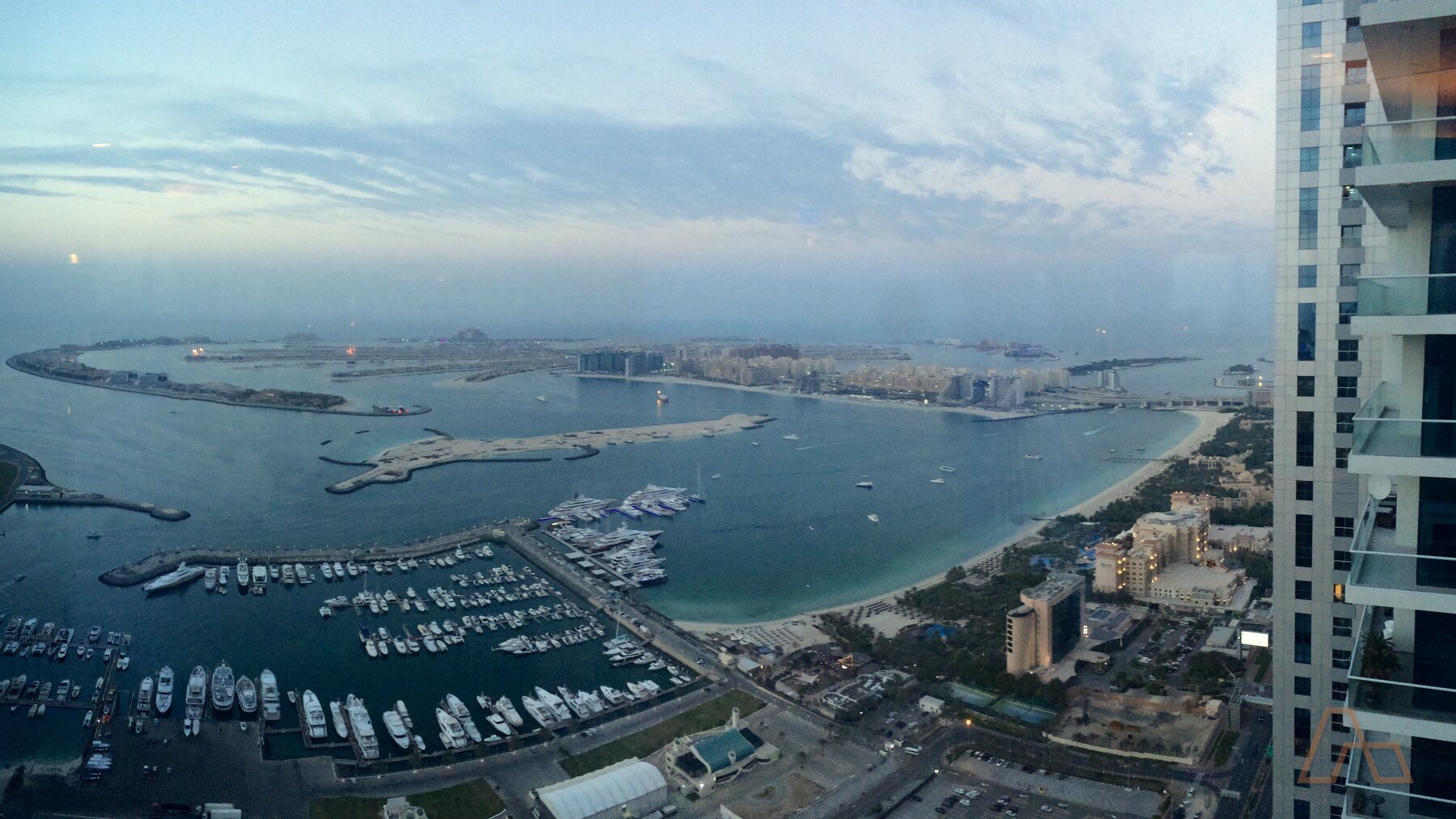
Cushman and Wakefield Core has reported that higher floors in tall Dubai Marina towers command a premium of more than 20 to 30 per cent in both the rental and sales markets, and attributed it principally to sea views rather than height alone. Market commentary has put the uplift for a front-row sea view at 15 to 25 per cent over partial or non-sea-facing units in the same tower, and earlier studies of Palm Jumeirah and The Hills found view premiums of a similar order for sea and golf-course outlooks.
Treat those as ranges, not rules. The premium in any given building is something to measure, not assume.
The Premium Is for the View, Not the Height
The finding worth holding on to is the attribution. Tenants and buyers pay for what they can see. Height matters mainly because it is what usually buys the view, by clearing the neighbouring buildings.
That has a practical consequence. A high floor that looks straight into the tower next door is not worth a high-floor premium. A mid-floor apartment facing open water may be worth more than a higher one facing a car park. When comparing units, compare outlook first and floor number second.
Height Is Permanent, a View Is Not
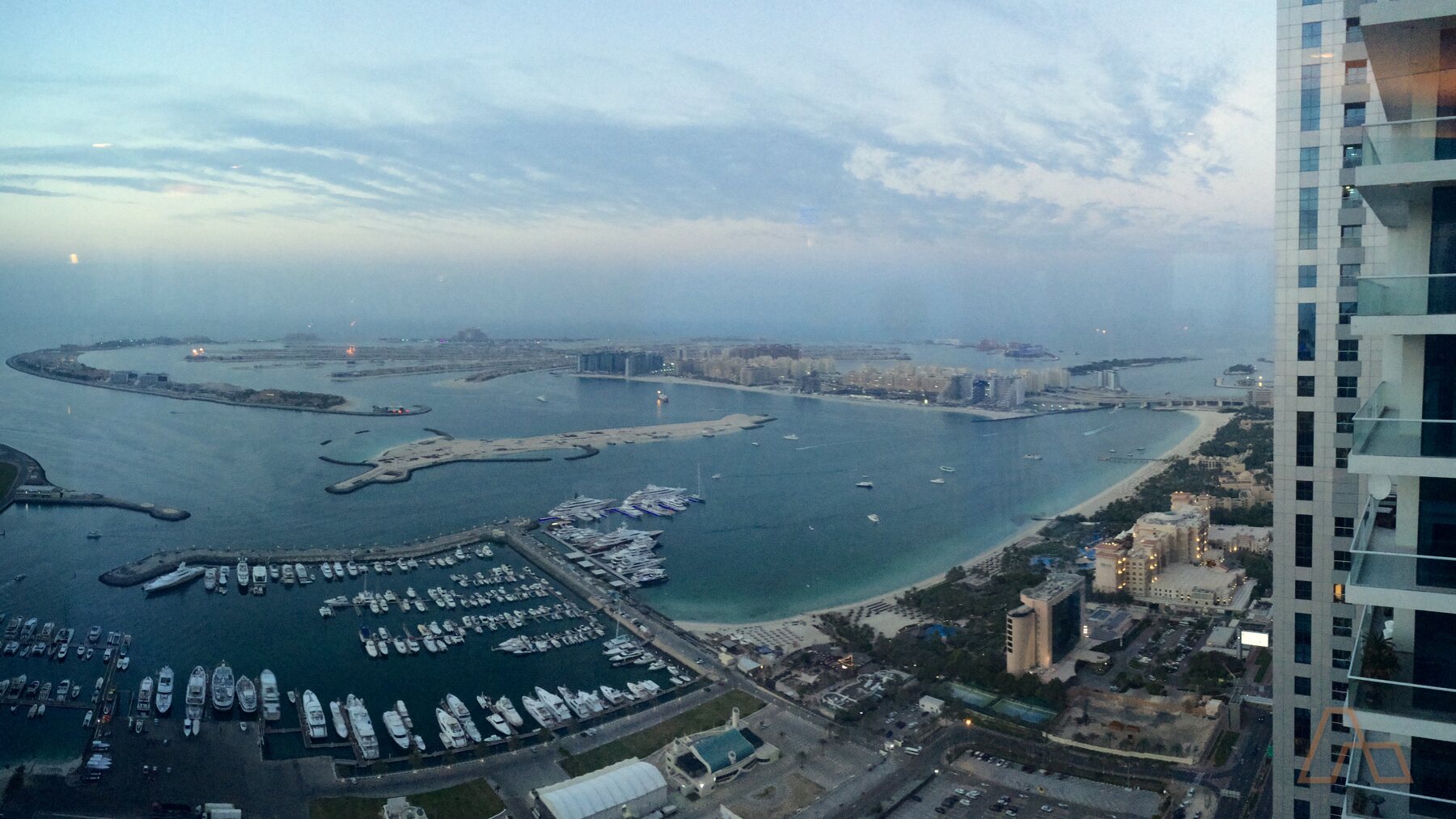
Here is the point most buyers miss. Dubai has no general legal right to a view. The floor you buy will always be the floor you own, but the open sea, golf course or skyline in front of it is only as permanent as the land between you and it.
An empty plot, a low-rise building on a plot zoned for much more, or a car park in front of a "sea view" is a future building until proven otherwise. The views that last are the ones protected by geography: open water, a beach, a golf course or park that is part of a master plan, or a plot already built out to its permitted height.
Before paying a view premium, find out what is in front of the unit and what it can become.
- Identify the plots between the apartment and the view, using the community map or a site plan.
- Ask what each plot is zoned for and how many floors it is permitted, through the master developer or the relevant planning authority.
- Look for construction hoardings and launch announcements for those plots, and search for projects already registered there.
- Ask the developer or agent in writing whether the view is protected, and treat a verbal assurance as worth nothing.
A premium paid for an unprotected view is a bet that nothing will be built. Sometimes it pays off. It should be priced as a bet.
What the Premium Does to Yield
For an investor the useful question is not whether the view adds value but whether tenants pay for it in the same proportion buyers do.
Compare the two premiums separately in the same building. If high-floor, sea-view units sell for 25 per cent more but rent for only 15 per cent more, the investor is paying for a view the tenant only partly pays for, and the yield on the premium unit is lower. If the rent premium matches the price premium, the yield is unchanged and the premium unit offers something else: usually faster letting and a deeper pool of resale buyers.
Remember too that the service charge is struck per square foot of the unit, not by floor. A premium unit pays the same rate as one on the third floor, so the cost of ownership does not rise with the view, and on a higher rent the service charge takes a smaller share of it.
When the Low Floor Is the Better Buy
The low floor has real advantages, and some buyers should take them.
- Lift access. In a tall tower, waiting times at peak hours are noticeably shorter for the lower floors, and evacuation is simpler.
- Garden and terrace units on podium levels can offer outdoor space no high floor has.
- Price. For an owner-occupier who will spend the day out, the view premium is an expensive feature for evenings.
- Yield. Where the rent premium is smaller than the price premium, the lower unit is the better income asset.
The trade-offs are noise from the street or the pool deck, less privacy, more dust and less light. Visit at the time of day you would actually use the apartment.
How to Price It Properly
The only reliable measure of a premium is the building's own transaction record. Take registered sales in the same tower from the last six to twelve months, per square foot, and sort them by floor and by orientation. A pattern usually appears quickly, and it is often smaller than the asking-price gap suggests.
Do the same for rents through the building's registered tenancies or current lettings. Then you can answer the two questions that matter: what the building's buyers actually pay for the view, and what its tenants pay for it.
The Short Version
- Published research puts high-floor premiums in tall Dubai Marina towers at 20 to 30 per cent, and front-row sea views at 15 to 25 per cent over non-sea units in the same tower.
- The premium is for the view, not the height. A high floor facing another tower is not worth a high-floor premium.
- Dubai has no general legal right to a view. Check what the plots in front are zoned for before paying for an outlook.
- Durable views face open water, beaches, master-planned parks and golf courses, or plots already built out.
- Compare price and rent premiums separately. Where buyers pay more for the view than tenants do, the premium unit yields less.
- Service charges are per square foot, not by floor, so a view does not raise the cost of ownership.
- Measure the premium from the building's registered sales and rents, sorted by floor and orientation, not from the price list.
Frequently Asked Questions
01How much more do high-floor apartments cost in Dubai?
There is no single published figure, but the research points to substantial premiums in towers with views. Cushman and Wakefield Core has reported that higher floors in tall Dubai Marina towers command a premium of more than 20 to 30 per cent in both the rental and sales markets, mainly because of sea views, and market commentary puts front-row sea views at 15 to 25 per cent above partial or non-sea-facing units in the same tower. The premium in any specific building should be measured from its own registered sales, sorted by floor and orientation.
02Is a sea view in Dubai protected from future construction?
Not by default. Dubai has no general legal right to a view, so the open outlook in front of an apartment lasts only as long as the land in between stays undeveloped. Before paying a view premium, identify the plots between the unit and the view, ask the master developer or planning authority what each is zoned for and how high it may be built, and look for registered or announced projects there. Views across open water, beaches, master-planned parks and golf courses, or plots already built out, are the durable ones.
03Is a high-floor apartment a better investment in Dubai?
Only if tenants pay for the view in the same proportion buyers do. Compare the sale premium and the rent premium in the same building: if sea-view units sell for 25 per cent more but rent for only 15 per cent more, the premium unit yields less. If the rent premium matches, the yield is unchanged and the premium unit usually lets faster and resells to a deeper pool of buyers. Service charges are per square foot rather than by floor, so a view does not raise the running cost.
04What are the advantages of a low-floor apartment in Dubai?
Shorter lift waits at peak times and simpler evacuation in tall towers, podium garden or terrace units with outdoor space, a lower price, and often a better yield where the rent premium for higher floors is smaller than the sale premium. The trade-offs are more street or pool-deck noise, less privacy and less light, so visit at the times of day you would actually be using the apartment.